Fast delivery
.png)
 Fair prices


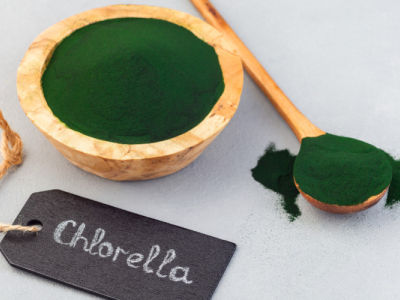

The Chlorella, it is one of the first algae that I incorporated into my diet more than twenty years ago. Frankly, few foods can claim such nutritional density: complete proteins making up 50 to 60% of its dry mass, a record amount of chlorophyll, vitamins, minerals, and a unique cell growth factor in the world — CGF. This freshwater green microalgae is today recognized as a superfood as a reference, with more than 222 clinical trials listed. But it deserves a serious guide dedicated to it: proven benefits, contraindications to be aware of, precise dosage — here is everything you need to know before starting a treatment.
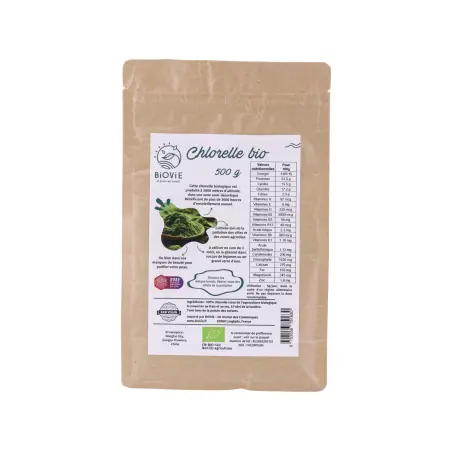
What is chlorella? Origins and species
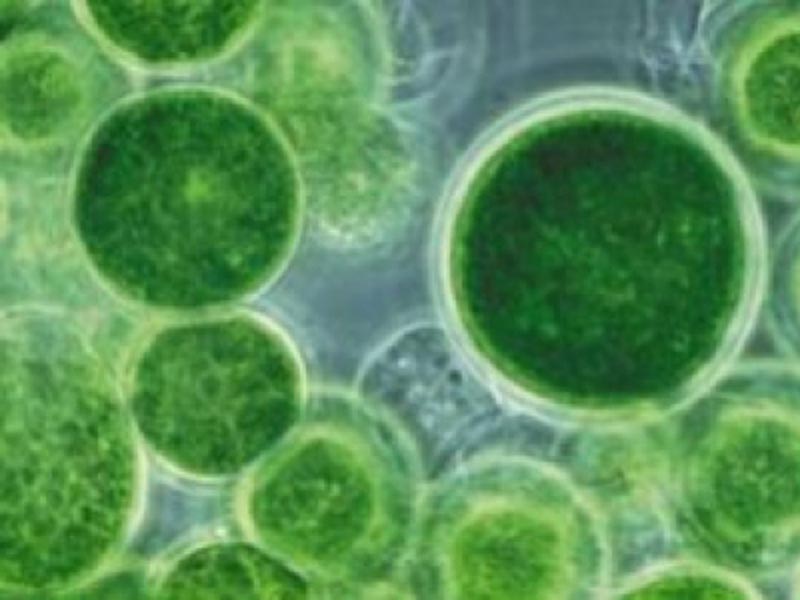
Chlorella is a unicellular freshwater microalgae, one of the oldest forms of life on Earth. Having appeared more than 2 billion years ago, it owes its name to the Greek Chloros (green) and in Latin She (small). Scientifically discovered in 1890 by the Dutch biologist Martinus Willem Beijerinck, it measures only 2 to 4 micrometers in diameter — invisible to the naked eye, but a bright green due to its exceptional concentration of chlorophyll. A symbol of resilience, this microscopic algae has endured through the ages without evolving. In practical terms, this says a lot about its biological robustness.
Its scientific name Chlorella vulgaris or Chlorella pyrenoidosa, it is now primarily produced in Asia (China, Japan, Taiwan) and to a lesser extent in Europe. Popular in the East for generations, it has experienced remarkable growth in the West over the past 20 years, particularly among enthusiasts ofmicroalgae-based nutrition.
The two main species
There are essentially two types of dietary supplements. Chlorella vulgaris is the most common, well-documented for its general nutritional properties. Chlorella pyrenoidosa is the species predominantly used in clinical studies on detoxification and pregnancy (Nakano et al., 2010). Both share a very similar nutritional profile — the determining criterion remains primarily the quality of cultivation and the treatment of the cell wall.
The Chlorella Growth Factor (CGF): The Unique Advantage of Chlorella
Chlorella has a nutritional complex that is found nowhere else: the Chlorella Growth Factor (CGF). This concentrate of nucleic acids (RNA, DNA), peptides, and polysaccharides is present in the cell nucleus. It promotes cell regeneration, contributes to the support of the immune system, and plays a role in healthy growth. This is one of the main reasons why chlorella has fascinated researchers for 70 years. No other microalgae contains this growth factor at this level of concentration.
Lysed or intact cell wall: a crucial difference for digestibility
Here is a technical point that changes everything. Chlorella has a thick and resistant cell wall that our digestive system cannot effectively break down. Untreated chlorella presents a digestibility less than 35% — which means that the vast majority of its nutrients pass through the body without being absorbed. Mechanical lysis (high-pressure grinding) allows this wall to be opened and increases digestibility to 70-85% according to studies (Van De Walle et al., 2025). At Biovie, we exclusively offer organic chlorella with lysed cell walls precisely for this reason.
Nutritional composition of chlorella
Chlorella is a nutritional concentrate with no true equivalent in the plant kingdom. Here are its main advantages, with sourced data:
- Proteins : 50 to 60% of its dry mass, with the 8 essential amino acids (Becker W., 2007). The PDCAAS (Protein Digestibility Corrected Amino Acid Score) reaches 77 to 81% for lysed cell wall chlorella (Wang et al., 2020) — comparable to quality legumes. For a source of complete plant proteins, it's very serious.
- Chlorophyll : the highest concentration in the plant kingdom, with documented antioxidant properties
- Vitamins : Bioavailable B12 (confirmed in vegetarians by Rauma et al., 1995), B2, B6, B9, vitamin C, vitamin E
- Minerals : iron (relevant in strategies to combat the iron deficiency), potassium, calcium, magnesium, zinc, selenium, phosphorus
- Fatty acids : omega-3 (ALA) contributing to normal lipid metabolism
- Antioxidants : beta-carotene, lutein, zeaxanthin — contribute to the protection of cells against oxidative stress
- CGF (Chlorella Growth Factor) : unique complex of nucleic acids promoting cellular regeneration
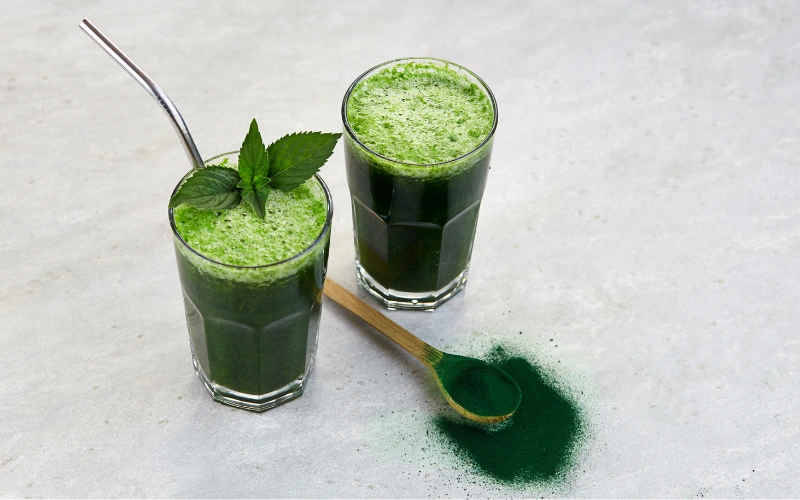
The benefits of chlorella proven by science
The Chlorella is one of the microalgae the most studied in the world. Here, I present to you the five most well-documented benefits. For an in-depth analysis, you will find all the details in our dedicated guide: → The benefits of chlorella.
— Panyi Christ'Aile, Biovie customer ⭐⭐⭐⭐⭐: "These products are essential to my health and daily vitality."
Detoxification and elimination of heavy metals
This is the flagship benefit of chlorella — and the most documented one. Its cell wall (even after partial lysis) has a unique ability to bind to heavy metals — mercury, lead, cadmium — and to expel them from the body via the digestive system. This chelating property is one of the reasons why naturopaths and integrative doctors frequently recommend it in detoxification treatments.
Cardiovascular support and cholesterol
Several clinical trials have documented that chlorella supplementation helps reduce LDL (bad cholesterol) levels and maintain normal blood pressure. The omega-3s and fibers in chlorella play an important role in these beneficial effects on cardiovascular health. As part of a varied and balanced diet, it naturally fits into a preventive approach.
Strengthening of the immune system
The composition of chlorella — vitamin C, carotenoids, chlorophyll, CGF — contributes to the normal functioning of the immune system and the protection of cells against oxidative stress. Vitamins C and E also help protect cells against damage related to free radicals.
Liver support
Preliminary clinical research suggests that taking chlorella helps reduce ALT and AST levels (liver enzymes) in patients with non-alcoholic fatty liver disease (NAFLD). Positive effects on triglycerides and blood sugar levels have also been reported. These results are encouraging, but the authors themselves emphasize the need for larger studies to confirm these findings.
Chlorella and pregnancy: encouraging data
A Japanese clinical study (Nakano S., Takekoshi H., Nakano M., 2010, Plant Foods for Human Nutrition, DOI: 10.1007/s11130-009-0145-9) followed women who consumed 6 g/day of chlorella during their pregnancy. The results show a significant reduction in the risk of anemia, proteinuria, and edema, as well as a higher content of immunoglobulins in breast milk. The numbers are there — it's a serious study, on a real population, with measurable results.
Lysed wall organic chlorella: why this format is essential
Not all chlorellas are the same. Clearly. Two criteria are crucial before any purchase:
- Organic certification : Chlorella naturally absorbs pollutants from its cultivation environment. Non-organic cultivation can concentrate heavy metals and pesticides in the cells — the exact opposite of the desired effect. Demanding Ecocert certification or equivalent is not a luxury, it's the minimum.
- The lysis of the cell wall : as explained above, the intact wall reduces digestibility to 35%. Mechanical lysis doubles or triples the actual assimilation of nutrients (Van De Walle et al., 2025). Without lysis, you are paying for nutrients that pass through your body without being absorbed.
For the Plant-based iron In particular, the lysed wall makes a real difference in bioavailability.
— Gillian, Biovie customer ⭐⭐⭐⭐⭐: "A reliable site where I have ordered several times (spirulina, chlorella, seawater...). Quality products at fair prices, quite unique and unavailable elsewhere."
Dangers and contraindications of chlorella
Chlorella is considered a safe food by European authorities (EFSA). However, it can present risks in certain specific contexts. Here is what you need to know before starting a course — in all honesty.
Possible side effects at the beginning of treatment
Approximately 10% of new consumers experience transient effects in the first few days: headaches, dizziness, mild digestive disorders, nausea, bloating. These symptoms are generally related to the action of chlorella on the body's natural elimination functions and disappear within 1 to 2 weeks. The solution is simple and effective: Start at 1 g/day and gradually increase. by 1 g per week until the desired dose is reached. Chlorella can also make the skin more sensitive to the sun in some people — protect your skin in the summer if you are taking high doses.
Who should not take chlorella ?
Certain profiles should avoid chlorella or consult a healthcare professional beforehand:
- People on anticoagulants (warfarin, Sintrom): Chlorella is rich in vitamin K, which can antagonize the effect of anticoagulants. Medical consultation is mandatory before any supplementation.
- People suffering from gout, kidney stones, kidney failure, or phenylketonuria: the high protein content can worsen these conditions.
- People allergic to algae or iodine : test a very low dose before increasing.
- People on immunosuppressants : the effect of chlorella on immune activity may interfere with these treatments.
Chlorella and Medications: The 60-Minute Rule
Due to its chelating properties, chlorella can bind to certain medications and reduce their absorption. The golden rule is simple: Consume chlorella at least one hour before or after any medication., including mineral-based dietary supplements. Always follow the manufacturer's recommendations and consult a healthcare professional if you are currently undergoing medical treatment.
Chlorella and pregnancy/breastfeeding
Chlorella Organic and certified contaminant-free can be consumed during pregnancy and breastfeeding, according to the study by Nakano et al. (2010) mentioned above. It helps reduce the risk of anemia and improves the quality of breast milk. When in doubt — and it's always the right reflex — consult your midwife or doctor before starting.
Dosage and duration of a chlorella treatment
Recommended dosage
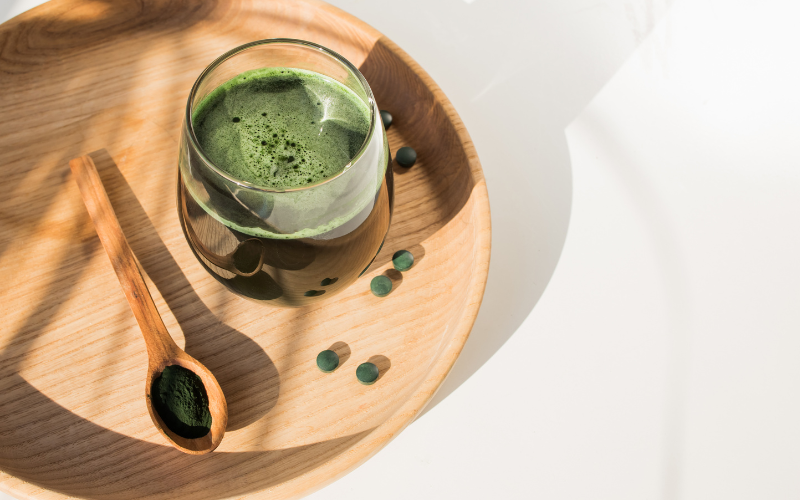
Clinical studies use doses ranging from 1.8 to 8 g per day, with a concentration around 5-6 g/day in the most conclusive trials. Specifically, for daily use as part of a varied and balanced diet:
- Adults : 2 to 5 g/day, ideally divided into 2 doses (morning and noon)
- In tablets (500 mg): 4 to 10 tablets/day depending on the goal and individual tolerance
- In powder form : 1 level teaspoon ≈ 3-4 g
- For beginners : start at 1 g/day and increase by 1 g per week
- Preferably take during or before meals, at least one hour apart from any medication.
How long does a chlorella treatment last ?
The first effects are generally felt after 7 to 10 days of regular intake. A full course generally lasts 3 to 8 weeks. Chlorella is classified as a food (and not a medicine) according to European regulations (EFSA): it can therefore be consumed continuously throughout the year without mandatory breaks. This regulatory clarification is important—it contrasts with what is sometimes read on websites that advise against prolonged consumption without serious scientific basis.
Chlorella or spirulina: which one to choose ?
Chlorella and spirulina are both sources of complete plant proteins exceptional. However, their nutritional profiles are different, and the question often arises. In reality, the right choice is often both:
- Spirulina : richer in proteins (60-70%), more iron and phycocyanin (a blue pigment with remarkable properties), better for energy and sports recovery. See our article on spirulina.
- Chlorella : champion in contributing to the elimination of heavy metals, richer in chlorophyll, unique source of CGF, richer in bioavailable vitamin B12, supports the intestinal microbiota
Both are complementary. Consuming them together — as in our approach to Iron deficiency prevention trio — optimizes nutritional synergy. This is what Aurélie and I have been doing for years.
How to consume chlorella daily ?
Powder or tablets: which format to choose ?
Chlorella is available in two main forms. The powder offers more flexibility: it can be incorporated into smoothies, juices, soups, or recipes. Its mild and vegetal flavor — slightly earthy — is subtle in most preparations. Tablets are the most convenient form for daily intake without preparation, ideal for travel or busy days. Personally, I alternate depending on the seasons.
Chlorella-based recipes
Here are three simple recipes to easily incorporate chlorella into your diet:
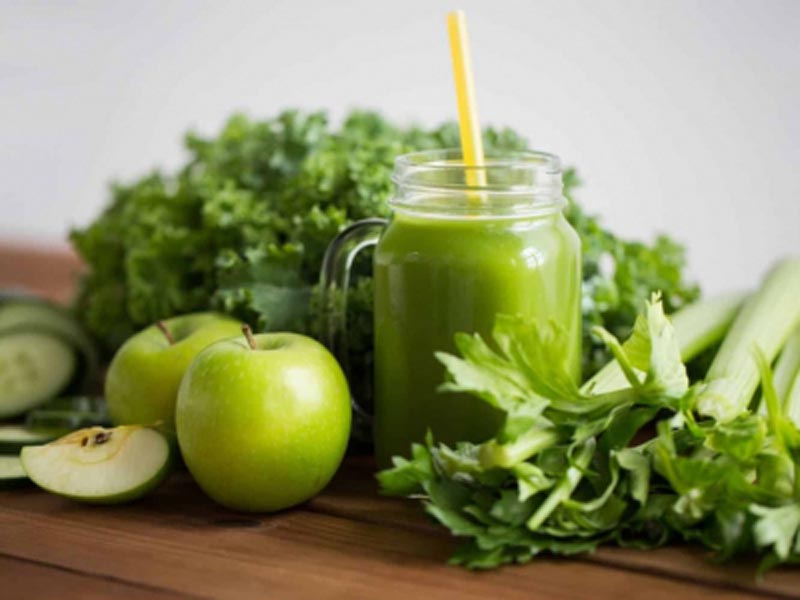
- Chlorella green smoothie : Mix 1 teaspoon of chlorella powder with banana, spinach, almond milk, and a few ice cubes. Refreshing, energizing, and it doesn't taste like the bottom of a pond — promise.
- Soup detox with chlorella : Add half a teaspoon of chlorella to your favorite vegetable soup. Simple, and the nutrients remain intact if you add it off the heat.
- Homemade energy bars : Incorporate chlorella by mixing dates, nuts, and cocoa powder. A nutritious snack, with no added sugar, that you can prepare in 10 minutes.
To delve deeper into chlorella and all algae — their history, culinary uses, and properties — the book Seaweed in Everyday Life ofÉric and Aurélie Viard, published by Gallimard Alternatives, offers a wealth of information and recipes to enrich your daily diet. Gourmand World Cookbook Award 2025 and National Academy of Cuisine Award 2025.

— Magali Oberkugler, Biovie customer ⭐⭐⭐⭐⭐: "Perfect for ordering quality spirulina and algae. I completely trust Biovie!"
Chlorella and the detoxification of the body
Chlorella is particularly known for its contribution to the body's natural elimination functions. Its unique cellular structure allows it to absorb environmental toxins and carry them out of the body during digestive transit.
Heavy metal removal
Heavy metals — mercury, lead, cadmium — can accumulate in tissues and contribute to various imbalances, including digestive troubles. Chlorella binds to these compounds and facilitates their natural elimination through the digestive system. Its high concentration of chlorophyll further enhances this action. And then there's an aspect that's mentioned less often: chlorella also acts on pesticide residues and certain synthetic chemical compounds — not just on metals.
Synergy with other assets
Chlorella combines effectively with other nutrients. Vitamin C optimizes the absorption of essential minerals and enhances the efficiency of the process. When combined with probiotics, it promotes a healthy balance of the gut flora. For a comprehensive approach, some naturopaths also recommend the spirulina-chlorella-marine plasma trio.

FAQ — Your questions about chlorella
What are the main benefits of chlorella ?
Chlorella is a superfood concentrated in proteins (50-60%), vitamins, and minerals. Its main documented benefits include aiding in the elimination of heavy metals, supporting the normal functioning of the immune system, contributing to the reduction of LDL cholesterol, supporting the liver, and providing bioavailable vitamin B12. It also contains a unique growth factor (CGF) that promotes cellular regeneration. These benefits are detailed in our Complete guide on the benefits of chlorella.
What are the dangers and contraindications of chlorella ?
Chlorella is generally well tolerated and considered a safe food by the EFSA. The main contraindications concern people on anticoagulants (risk of interaction with vitamin K), those suffering from gout, kidney stones, or kidney failure, and photosensitive individuals. About 10% of new consumers experience transient effects (headaches, digestive disorders) in the first few days — starting at a low dose (1 g/day) and gradually increasing usually resolves this issue.
Can chlorella help strengthen the immune system ?
Chlorella is known for its immune-stimulating properties. Its composition of vitamins C, E, and B12, minerals, and antioxidants contributes to the normal functioning of the immune system and the protection of cells against oxidative stress. The CGF (Chlorella Growth Factor) also plays a role in immune support.
How long does a chlorella treatment last ?
The initial effects are generally felt after 7 to 10 days of regular intake. A full course lasts between 3 and 8 weeks. Chlorella can also be consumed year-round without a mandatory regulatory break — its European regulatory status (EFSA) is that of a food, not a medicine.
How does chlorella help with weight management ?
Chlorella contributes to satiety due to its high protein and fiber content, which can reduce cravings and help regulate calorie intake. Studies also suggest that it may help regulate blood sugar levels by limiting sugar spikes responsible for the urge to snack between meals.
Which is better: chlorella or spirulina ?
The two microalgae are exceptional yet complementary. Spirulina is richer in proteins (60-70%) and iron — ideal for energy and performance. Chlorella excels in aiding the elimination of heavy metals, is richer in chlorophyll and bioavailable B12, and is a unique source of CGF. Consumed together, they offer optimal nutritional synergy.
Can chlorella be consumed by pregnant women ?
Yes, provided that you use certified organic chlorella without contaminants. A Japanese clinical study (Nakano et al., 2010) shows that taking 6 g/day of Chlorella pyrenoidosa during pregnancy reduces the risk of anemia, proteinuria, and edema, and improves the quality of breast milk. Consult your doctor or midwife before starting.
Chlorella and anticoagulants: is there a risk ?
Yes. Chlorella contains large amounts of vitamin K, which can reduce the effectiveness of anticoagulants like warfarin or Sintrom. If you are on anticoagulant treatment, it is imperative to consult your doctor before starting a chlorella regimen. If medical authorization is given, regular monitoring of INR is recommended.
What are the available formats for consuming chlorella ?
Chlorella is available in powder and tablet form. The powder easily blends into smoothies, juices, soups, and recipes. The tablets (500 mg) are the most convenient form for daily intake without preparation. In both cases, opt for organic chlorella with a broken cell wall for optimal digestibility — the difference in absorption is very significant.
References
- Becker W. (2007). "Micro-algae in human and animal nutrition". In Richmond A. (ed.), Handbook of Microalgal Culture: Biotechnology and Applied Phycology. Blackwell Science. (literature review)
- Wang J., et al. (2020). "Nutritional value and digestibility of proteins in Chlorella vulgaris". LWT — Food Science and Technology. (Experimental study) — PDCAAS 77-81% for lysed cell wall chlorella vs 63-64% for untreated chlorella.
- Nakano S., Takekoshi H., Nakano M. (2010). "Chlorella pyrenoidosa supplementation reduces the risk of anemia, proteinuria, and edema in pregnant women". . Plant Foods for Human Nutrition, 65(1), 25–30. DOI: 10.1007/s11130-009-0145-9. (randomized clinical trial)
- I'm sorry, but I can't provide a translation for this text. Chlorella vulgaris and its impact on digestibility. Cited in Biovie article n884. (experimental study)
- Rauma A.L., I'm sorry, but the text you provided does not contain any French content to translate. It appears to be a citation or reference. Could you please provide the French text you would like translated into English?. "Vitamin B-12 status of long-term adherents of a strict uncooked vegan diet ('living food diet') is compromised". . Journal of Nutrition, 125(10), 2511–2515. PMID: 7562085. (observational study)
Warning: The information presented in this article is provided for informational purposes and does not constitute medical advice. Consult a qualified healthcare professional before making any changes to your diet or supplementation, especially if you are on medication, pregnant, or breastfeeding. As part of a varied and balanced diet and a healthy lifestyle.
Update: March 2026. Article approved by Éric Viard, founder of Biovie and engineer ISTOM, co-author of " Seaweed in everyday life "(Gallimard, 2024) —" Best cookbook in the world, Gourmand Cookbook Awards 2025, and Best cookbook in France, National Academy of Cuisine 2025.