Raw organic cocoa powder: composition, dosage, and recipes
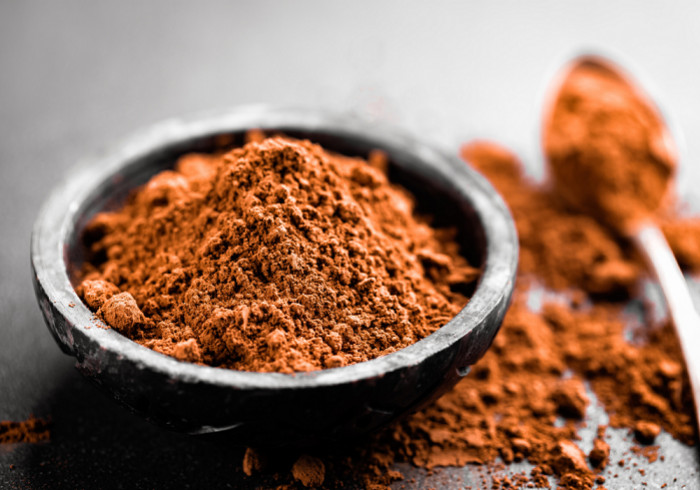
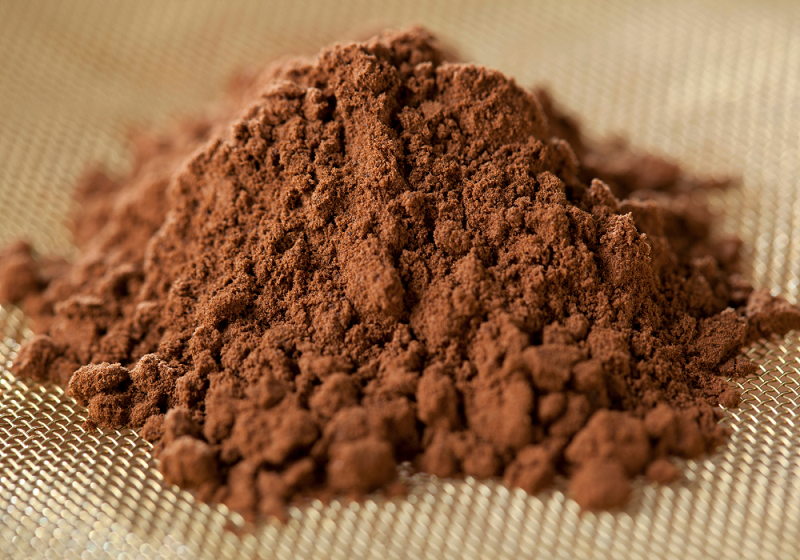
The raw cacao powder is, frankly, much more than a cooking ingredient: it is an ingredient whose appeal lies in one specific thing - it has never been roasted. Not heated beyond 42°C, the raw cacao powder retains its flavanols - primarily epicatechin and catechin - these compounds that largely disappear as soon as the bean is exposed to temperatures above 150°C. You can make it at home by mixing some raw cacao nibs or by grating some raw cacao paste. At Biovie, we offer a powder of Organic raw cacao Nacional variety, cold-pressed to preserve all of its nutrients - the one Aurélie and I have been using daily for years.
In this article, I present the composition of raw cocoa powder, the concrete difference with conventional cocoa, the recommended dosage, contraindications to be aware of - and of course, two simple recipes to incorporate it into daily life.
Raw cacao powder vs conventional cacao: what's the difference ?
The distinction is fundamental, and it hinges on a single factor: the processing temperature. Conventional cocoa undergoes a roasting phase at over 150°C. The result? A large portion of the flavanols - these compounds that make up the core of cocoa's nutritional interest - is destroyed. A review published in 2023 on PubMed Central (PMC10376846) confirms that industrial processes significantly reduce the concentration of flavanol monomers, which naturally range between 460 and 610 mg/kg in the raw bean.
The unroasted cacao, it is dried and processed at less than 42°C. Its polyphenols remain intact, as do its enzymes. And it's not just a matter of nutrients: the taste is different. More bitter, more fruity, more complex - as if one were eating the real bean of Theobroma cacao rather than an impoverished version. The classic cocoa powders from the supermarket? Generally less than 30% cocoa, with added sugar and fats to compensate for what was lost during roasting.
What does raw cocoa powder contain ?
Here is what raw cacao powder contains, detailed below. Also discover our article dedicated to raw cacao to go further.
Preserved flavanols. Cocoa flavanols, epicatechin and catechin at the forefront, are better preserved when the bean is not roasted.
Minerals. Cocoa powder contains magnesium, iron and potassium, whose contents are given in the table above. For precise nutritional values (they vary depending on the varieties), consult the Ciqual table of ANSES. I always prefer to refer to official sources rather than provide figures that might be approximate.
Biovie raw cacao comes from Ecuador, Nacional variety, bought directly from a cooperative under the SPP label (Symbol of Peasant Producers), with partner Rrraw Cacao Factory. Unlike conventional cacao, it is never roasted: the beans ferment, then dry in the sun at under 42 °C, which preserves its nutrients better than high-temperature roasting. It comes as whole beans, cacao nibs, powder or melting paste. To get started, try the nibs, which are easy to add to a yogurt or smoothie without any preparation., 11
products
Contraindications and side effects of raw cocoa powder
I often hear the question "raw cacao danger" - and it is legitimate. Cacao contains stimulants, which implies some precautions. Nothing alarming, but it's best to be precise.
The two compounds to monitor are the Theobromine (present at about 2-3% in raw cocoa powder) and the caffeine (~0.2%). These are natural stimulants. In excessive consumption, they can cause:
Nervousness or irritability in people sensitive to stimulants
Insomnia if consumed in the evening
Palpitations in case of significant overconsumption
A slight interaction with anticoagulant treatments (ask your doctor's advice)
Populations to monitor: Pregnant and breastfeeding women should consult their doctor before increasing their consumption. Children should have a dose adjusted to their weight. People who are very sensitive to caffeine or stimulants should limit their intake - and in this case, avoid consuming it in the evening.
On the other hand, in moderate consumption - that is 5 to 10 g per day (1 to 2 tablespoons) - Raw cocoa powder is generally well tolerated by healthy adults. It's the same logic as with any food: it's the dose that makes the difference.
How much raw cocoa powder per day ?
The dose I recommend, and that Aurélie and I apply daily: 1 to 2 tablespoons per day, or approximately 5 to 10 g raw cocoa powder. This range allows for a significant intake of flavanols without exceeding reasonable thresholds of theobromine or caffeine.
Some benchmarks according to your goal:
For regular consumption: 10 g per day at most, integrated into a smoothie or a morning hot chocolate.
For a hot drink upon waking: 5 to 7 g, possibly on an empty stomach.
For everyday taste pleasure : 1 teaspoon in a coconut yogurt, a porridge, or sprinkled on a fruit - simple and effective.
Regarding the best time to consume raw cocoa powder : the morning is the time I prefer: theobromine is a milder stimulant than caffeine. In the evening, however, I advise against it for people sensitive to stimulants - to avoid disrupting sleep.
Moderation remains the basic principle. Raw cocoa is part of a varied and balanced diet - it does not replace other important nutritional sources, it complements them.
How to consume raw cocoa powder daily ?
Here is what I really appreciate about the raw cacao powder : its versatility. Not heated to high temperatures, its nutritional values remain intact - and its intense, slightly bitter taste can adapt to a surprising number of preparations.
Some uses that we practice at home, or that our customers highly recommend:
Hot drinks : a raw hot chocolate without sugar - just raw cocoa powder mixed with warm plant-based milk (not boiling). Simple, effective.
Smoothies : it brings a chocolatey depth without added sugar. A teaspoon in a banana-almond milk smoothie, and the result is truly impressive.
Desserts : cakes, brownies, puddings, energy balls - the base of all homemade chocolate pastries.
Breakfast : sprinkled on fresh fruits, a coconut yogurt, or porridge.
Savory dishes : In South America, cocoa is used as a spice. In marinades and sauces, a pinch adds an unexpected aromatic complexity.
The natural fats in cocoa also deserve a mention. They come from the beans and are mainly composed of oleic acid - the same as in olive oil - and stearic acid.
In summary: raw cocoa powder is a tasty, incredibly versatile powder with no added sugar, unlike many sweetened commercial powders. For discover all the ways to consume raw cacao, consult our comprehensive guide.
"I am a fan of tiger nuts, freeze-dried fruits, of" raw cacao and marine plasma. Thanks to Biovie, eating well doesn't cost more."
- JAEGLE, Biovie client ⭐⭐⭐⭐⭐ (Trustpilot)
"The cocoa beans, a real delight, I love it... Biovie is for life!"
- Meriem Lilya, Biovie customer ⭐⭐⭐⭐⭐ (Google)
Beans, nibs, paste: the other forms of raw cacao
The powder is only one of the forms in which the bean reaches your kitchen. Three other presentations exist, and each has its own use - mixing them up means missing out on what they each do best.
Whole beans: for snacking
The raw cacao beans are eaten as they are, the way you would snack on almonds. Five to ten beans a day are more than enough, as a snack or after a meal: the bitterness is pronounced, the theobromine clearly present, and you quickly understand why it is best not to overdo it in the evening.
Nibs: crunchy little pieces
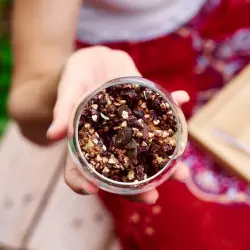
The raw cacao nibs are simply the shelled bean, crushed into small pieces. They can be eaten straight from the bag, sprinkled over a plant-based yoghurt, a bowl or a fruit salad, and they make a good substitute for chocolate chips in baking. Try them in a savoury dish too: on hummus or a roasted vegetable, they bring a roasted bitterness that surprises pleasantly.
Cacao paste: the bar you cook with
The raw cacao paste is used like an unsweetened dark chocolate bar: melted over a very gentle bain-marie for a mousse or a cream, or grated directly over a dessert. It is also the form chosen for cacao ceremonies, where the whole bean is sought after rather than the defatted powder.
Our beans, nibs and powder all come from the Nacional variety, a fine cacao whose aroma stays subtle because it has never been roasted at high temperature. As part of a varied and balanced diet and a healthy lifestyle, alternating between these forms is the best way not to grow tired of raw cacao.
Our recipe ideas for using cocoa powder
Here are two simple recipes that I love - they are ready in less than 15 minutes and are a hit with both children and adults. And to go even further, also discover our Raw Cacao Brownie Recipe or our raw coconut-cocoa yogurt - two classics of the house.
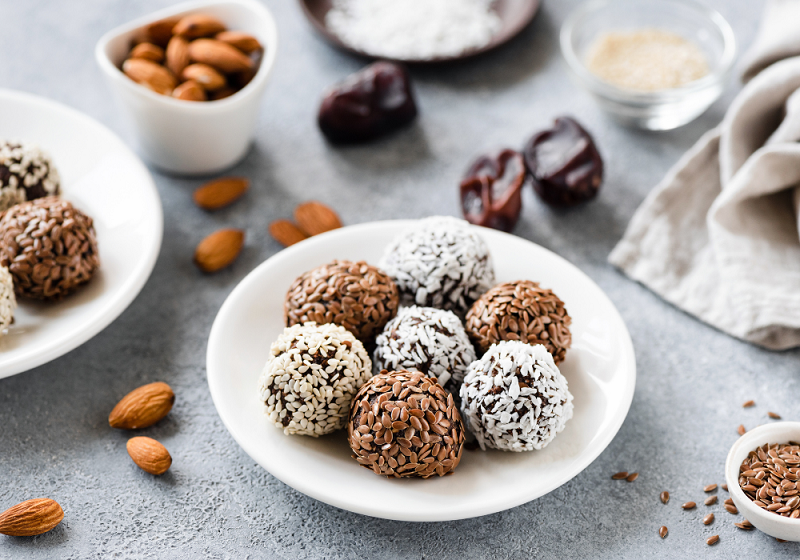
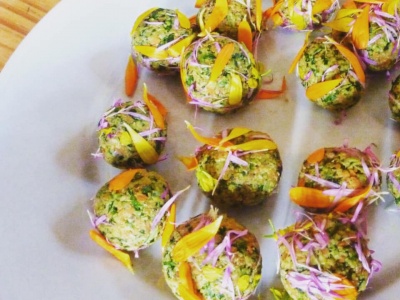
1- Raw cacao energy balls:
Ingredients:
1 cup of pitted dates
1 cup of almonds or cashew nuts (or a mix of both)
2 tablespoons of raw cocoa powder
1 tablespoon of coconut oil
A pinch of salt
Optional: Shredded coconut, chia seeds, or chocolate chips for coating
Instructions:
In a food processor, place the dates, pre-soaked and rinsed almonds or cashews, raw cocoa powder, and salt.
Mix until you obtain a sticky and homogeneous dough. If too dry, add dates; if too wet, add almonds.
Add the coconut oil and mix again.
Form balls by hand and place them on parchment paper.
Roll the balls in shredded coconut, chia seeds, or chocolate chips if desired.
Refrigerate for 30 minutes before enjoying. Bon appétit !
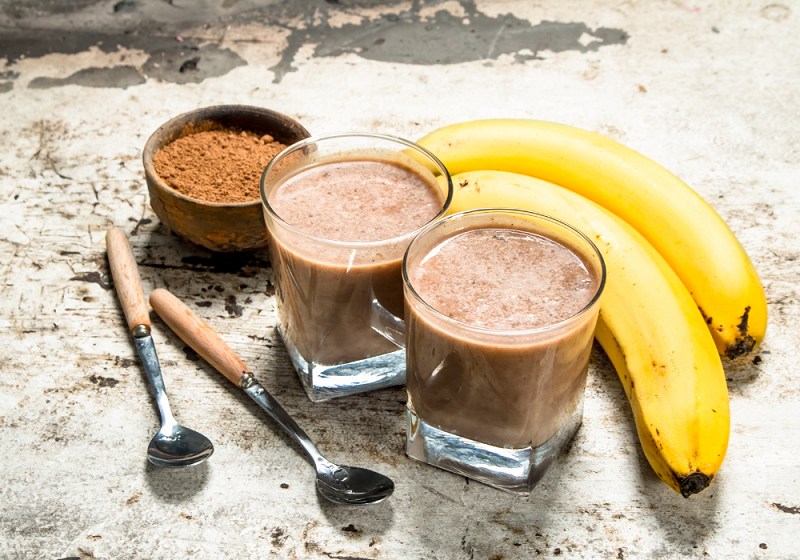
2- Raw cacao smoothie:
Ingredients:
1 ripe banana
3 teaspoons of raw cocoa powder
1 tablespoon of almond butter or peanut butter
1 cup of almond milk (or any other plant-based milk)
Adjust the sweetness with honey or maple syrup if necessary.
Add ice cubes for a cooler smoothie.
Pour into a large glass and sprinkle with raw cocoa powder for decoration. Enjoy !
FAQ: How to consume raw cocoa powder ?
What is raw cacao powder and how to consume it ?
Raw cocoa powder, derived from the Theobroma cacao, is made from unroasted cocoa beans, dried at less than 42°C. This process preserves all of its nutrients and flavanols. To consume it, you can buy it ready-to-use or prepare it yourself from raw cocoa nibs or cocoa paste by grating or blending it. It easily integrates into hot drinks, smoothies, desserts, or savory dishes.
What is the composition of raw cacao powder ?
Raw cocoa powder is a bean dried below 42 °C, with no added sugar, which keeps more flavanols (epicatechin, catechin) than roasted cocoa. Its taste is fruitier and more bitter.
How much raw cocoa should be consumed per day ?
The recommended dose is 1 to 2 tablespoons per day, which is about 5 to 10 g of raw cocoa powder. This amount allows you to benefit from the flavanol content without exceeding reasonable thresholds of theobromine and caffeine. The morning is the ideal time, including on an empty stomach in a hot drink.
What are the dangers and side effects of raw cocoa powder ?
In moderate consumption, raw cocoa powder is well tolerated. In excess, its theobromine content (2-3%) and caffeine (~0.2%) can cause nervousness, irritability, or insomnia in sensitive individuals. Pregnant women, children, and individuals on anticoagulant treatment (ask your doctor's advice) should adjust their consumption by consulting a healthcare professional.
How to use raw cocoa powder in my recipes ?
Raw cacao powder can be incorporated into a wide variety of recipes: sugar-free hot chocolate, smoothies, cakes, brownies, puddings, energy balls, coconut yogurts - and even in marinades or savory sauces. In South America, it is used as a spice. Also to discover: our raw cacao-barley grass brownie recipe and our raw cacao-coconut yogurt on the Biovie blog.
Is raw cocoa powder better than conventional cocoa powder ?
Yes, raw cocoa powder preserves all of its flavanols and nutrients thanks to its low-temperature processing (below 42°C). Conventional cocoa, roasted above 150°C, loses a large portion of its polyphenols. Additionally, commercial powders generally contain less than 30% cocoa, with added sugars and additives-whereas raw cocoa powder is pure and naturally unsweetened.
Are there any contraindications to consuming raw cacao ?
Yes. The main contraindications concern individuals who are very sensitive to caffeine or stimulants (risk of insomnia, palpitations), pregnant and breastfeeding women (consult a doctor), young children (adjust the dose), and people on anticoagulant treatment (ask your doctor's advice). Outside of these profiles, moderate consumption remains risk-free for a healthy adult.
Can raw cocoa be consumed during a diet ?
Raw cocoa powder is naturally unsweetened. Be careful with added sugars or fats, which increase the calorie content of the preparation.
What should you know about raw cocoa powder if you have diabetes ?
Raw cocoa powder is unsweetened. If you have diabetes, talk to your doctor before changing your diet. This does not replace medical supervision.
What is the difference between raw cacao and roasted cacao ?
The main difference is the heat treatment. Roasted cocoa is exposed to temperatures above 150°C during processing, which significantly reduces its content of flavanols and enzymes. Raw cocoa is dried at less than 42°C, thus preserving its flavanols and nutrients. The taste is also different: raw cocoa is more bitter, fruitier, and has more complex aromas.
Warning: The information presented in this article is provided for informational purposes only and does not constitute medical advice. Consult a qualified healthcare professional before making any changes to your diet or supplementation. As part of a varied and balanced diet and a healthy lifestyle.