Fast delivery
.png)
 Fair prices


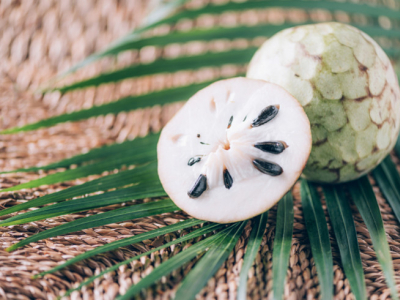

The cherimoya (Annona cherimola) is among the most nutritious fruits in the world—ranked in the top 10 according to an international nutritional reference index, with a score of 96/100. Little known to the general public in France, it truly deserves attention. It is also called chirimoya, cherimole, or custard apple. Originally from the high Andean valleys, it is now cultivated in southern Spain, Portugal, and California. In this article, I explain everything: its real benefits, the precautions to know about its dangers (especially its seeds), and how to enjoy it fully.
Where does cherimoya come from? Origin and etymology
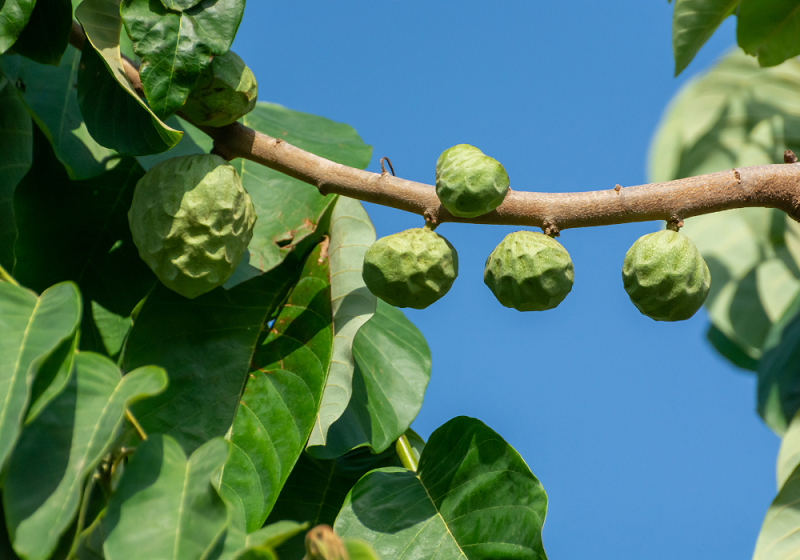
The cherimoya tree is native to the Andes. Its original cradle is located in the high valleys of Bolivia, Ecuador, and northern Peru, between 1,300 and 2,600 meters in altitude. The name comes from Quechua—“chirimuya” literally means “cold seeds”, referring to the ability of its seeds to germinate in the cool conditions of the high Andean altitudes. An etymology that says a lot about the robustness of this tree.
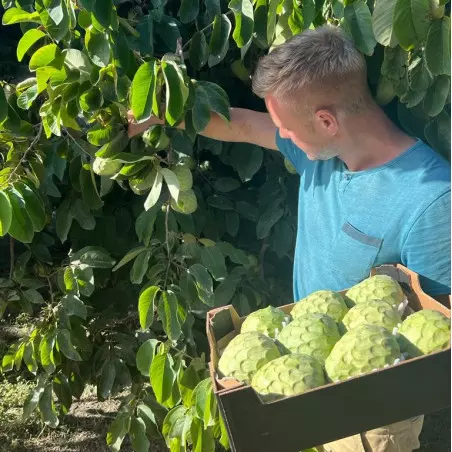
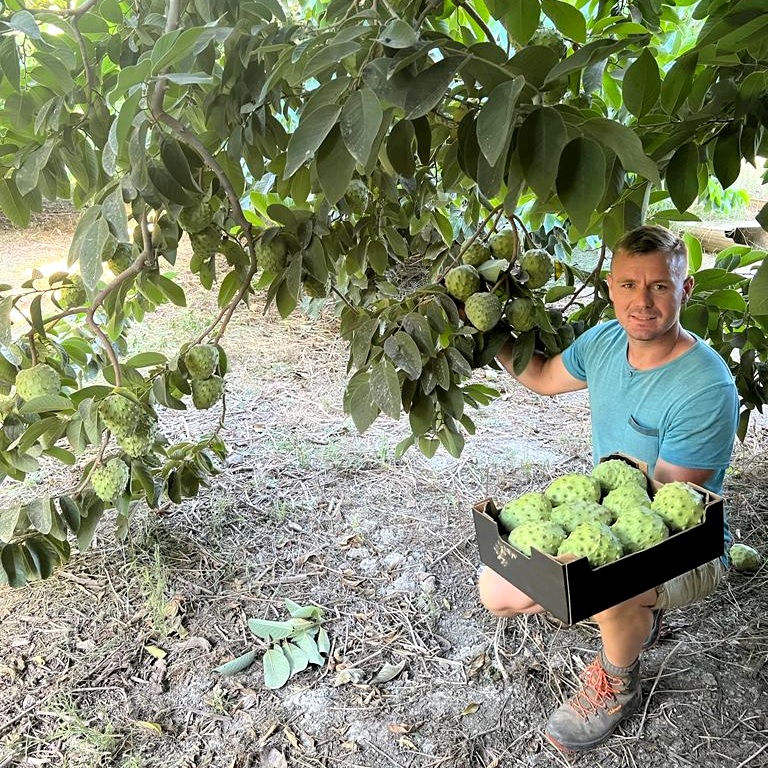
This fruit tree can reach a height of 2 to 7 meters. Over the centuries, its cultivation has spread to the Mediterranean Europe — notably in Spain, in the province of Granada on the Costa Tropical of Andalusia, but also in Portugal, California, and some regions of Southeast Asia. At Biovie, the organic cherimoya we offer is grown directly by our partner Iulian Pescara, a fruit grower based in Salobreña (Granada), in certified organic farming.
To discover other little-known wonders, take a look at our complete guide to the rarest tropical fruits.
Nutritional values of cherimoya per 100 g
Here is what cherimoya contains — data from USDA FoodData Central (official reference):
- Calories: 75 kcal
- Carbohydrates: 17 g (including 14 g of natural sugars)
- Dietary fiber: 3 g
- Fats: 0.2 g
- Proteins: 1.5 g
- Vitamin C: 18.3 mg — about 23% of the recommended daily intake (RDI)
- Vitamin B6: 0.26 mg — about 13% of the RDI
- Vitamin B2 (riboflavin): 0.13 mg
- Potassium: 287 mg — about 8% of the RDI
- Magnesium: 21 mg
- Water: 75%
75 kcal per 100 g, 3 g of fiber, and a micronutrient density that exceeds the average of common fruits. That's cherimoya. No need for extrapolations — the numbers speak for themselves.
What are the benefits of cherimoya?
Frankly, the list is long — and it is documented. Here are the main benefits of cherimoya, linked to their nutritional basis:
Immune system support. Vitamin C contributes to the normal functioning of the immune system (claim authorized by EC 1924/2006). Its presence in cherimoya is real, even if it remains more modest than in an orange. The important thing: it combines with the fruit's natural polyphenols — flavonoids and acetogenins — whose pulp is documented as a rich source of antioxidants (Gupta-Elera et al., 2011).
Normal functioning of the nervous system. Vitamin B6 contributes to the normal functioning of the nervous system and regulates hormonal activity. Vitamin B2 contributes to normal energy metabolism. Two often overlooked nutrients, present in interesting amounts for a fresh fruit.
Digestive comfort. With 3 g of fiber per 100 g — more than a banana, more than an apple — cherimoya contributes to normal digestive function. In concrete terms: a good ally for regular transit.
Cardiovascular support. Potassium contributes to the normal functioning of blood pressure (claim authorized by EC 1924/2006). Magnesium, often deficient in contemporary diets, helps reduce normal fatigue and supports normal muscle function.
Documented antioxidant activity. Studies published in Food Research International have analyzed the antioxidant activity of cherimoya pulp using several methods (ORAC, TOSC) and confirmed the presence of polyphenolic compounds and acetogenins with antioxidant properties (Gupta-Elera et al., 2011). Further research on seven Spanish cultivars (Santos Velázquez et al., 2021) confirmed these results, especially for the varieties of the Costa Tropical. These results are preliminary: clinical studies on humans are still needed — I always say this clearly.
Naturally low in fats. Less than 0.2 g of lipids per 100 g. For those who monitor their lipid intake, it's a fruit to include without a second thought.
An asset during pregnancy. Rich in vitamin B6, magnesium, and fiber, cherimoya can naturally be incorporated into the diet of a pregnant woman looking to diversify her intake. See also our article on live food during pregnancy.
Cherimoya and diabetes: what you need to know
Cherimoya is a sweet fruit. About 17 g of carbohydrates per 100 g, including 14 g of sugars — a content similar to ripe bananas. Diabetic individuals or those monitoring their blood sugar should take this into account.
The good news: its 3 g of fiber slow down sugar absorption and temper the glycemic impact. Half a cherimoya (100 to 150 g) is a reasonable portion within a varied and balanced diet. In cases of diabetes or confirmed metabolic disorders, consulting a healthcare professional is essential before making it a regular habit.
Cherimoya: dangers, contraindications, and side effects
This is the section everyone should read before biting into this fruit. The cherimoya itself is perfectly safe — but there are rules to know:
- The seeds are toxic. Period. The black seeds contain alkaloids (including annonine and isolaureline) that can be harmful to the nervous system in high doses. Never swallow them. Never blend them in a blender. Always remove them before consumption — it's non-negotiable.
- The skin is inedible. Indigestible. Remove it before enjoying.
- Possible allergies. Rare, but real. Like any exotic fruit, a first consumption can trigger a reaction in some sensitive individuals: itching, skin rashes, digestive discomfort. Start with a small amount if you've never eaten cherimoya before.
- Moderate consumption recommended. 14 g of natural sugars per 100 g. A fruit to savor, not to consume by the kilo. (Which applies to almost all fruits, really.)
- Drug interactions. The Annonaceae family is being researched for its bioactive compounds. As a precaution, anyone on regular medication should talk to their doctor before consuming it frequently.
In summary: always remove the seeds and skin, consume in moderation, and you will enjoy all the benefits of this exceptional fruit without any risk. Simple.
How to choose a ripe cherimoya and store it?
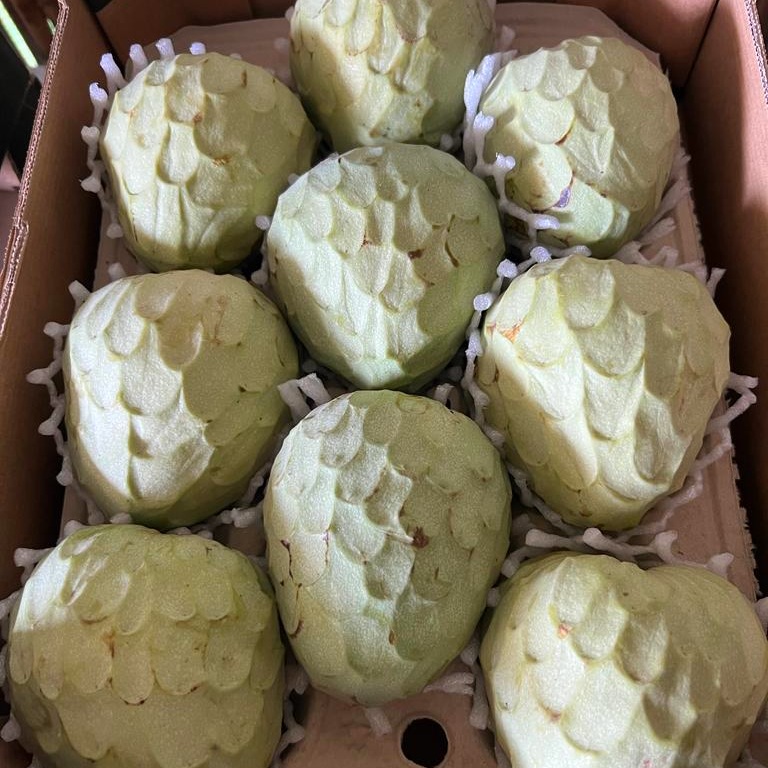
Cherimoya ripens after harvest, just like an avocado — it's a good reference point if you're familiar with this fruit. Some practical tips:
- Ripe = slightly soft to the touch. A gentle thumb press should leave an imprint. If the fruit is still firm, wait.
- Color: dark green to slightly yellowish. Pronounced blackening means the fruit is overripe.
- At room temperature (20-27 °C): allow 24 to 72 hours to go from firm to perfectly ripe.
- Once ripe, in the refrigerator: it keeps for up to 7 days. Never freeze the raw flesh — it turns black. However, a puree or sorbet made from the pulp freezes very well.
For more tips on fruits with progressive ripening, our article on the benefits of avocado will provide other useful points of reference.
How to eat cherimoya? Recipes and uses
First thing: let it ripen. It's the sine qua non condition. A firm cherimoya has no gustatory interest.
Its taste? A mix of creamy banana, sweet pineapple, and strawberry, with a texture that really resembles natural ice cream. That's why this fruit fascinates pastry chefs so much. Here's how to enjoy it practically:
Nature, by the spoon. Cut in half, remove the black seeds one by one, and enjoy directly. It's the simplest way — and often the best.
In a tropical smoothie. The pulp of half a cherimoya + a banana + 150 ml of coconut milk + a few ice cubes. No added sugar needed. Result: creamy, naturally sweet, really good.
In an express sorbet. Blended pulp + juice of one lemon + a dash of agave syrup, then freeze, stirring every 30 minutes. Two hours is enough.
Chirimoya alegre — the classic Chilean recipe. Seeded cherimoya slices, drizzled with freshly squeezed orange juice. Simple, refreshing, and perfectly suited for a summer meal starter.
In an exotic fruit salad with mango, papaya, and lime juice. By the way, if you love exotic fruits in all their forms, our selection of Biovie freeze-dried fruits is worth a look.
Season and availability of cherimoya in France
In South America (country of origin), the harvest extends from September to April. In Europe, Spanish production — mainly Andalusian — offers availability over a similar period. The cherimoyas we offer at Biovie come directly from the Costa Tropical, province of Granada — harvested at physiological maturity by our partner Iulian Pescara, shipped without prior refrigeration to preserve their quality. Available in boxes of 4 to 5 kilos. GLS delivery (France, Belgium, Spain, Portugal, Italy, Germany).
To discover other seasonal fruits grown in the same region, take a look at the benefits of mango.
FAQ — Your questions about cherimoya
What are the benefits of cherimoya?
Cherimoya is a source of vitamin C, vitamin B6, potassium, magnesium, and fiber. As part of a varied and balanced diet, it contributes to the normal functioning of the nervous and immune systems, promotes intestinal transit, and supports cardiovascular health thanks to its potassium content. It is also naturally low in fat (less than 0.2 g/100 g).
Is cherimoya dangerous?
The flesh of the cherimoya is safe for the vast majority of people. However, the black seeds contain toxic alkaloids and should never be swallowed or blended — this is the absolute rule. The skin is inedible. Diabetic individuals should monitor quantities (about 17 g of carbohydrates/100 g). Those on medication should consult their doctor before regular consumption.
How do you know if a cherimoya is ripe?
A cherimoya is ripe when it yields slightly to finger pressure — just like an avocado. The skin can change from light green to a darker green or yellowish. Let it ripen at room temperature (20-27 °C) for 24 to 72 hours after purchase. Once ripe, it can be stored for up to 7 days in the refrigerator.
Can you eat cherimoya if you are diabetic?
Cherimoya contains about 17 g of carbohydrates per 100 g (including 14 g of natural sugars). Diabetic individuals can consume it in moderation — half a cherimoya is a reasonable portion. Its 3 g of fiber slow down sugar absorption, which mitigates the glycemic impact. If in doubt, consult your doctor or dietitian.
When is the cherimoya season?
From Spain (Andalusia, Costa Tropical of Granada), cherimoya is mainly available from autumn to spring — between October and April. At Biovie, we offer it according to arrivals directly from our partner producer, in certified organic farming.
How to eat a cherimoya?
Wait until it is fully ripe (slightly soft to the touch). Cut it in half, remove the black seeds one by one — they are toxic, never swallow them. Enjoy the pulp directly with a spoon, or incorporate it into a smoothie, homemade sorbet, or fruit salad. Its creamy texture is reminiscent of ice cream, with a taste blending banana, pineapple, and strawberry.
References
- Gupta-Elera, G., Garrett, A.R., Robison, R.A., & O'Neill, K.L. (2011). "The antioxidant properties of the cherimoya (Annona cherimola) fruit". Food Research International, 44(7), 2205–2209. [In vitro study — antioxidant activity of the pulp via ORAC and TOSC methods]
- Santos Velázquez, A., et al. (2021). "Pomological, Sensorial, Nutritional and Nutraceutical Profile of Seven Cultivars of Cherimoya (Annona cherimola Mill)". Foods, 10(1), 15. PMID: 33374394. [Comparative analysis of 7 Spanish cultivars — nutritional composition and antioxidant capacity]
- Pereira, C., et al. (2016). "Nutritional and phytochemical composition of Annona cherimola Mill. fruits and by-products: Potential health benefits". Food Research International, 82, 126–132. PMID: 26433307. [Nutritional and phytochemical composition of the pulp, skin, and seeds — 4 cultivars from Madeira]
- USDA FoodData Central. Annona cherimola — nutritional composition data. U.S. Department of Agriculture.
- ANSES Ciqual. Nutritional composition table of foods. National Agency for Food, Environmental and Occupational Health Safety.
- Wikipedia. Annona cherimola — botanical reference.
Update: March 2026. Article validated by Éric Viard, founder of Biovie and engineer at ISTOM, co-author of « Algues au quotidien » (Gallimard, 2024) — Best Cookbook in the World, Gourmand Cookbook Awards 2025, and Best Cookbook in France, National Academy of Cuisine 2025.
Disclaimer: The information presented in this article is provided for informational purposes only and does not constitute medical advice. Consult a qualified healthcare professional before making any changes to your diet or supplementation. As part of a varied and balanced diet and a healthy lifestyle.