

Biotin can contribute to hair growth, but it's not a miracle solution. Biotin, also known as vitamin B7, plays a role in the production of keratin, a protein that makes up hair, skin, and nails. However, its effectiveness largely depends on whether you have a biotin deficiency. For most people with a balanced diet, additional biotin supplements may not significantly impact hair growth. It's always best to consult with a healthcare professional to determine if biotin supplementation is right for you. biotin — or Vitamin B8 — plays a real role in hair health: the EFSA sets adequate intake at 30 µg per day biotine, et les précautions à prendre avant de commencer une supplémentation. biotin for hair, and especially how to address it through diet rather than by taking synthetic pills.
What is biotin and what is its exact role for hair ?
Biotin (Vitamin B8): A Key Molecule in Hair Metabolism
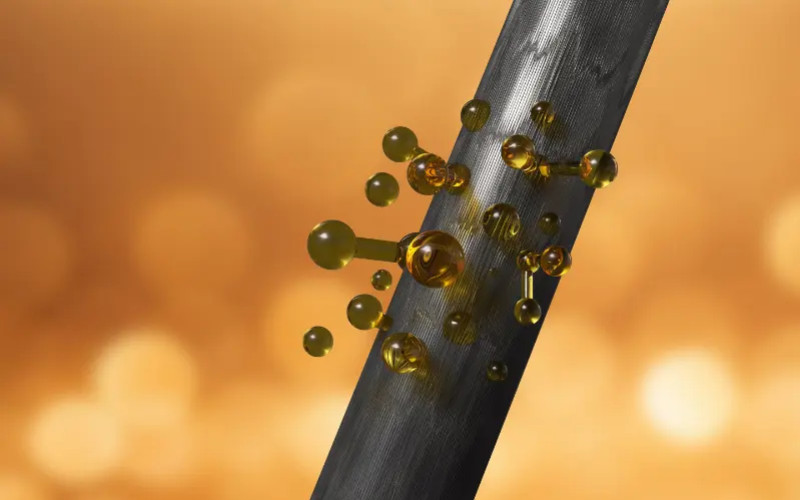
Biotin is a water-soluble vitamin from the B group. It is also called Vitamin B8, vitamin H or coenzyme R according to the nomenclatures — which sometimes causes confusion. But behind these different names, it is always the same molecule: an enzymatic cofactor essential for the metabolism of carbohydrates, lipids, and especially proteins.
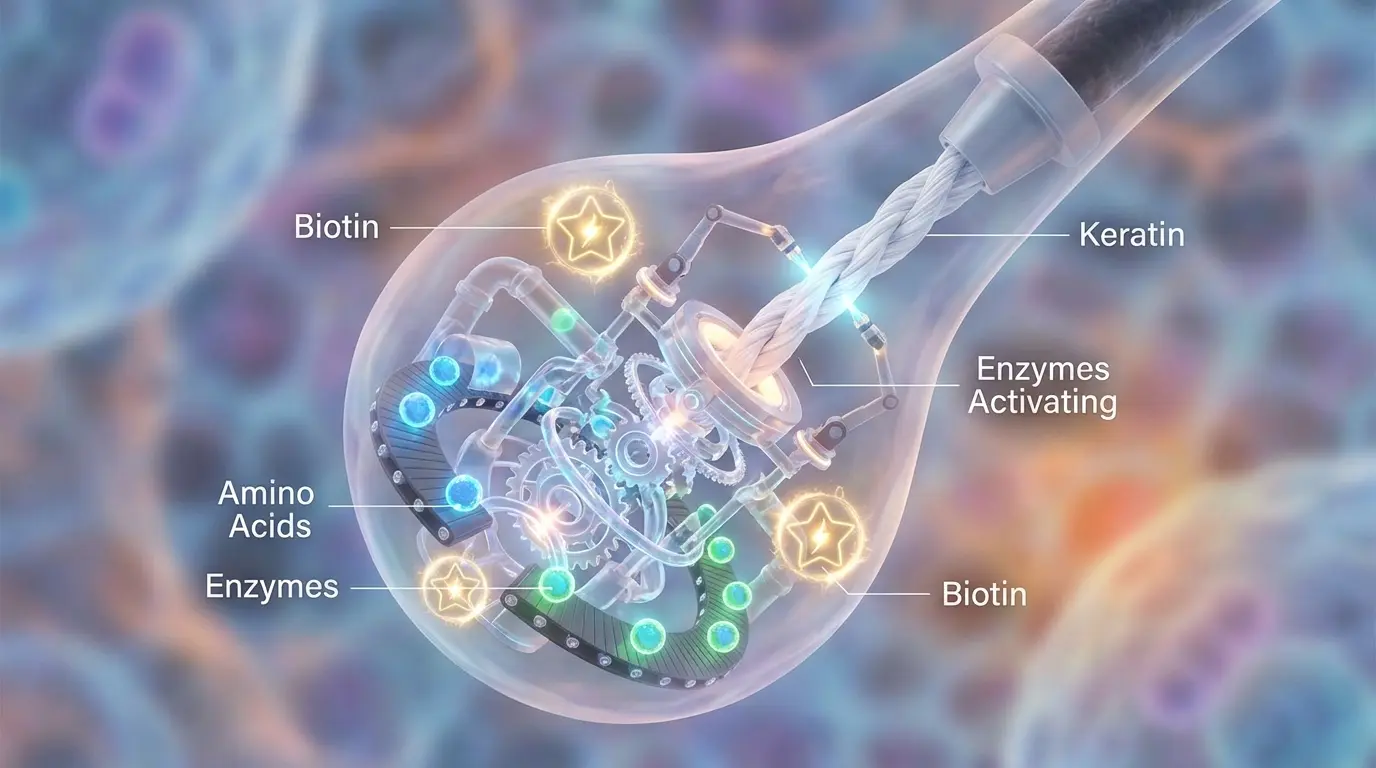
And this is where it gets interesting for hair. Keratin, the structural protein that makes up 95% of the hair fiber, cannot synthesize properly without biotin. Specifically, the biotin hair is involved in the enzymatic reactions that allow your body to produce and recycle the amino acids necessary for this keratinization. Without sufficient supply, the production chain is slowed down.
The EFSA (European Food Safety Authority) sets the adequate intakes at 30 µg per day for an adultEFSA, 2014). A level that most people reach without difficulty through a varied diet.
How does it specifically act on the hair follicle ?
Imagine your hair follicle as a small biological factory that runs continuously. To produce a hair fiber, this factory needs energy, protein raw materials, and enzymatic cofactors — of which biotin is a part. It participates in:
- The synthesis of keratin through the metabolism of sulfur-containing amino acids (cysteine, methionine)
- The regulation of the hair cycle (anagen, catagen, telogen phases)
- The maintenance of the lipid sheath around the fiber, which contributes to shine and mechanical strength
What many people don't know is that biotin doesn't work alone. It is part of a nutritional ecosystem: iron, zinc, vitamins B9 and B12, complete proteins. Focusing solely on biotin without considering the whole picture is like fixing just one brick in a wall that is crumbling from top to bottom. This is one of the reasons why we recommend looking into the spirulina for hair, which provides this complete nutritional complex.
What science really says about biotin and hair growth
Here is the point that deserves serious attention. According to a systematic review published in Troubles des annexes cutanées (Patel et al., 2017), biotin deficiencies are rare in the general population — but more common in pregnant women, people on prolonged antibiotics, or those following very restrictive diets. And this is the key nuance: biotin only contributes to hair growth if you are truly deficient in it.
VIDAL Clearly put: for individuals with sufficient intake, biotin supplementation does not have a proven effect on accelerating hair growth. What is marketed as a "miracle solution" on Instagram is actually a remedy that only works in cases of confirmed deficiency.
That kind of honesty is not often found in the pharmacy aisles.
How to recognize a biotin deficiency ?
The key hair signs to watch out for
Your body sends signals well before the biotin deficiency is clinically diagnosed. Here are the first signs to watch for, in other words, the symptoms of biotin deficiency for hair:
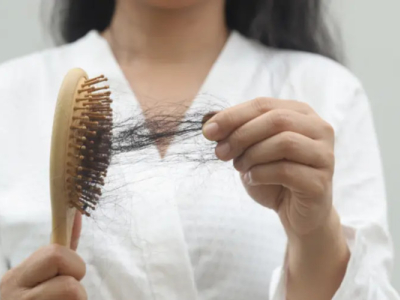
- Hair that breaks easily, appears duller, and lacks volume is often the first sign of biotin hair loss Diffuse
- A diffuse hair loss (not localized like in alopecia), especially noticeable during washing.
- Soft, ridged nails that split or break for no reason — the biotin and brittle nails are intimately linked
- A complexion that lacks radiance, sometimes with slight redness around the nose and mouth.
These signals are rarely isolated. In general, when biotin is lacking, it's the entire B group that sounds the alarm — because these vitamins work synergistically in your cellular metabolism. If you observe several of these signs simultaneously, consult our article on hair loss and its natural causes for a global perspective.
A practical detail: nails respond faster than hair (4 to 6 weeks vs. 3 to 6 months). They are often the first indicator of improvement when you adjust your intake—and a good benchmark to assess if your nutritional approach is having an effect.
The most at-risk profiles: pregnancy, restrictive diets, intestinal problems
Not everyone is in the same situation. Some profiles are significantly more exposed to a lack of Vitamin B8:
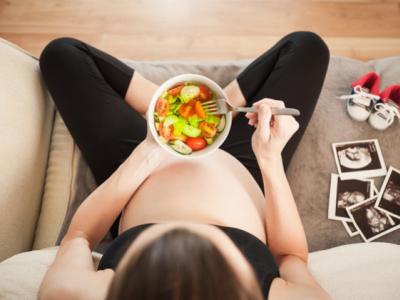
- Pregnant women : the needs slightly increase to 35 µg/day (EFSA). Biotin is necessary for embryonic development, and studies show that a significant proportion of pregnant women have marginally insufficient levels, even without obvious symptoms. Find our detailed advice on Nutrition and Nutritional Needs During Pregnancy
- People on long-term antibiotics : the gut microbiota synthesizes a portion of our biotin needs. When antibiotics disrupt this flora, endogenous production decreases.
- Very restrictive diets : the exclusion of eggs, legumes, nuts, and seeds can lead to deficiencies in Vitamin B8 for hair through diet
- People suffering from intestinal malabsorption : Crohn's disease, irritable bowel syndrome, certain liver conditions
And then there is a frequently underestimated cause: the regular consumption of raw egg whites. Avidin, a protein present in uncooked egg whites, binds to biotin and prevents its absorption. If you make protein smoothies with raw egg whites, that might be where the problem lies.
How to confirm a biotin deficiency ?
Clearly, if you exhibit several of the mentioned signs and are in a high-risk profile, the simplest course of action is to discuss it with your doctor. A urinary measurement of biotin or its metabolites (3-hydroxyisovaleric acid) can help guide the diagnosis.
What is important is not to self-diagnose and start high-dose supplementation without confirmation. We will see why a little later — and it is not without consequences on your biological analyses.
The best natural sources of biotin — without resorting to capsules
Everyday foods rich in biotin
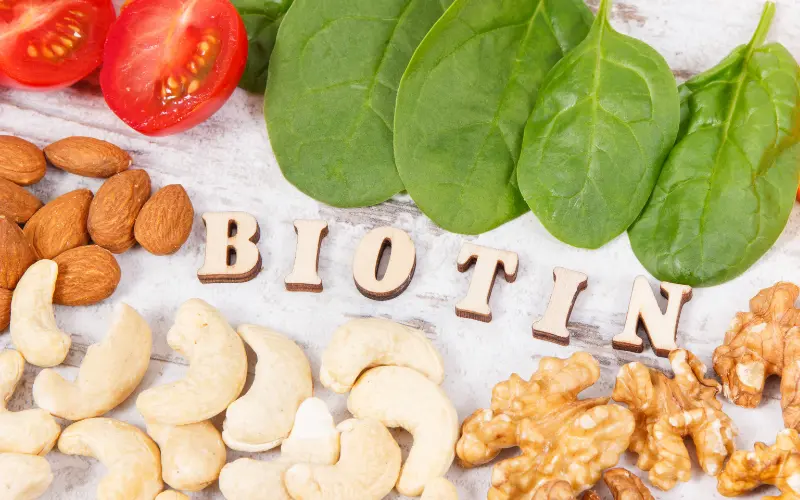
Good news: the natural biotin without capsules is present in many common foods. Here are the main ones natural food sources rich in biotin, in order of concentration:
- Brewer's yeast : 100–200 µg/100g (one of the most concentrated sources, ideal for sprinkling on dishes)
- Almonds : 40–65 µg/100g
- Nut : 35–50 µg/100g
- Lawyers : 3–6 µg per piece
- Bananas : 3–5 µg/100g
- Sweet potato : 4–5 µg/100g
- Cooked egg yolk : 10–13 µg per yolk (cooked = avidin inactivated)
- Legumes (lentils, chickpeas): 10–20 µg/100g
- Organic spirulina : biotin + complete B complex + 55–70 g of protein/100g
- Chlorella : B vitamins, including B12, and concentrated chlorophyll
In practice, a diet that regularly includes nuts, legumes, eggs, and brewer's yeast easily covers the 30 µg recommended by the EFSA. No capsules needed.
Spirulina and Chlorella: The Often Forgotten Concentrated Marine Sources
This is the angle that no one mentions in the Top 10 Google results on this topic — and this is precisely where Biovie's expertise comes into play.
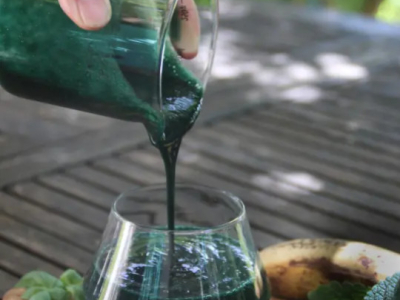
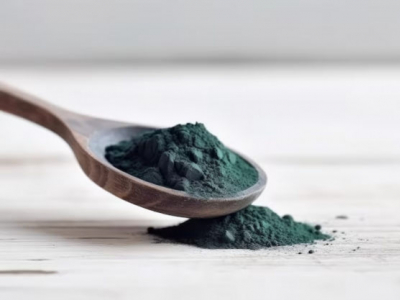
The Spirulina, source of biotin, is a microalga that contains biotin as well as the entire complex of B vitamins necessary for hair keratinization. But what truly sets it apart from simple biotin supplements is its overall nutritional profile: 55 to 70 g of protein per 100 g (including all essential amino acids), highly bioavailable iron, zinc, copper — all essential cofactors for the hair cycle. It's a complete "hair pack" that no single capsule can replicate. For more on this topic, our comprehensive guide on the effects of spirulina on hair health will give you all the keys.

The Chlorella B vitamins hair is particularly interesting for its contribution of B vitamins, including B12 (rare in plant sources) and several vitamins contributing to energy metabolism and keratin formation. It also contains a remarkable amount of chlorophyll — 10 to 15 times more than spinach. To learn more, check out our article on the benefits of chlorella.
With Aurélie, we have incorporated spirulina into our daily diet since the beginnings of Biovie. It's not a supplement we take out of obligation: it's a living microalgae that we cook with, add to morning smoothies, and see the effects on overall vitality—hair, nails, energy. This is not advertising, it's our experience for 18 years.
Here is a presentation we made on chlorella, which details its exceptional contributions in B vitamins:
▶ Chlorella: The Revolutionary Superfood — Biovie
Bioavailability: Why Food Sources Prevail Over Synthetic Supplements
Bioavailability is the proportion of a nutrient that is actually absorbed and used by the body. In this regard, food sources have a structural advantage over Natural alternatives to synthetic biotin.
When you consume organic spirulina, biotin comes accompanied by its natural cofactors — amino acids, minerals, phytonutrients — which facilitate its absorption and cellular use. A synthetic biotin capsule delivers an isolated molecule, without this nutritional context. The dosage is higher on the label, but the actual physiological effectiveness is another story.
To put it simply: dose ≠ effectiveness. What your hair follicle uses is what passes through the intestinal barrier and reaches the bulb. And complex food matrices — like those of spirulina — optimize this passage.
Synthetic biotin vs food sources: the real match
The limits and risks of high-dose biotin capsules
What few brands tell you when they sell their capsules with 5,000, 10,000, or even 20,000 µg of biotin — which is 100 to 300 times the daily requirement — is that these massive doses can distort important biological analyses. Here is one of the main side effects of biotin for hair that advertisements carefully omit.
The The American FDA issued an official alert in 2019. On this subject: high levels of biotin in the blood interfere with many immunoassays, including thyroid tests (TSH, T3, T4) and cardiac markers (troponin). TheANSM French media relayed these alerts. Cases of erroneous diagnoses — simulated hyperthyroidism, false positives in cardiology — have been documented.
If you are taking high-dose biotin capsules and need to have a blood test, always inform your doctor. This simple advice can prevent a cascade of unnecessary tests.
Here is a perfect example of the gap between what we read on social media ("biotin = beauty, zero risk") and what biological reality dictates.
When is supplementation justified ?
I am not a doctor and I will never tell you to never resort to a dietary supplement. Targeted supplementation has its place in certain specific contexts:
- Deficiency confirmed by biological assessment
- Pregnancy or breastfeeding with difficulty meeting needs through diet alonebiotin pregnancy breastfeeding safety : always consult a healthcare professional)
- Very restrictive diet in the long term
- Diagnosed malabsorption pathology
In such cases, biotin supplementation—at recommended doses, not "Instagram" doses—makes clinical sense. Outside of these situations, correcting through diet first is almost always sufficient and much more physiologically coherent.
The Biovie approach: fill in with spirulina before supplementing
Our philosophy at Biovie, which we have been advocating since 2007, is to first seek in living organisms what the pharmaceutical industry often wants to sell us in isolated form. Not out of ideology, but because scientific evidence and our experience have shown us that complex food matrices work better than isolated molecules.
For hair biotin, this translates very concretely: before purchasing high-dose biotin capsules, introduce 3 to 5 g of best biotin for hair in the form of organic spirulina per day in your diet, diversify your sources of B vitamins (brewer's yeast, legumes, nuts), and observe over 8 weeks. You will have provided your body with much more than just biotin: proteins for keratin, iron for the hair cycle, zinc for cell division at the bulb. To choose a quality spirulina, consult our guide: choose a high-quality organic spirulina.*
How to Optimize Your Biotin Intake Naturally? Practical Guide
Looking for a complete natural hair care routine? Also check out our comprehensive guide: spirulina for hair.
Daily needs according to profiles (adult, pregnant woman, athlete)
The EFSA recommendations provide a clear framework for know how much biotin per day for hair:
- Adult (man or woman) : 30 µg/day
- Pregnant woman : 35 µg/day (slightly increased needs for fetal development)
- Breastfeeding woman : 35 µg/day as well
- Endurance athlete : the needs may be slightly higher due to accelerated metabolic turnover — but they remain covered by a diet rich in nuts, legumes, and microalgae.
These figures may seem modest compared to the 5,000 or 10,000 µg displayed on some supplement boxes. This is precisely one of the reasons why these doses are not only unnecessary for most of you but potentially problematic.
8-week program: diet + spirulina + monitoring
Here is a concrete protocol that we propose at Biovie, based on our field experience and available nutritional data. It does not replace medical advice, but it provides a solid foundation for addressing hair health through living food. By asking you how long should a biotin hair treatment last, The answer is: at least 8 weeks, ideally a full cycle of 3 months.
Weeks 1–2: Laying the foundations
- Introduce 2 g of organic spirulina per day (in a smoothie in the morning, or as flakes on a salad)
- Add a tablespoon of brewer's yeast to your dishes (be careful, no cooking — heat destroys B vitamins)
- Incorporate a small handful of almonds or nuts each day
- Reduce the consumption of raw egg whites if consumed regularly.
Weeks 3–4: gradual ramp-up
- Switch to 3-4 g of spirulina per day
- Introduce legumes 3 to 4 times a week if not already done.
- Observe the first signals on the nails (they react before the hair)
Weeks 5–6: stabilization and adjustments
- Maintain 3–5 g of spirulina/day
- Add 1 g of chlorella (rich in B vitamins and chlorophyll) if you wish.
- Ensure that your zinc and iron intake is sufficient — these cofactors are essential for the hair cycle.
Weeks 7–8: Evaluation
- Compare the strength of nails (first visible marker)
- Observe the amount of hair in the brush after washing.
- Evaluate the overall texture of the hair (shine, brittleness, suppleness)
To complete your natural hair care routine, also consider exploring hemp oil for hair or our homemade hair mask recipes, which integrate perfectly with this dietary protocol.*
What you can expect to see (and when)
Let's be honest: hair doesn't transform in 2 weeks. The human hair cycle lasts about 3 months (anagen phase: 2 to 6 years, catagen phase: 2 weeks, telogen phase: 3 months). This means that the effects of nutritional correction on hair quality are only visible after a complete cycle — that is, 3 to 6 months for some biotin hair results before and after significant (The Independent Pharmacy, 2025).
What you might expect to observe over this period, if you were indeed in deficiency:
- A reduction in breakage during detangling and washing (visible after 6–8 weeks)
- Stronger and less ridged nails (within 4–6 weeks — this is the first sign)
- A renewed density and shine on new hair (after 12–16 weeks)
- A reduction of the biotin hair loss broadcast (from 3 months)
What if you were not deficient in biotin? Your body will still benefit from the protein, iron, and zinc provided by spirulina — with positive effects on overall energy and vitality. It's never a waste of time.
Among our clients who have incorporated Biovie spirulina into their daily routine, Magali shares: "Perfect for ordering quality spirulina and algae. I completely trust Biovie!" (Trustpilot, 5★). And Barbara notes: "The spirulina powder is exceptional." (Trustpilot, 5★)
We receive this feedback regularly. It does not replace a clinical study, but it confirms what our own experience has been teaching us for years.
If you want to learn more about the nutritional properties of spirulina to understand why it is such a source of B vitamins, here is our reference video on chlorella, its cousin with similar properties:
▶ Chlorella, the revolutionary superfood — B vitamins, proteins, chlorophyll (Biovie)
Discover our organic spirulina, a complete source of B vitamins for your hair health → Choose a high-quality organic spirulina from Biovie*
FAQ — Biotin and Hair: 7 Questions Everyone Asks
Does biotin really make hair grow ?
Biotin contributes to the normal metabolism of proteins and thus to hair keratinization — but only if you are actually deficient in it. In people with sufficient intake, studies do not show a proven effect on accelerating growth (VIDAL, 2025). However, correcting a deficiency through dietary sources like spirulina can improve density and reduce breakage over a cycle of 3 to 6 months.*
What are the signs of a biotin deficiency for hair ?
The main signs are brittle and dull hair, diffuse hair loss, soft and ridged nails, and skin that lacks radiance. These signs often accumulate in pregnant women, people on antibiotics, or those following a very restrictive diet.
Which food is naturally the richest in biotin ?
For a plant-based diet, brewer's yeast, almonds, walnuts, avocados, and bananas are excellent sources. Spirulina and chlorella also provide biotin with the advantage of a complete nutritional profile including proteins, iron, and essential minerals for hair health.
How long does it take to see the effects of biotin on hair ?
It takes between 3 to 6 months for significant results, as the hair cycle lasts about 3 months. Nails respond more quickly (4 to 6 weeks) and are often the first indicator. Patience is key: lasting changes do not occur until the end of a complete renewal cycle.
Are high-dose biotin capsules safe ?
No, not completely. High doses (greater than 5,000–10,000 µg) can skew important biological analyses, particularly thyroid tests and cardiac markers. The FDA and ANSM have issued warnings about this. It is recommended to inform your doctor of any supplementation before a blood test.
Can spirulina replace biotin supplements for hair ?
For the majority of people without severe deficiencies, yes. Spirulina contributes to the intake of B vitamins and provides complete proteins for keratin, iron that participates in the normal hair cycle, zinc, and B vitamins. It is a more holistic and physiological approach than isolated biotin supplementation. A dose of 3 to 5 g/day of organic Biovie spirulina covers a large part of the needs.*
Can biotin be taken during pregnancy and breastfeeding ?
Biotin requirements slightly increase during pregnancy (35 µg/day according to the EFSA) and breastfeeding. A varied diet generally meets these needs. In case of supplementation, it is recommended not to exceed the recommended doses and to consult a healthcare professional. Spirulina, rich in B vitamins and proteins, is an interesting natural dietary alternative in this context.*
Receive our weekly tips for naturally healthy hair — sign up for the Biovie newsletter.
* A varied and balanced diet and a healthy lifestyle are important. The beneficial effect of spirulina on protein metabolism contributing to keratinization is achieved with 3 to 5 g per day of organic spirulina. This information does not constitute medical advice and does not replace a professional consultation.
Update: June 2026. Article approved by Éric Viard, founder of Biovie and engineer ISTOM, co-author of "Seaweed in everyday life"(Gallimard, 2024) —" Best cookbook in the world, Gourmand Cookbook Awards 2025, and Best cookbook in France, National Academy of Cuisine 2025.