Fast delivery
.png)
 Fair prices


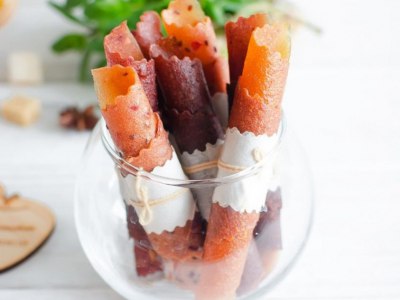

The fruit leather is one of the most ingenious snacks in raw cuisine: a simple puree of ripe fruits, spread in a thin layer and dried at low temperature, transforms into a flexible, delicious, and stable sheet for several months. Originating from Georgia, where it is called tklapi, this ancestral preparation is a healthy and 100% natural alternative to industrial candies. With a dehydrator at 42°C, you preserve the enzymes, vitamins, and flavors of the fruits: this is the very principle of living food according to Biovie. Follow our step-by-step 2026 recipe, our tips by fruit, and our answers to the most frequently asked questions.
What is fruit leather? Origins and principle
Fruit leather is a flexible and translucent sheet obtained by dehydrating a fruit puree. Its malleable texture, similar to that of fine leather (hence its name), allows it to be rolled, cut into strips, or folded. Its taste is intense because dehydration concentrates the sugars and natural aromas of the fruit.
This traditional technique is found in several cuisines around the world: in Georgia under the name tklapi, in Turkey as pestil, in Armenia, the Middle East, and even in North America under the name "fruit leather." Everywhere, the principle is the same: a ripe fruit, a thin layer, and a long drying at low temperature.
Why dehydrate at 42°C? The advantage of living food
Most industrial fruit leathers are dried at high temperatures (60 to 80°C) to save time. However, beyond 45°C, the natural enzymes of the fruits and the heat-sensitive vitamins (notably vitamin C and B group) begin to degrade. By staying below 45°C (42°C is the classic benchmark for living food), you retain the essential vitality of the fruit while extending its shelf life.
This is the philosophy advocated for over 30 years by Biovie: slow drying, gentle heat, respect for living things. To delve into the differences between techniques, consult our guide freeze-drying or dehydration: which method preserves your nutrients?.
Basic Fruit Leather Recipe (Step-by-Step)
Ingredients (for 2 dehydrator trays)
- 500 g of exotic or seasonal fruits, well-ripened (mango, strawberry, banana, apple, raspberry…)
- A dash of lemon juice (for fruits that oxidize: apple, banana)
- Optional: 1 to 2 pitted dates for added sweetness
- Optional: 1 tbsp of nut butter (almond, cashew, hazelnut) for consistency
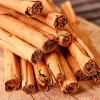
- Optional: spices (raw sliced ginger, organic cinnamon stick, turmeric, vanilla)
- Optional: 1 tbsp of chia seeds (gels the puree and provides omega-3)
Equipment
- A powerful blender or an immersion blender
- A tray dehydrator (temperature adjustable up to 42 °C)
- Silicone sheets (Teflex type) or organic parchment paper
- A flat silicone spatula
The 5 Preparation Steps
- Wash and cut the fruits. Pit and peel if necessary.
- Blend finely until you get a smooth puree, without chunks. Add lemon juice, dates, and spices at this stage.
- Place a silicone sheet or parchment paper on the dehydrator tray. Pour the puree and spread evenly with the spatula to a thickness of 0.6 to 1 cm. Not too thin (risk of cracking), nor too thick (incomplete drying).
- Run the dehydrator at 42 °C for 8 to 12 hours depending on the fruit (see next section).
- The leather is ready when the surface is smooth, silky, flexible, and not sticky to the touch. Gently peel it off, cut into strips, roll into spirals, or store in whole sheets.
Recipes by Fruit: Durations and Tips
Strawberry Leather. 8 to 10 hours at 42 °C. Strawberries are very watery: add half a banana or half a well-ripened mango to thicken the puree. Bright red result, with a natural candy taste.
Mango Leather. 10 to 12 hours at 42 °C. Mango is naturally sweet and dense: no addition needed. Golden color, soft texture, tropical aroma. One of the most popular leathers among children.
Apple Leather. 10 to 14 hours. Raw apple lacks consistency: first prepare a homemade cooked applesauce (without added sugar), then blend it smooth before spreading. Add a cinnamon stick during cooking for an autumn fragrance.
Banana Leather. 6 to 8 hours at 42 °C. Well-spotted ripe banana gives a very delicious, slightly caramelized leather. Perfect for children.
Raspberry Leather. 12 hours at 42 °C. Strain the seeds with a sieve if you prefer a smooth texture. Tart, perfect as a final touch on a raw dessert.
Tropical Leather (mango + passion fruit + pineapple). 12 hours. Mix 60% mango, 20% passion fruit, 20% pineapple for a vibrant, exotic, and fragrant leather.
Tips for Successfully Making Fruit Leathers
- Always use well-ripened fruits: the sweeter they are naturally, the less you need to add anything.
- For very watery fruits (watermelon, strawberry, raspberry), thicken with a banana or a mango.
- A splash of lemon or orange juice prevents oxidation of sensitive fruits (apple, banana, pear).
- Spread to a uniform thickness (0.6 to 1 cm): use a spatula tilted at 30°.
- Peel off the leather while it's still slightly warm; it comes off much more easily.
- If you don't have a dehydrator, use a convection oven at a minimum of 50°C, with the door slightly ajar (the living quality will be lower, but the result remains acceptable).
Storing Homemade Fruit Leather
A properly dehydrated and well-stored leather can last up to one year. Place it in an airtight glass jar, at room temperature, away from light and humidity. Place parchment paper between layers to prevent sticking.
Absolutely avoid the refrigerator: the ambient humidity of the fridge would soften the leather and promote mold growth. If the leather becomes sticky or shows suspicious spots, do not consume it. For other seasonal preservation techniques, read our article how to preserve your summer fruits and vegetables to consume them in winter.
Usage Ideas: More Than Just a Candy
- As a snack for children: a healthy alternative to industrial candies, to slip into the snack box. Also see our 9 easy raw recipes for children and the freeze-dried strawberries, the healthy alternative to candies.
- As a hiking snack: light, compact, rich in natural quick sugars, perfect for long walks.
- Rolled as a crepe with a raw filling (almond puree, banana, red fruits).
- As a cheese platter accompaniment: apple or fig leather is a great substitute for sweet fruit pastes.
- As a decoration for raw cakes: cut into original shapes to dress a raw pastry.
- As a gourmet gift: rolled and tied with a pretty ribbon, presented in a jar.
For more ideas on living snacks, explore our complete guide to freeze-dried fruits or our recipe for cashew-apricot sunshine bars.
What Our Customers Say
"The first recipes were appreciated by the family, especially the children." — Alime G., 5 ★ (Google Reviews)
"Crunchy raw cacao snacks, a very pleasant surprise." — Ediland, 5 ★ (Trustpilot)
Precautions & Audience: Read Before Starting
- Concentrated Natural Sugars: 100 g of fruit leather is equivalent to 5 to 7 fresh fruits. Consume in moderation for diabetics and low-carb diets.
- Children under 1 year: Avoid due to sticky texture (choking hazard) and possible presence of honey.
- Allergies: Be cautious if adding nut purees (almond, cashew, hazelnut).
- Incomplete Dehydration: Risk of mold development. Always check that the leather is dry to the touch (supple but not sticky) before storing.
- For precise nutritional values, consult the Ciqual composition table (ANSES). General recommendations on fruit consumption are provided by the EFSA.
FAQ — Fruit Leather
How to make homemade fruit leather?
Blend your ripe fruits into a smooth puree, spread in an even layer of 0.6 to 1 cm on a silicone mat or parchment paper, then dehydrate at 42°C for 8 to 12 hours depending on the fruit. The surface should become smooth, supple, and non-sticky to the touch.
How long does fruit leather last?
Properly dehydrated fruit leather stored in an airtight jar, at room temperature, away from light and moisture, lasts up to a year. Place parchment paper between layers to prevent sticking.
Can you make fruit leather without a dehydrator?
Yes, it's possible in a convection oven at 50°C, with the door slightly ajar to allow moisture to escape, for 6 to 10 hours depending on the fruit. However, the result will be less vibrant than at 42°C because enzymes and some heat-sensitive vitamins degrade above 45°C.
Which fruits are best suited for fruit leather?
Mango, banana, strawberry, raspberry, apple (pre-cooked as applesauce), and tropical mixes yield the best results. For very watery fruits like watermelon or strawberry, add a banana or mango to thicken the puree before dehydration.
Can children eat fruit leather?
Yes, fruit leather is an excellent healthy alternative to industrial candies for children over 1 year old, especially if prepared without added sugar. Avoid before 1 year due to the sticky texture. Moderate the quantity: 100 g of leather is equivalent to several fresh fruits concentrated in sugars.
Why dehydrate at 42°C rather than at high temperature?
Below 45°C, the natural enzymes of the fruits and heat-sensitive vitamins (C and B group) are largely preserved. This is the principle of living food: preserving the vitality of the fruit while increasing its shelf life.
Did You Know?
Fruit leather is a traditional dish from Georgia, where it is called tklapi. It is also found in Turkey (pestil) and Armenia, where it historically accompanies tea. This technique, centuries old, is one of the oldest fruit preservation methods in the world — and one of the most eco-friendly: no added sugar, no additives, no cold chain.
About the Author
"Fruit leather is proof that you can transform a simple fruit into a delicious, nutritious snack that lasts all year without adding a gram of refined sugar. It's the magic of gentle dehydration at 42°C." — Eric Viard
Update: April 2026 by Eric Viard, tropical agronomist, co-founder of Biovie (2007) and co-author of the book "Algae in Everyday Life" (Gourmand World Cookbook Award + National Academy of Cuisine Prize).
Disclaimer: this article is provided for informational purposes only. It does not replace the advice of a qualified health professional.