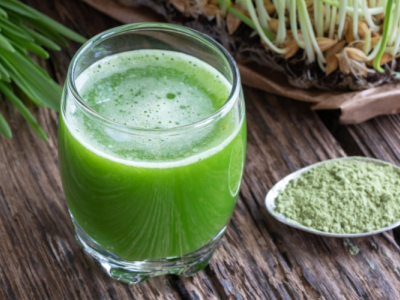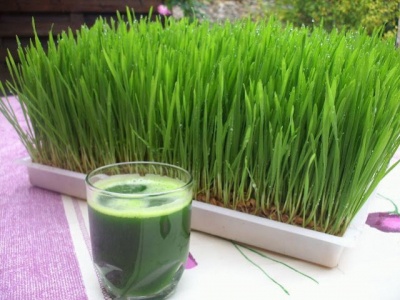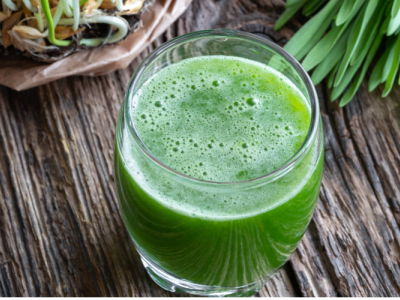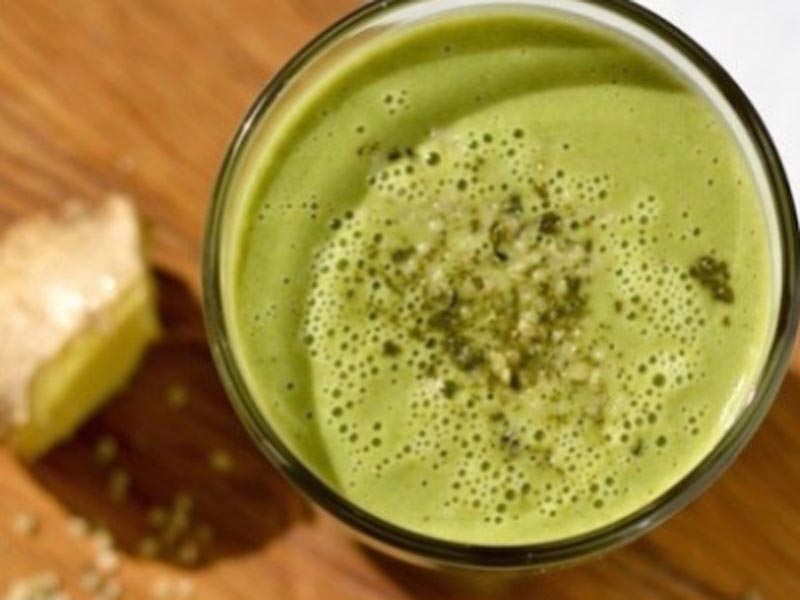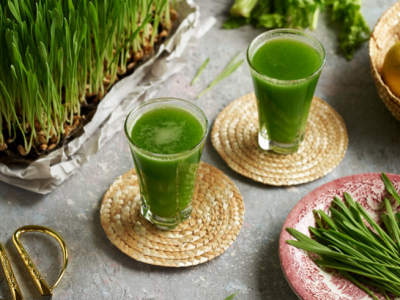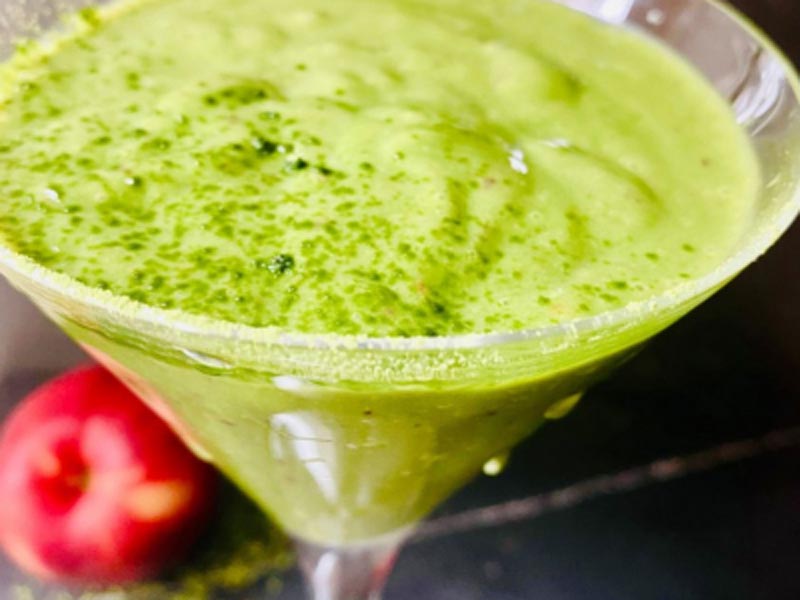


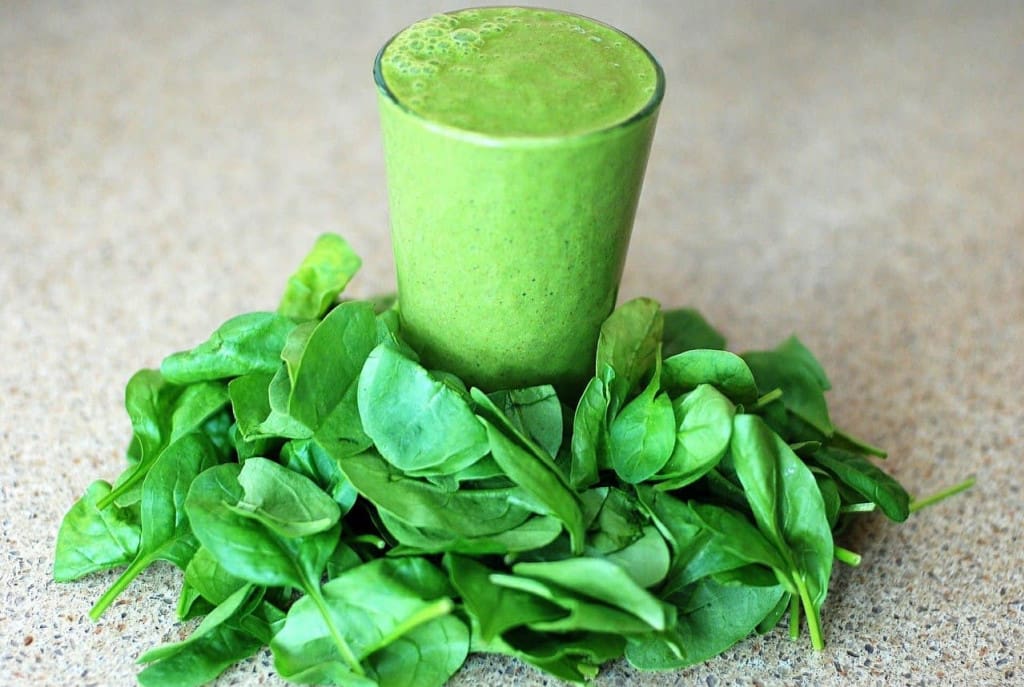

Imagine a large, tender green glass, five minutes of preparation on the clock, and a perfect tension on the palate between the tangy freshness of citrus and the herbal sweetness of coriander. This barley grass, citrus, and coriander smoothie is not just another recipe in the galaxy of green smoothies: it's a rare combination that marries the chlorophyll of barley grass, the vitamin C from three different citrus fruits (grapefruit, lemon, lime), and the aromatic compounds of fresh coriander, an herb used since antiquity to support natural elimination functions.
Updated in April 2026, this guide provides you with the step-by-step recipe, scientifically sourced benefits of each ingredient (PubMed, ANSES, Ciqual), the ideal dosage, and precautions to be aware of — notably the interaction of grapefruit with certain medications. To discover other versions of barley grass smoothies, I refer you to our alkalizing barley grass smoothie and our lemon-ginger-barley grass smoothie, two complementary variations of the same family.
Why combine barley grass, citrus, and coriander?
The nutritional logic of this combination can be summed up in three words: chlorophyll, vitamin C, aromatic compounds. Barley grass concentrates chlorophyll and more than sixty minerals and trace elements. The three citrus fruits provide a remarkable dose of vitamin C and bioflavonoids (naringin, hesperidin, limonene). Fresh coriander adds polyphenols and essential oils, including linalool.
This synergy has two concrete advantages. First, the vitamin C from citrus fruits improves the absorption of non-heme iron contained in the green leaves of barley grass and spinach in the recipe. Secondly, the combination of greenery + mild acidity + subtle bitterness produces a balanced flavor profile, much more accessible than overly herbal or overly sweet green smoothies. For an overview of the benefits of chlorophyll, see our comprehensive dossier on chlorophyll.
The distinguishing feature of this recipe: it is one of the few green smoothies to combine three distinct citrus fruits (and not just one) with fresh coriander. An aromatic trio more commonly found in South American or Asian cuisine than in classic detox juices.
€17.90
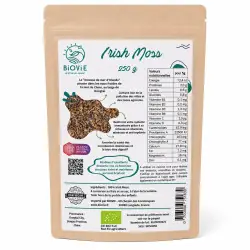
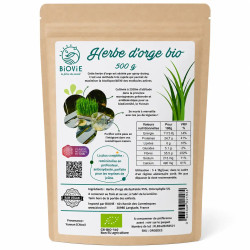
Organic barley grass powder
The Step-by-Step Recipe
Ingredients (for 1 large glass, about 500 ml)
- 1/2 pink grapefruit, peeled
- 1/2 yellow lemon, peeled
- 1 lime, peeled
- 1 sprig of fresh organic cilantro (5 to 6 leafy stems)
- 1 handful of fresh organic spinach leaves (about 50 g)
- 1/2 ripe avocado (flesh only)
- 1 organic apple or 1 organic pear
- 1 tablespoon of organic barley grass powder Biovie (or dehydrated barley grass juice)
- 100 to 150 ml of pure water or coconut water depending on the desired texture
Preparation (5 minutes)
- Peel the citrus fruits: remove the skin and white membrane to keep only the juicy flesh.
- Thoroughly wash the cilantro, spinach, and apple or pear.
- Dice the apple or pear (with the skin if it's organic).
- Pour all the ingredients into the blender, starting with the juiciest elements (citrus fruits) then the solids.
- Add the barley grass powder last, just before blending, to preserve the heat-sensitive enzymes.
- Blend for 30 to 45 seconds until you achieve a smooth and creamy texture.
- Adjust with a bit of water if the texture is too thick, or add an extra apple wedge if the acidity seems too strong.
- Drink immediately to maximize the benefits of the vitamins and heat-sensitive enzymes.
Chef's Tips
Prefer a powerful blender (Vitamix, Omniblend) for a perfect texture and fine emulsion of the avocado. For a milder version for those sensitive to the bitterness of grapefruit, replace it with a sweet orange. To further boost the detox effect, add half a teaspoon of spirulina powder — see our complete spirulina guide. If you want to explore other complementary recipes with the extractor or blender, dive into our 50 juice recipes for detox, energy, and immunity.
The Scientific Benefits of Barley Grass
Barley grass (Hordeum vulgare) refers to the young shoots of barley wheat harvested before heading, at a stage where the plant concentrates most of its bioactive compounds. Its powder typically contains up to 28 g of plant proteins per 100 g, chlorophyll, vitamins (B1, B2, B6, C, E), beta-carotene, more than sixty minerals and trace elements (calcium, iron, potassium, magnesium), antioxidant enzymes (superoxide dismutase, catalase), and specific polyphenols like saponarin and lutonarin.
Recent scientific literature is rich. The meta-analysis published by Zeng and collaborators in 2018 in Oxidative Medicine and Cellular Longevity lists the functional ingredients of barley grass and their preventive effects on chronic diseases (PubMed 29849880). A systematic review of sixteen randomized clinical trials published in 2024 documents the effect of barley and oat consumption on the immune system, inflammation, and gut microbiota (PubMed 38789888). A clinical study by Lee and collaborators (2015) also shows a favorable effect of a young barley shoot extract on cholesterol metabolism in 40 hyperlipidemic patients (PMC4458530). A synthetic work from 2024 finally highlights the role of barley in gut microbiota health and defense against chronic diseases (PMC11619984).
To understand in detail how to integrate barley grass into your daily life, read our key articles: the 10 benefits of barley grass juice and how to consume barley grass juice. To discover our barley grass supply chain in video, watch the report "Our barley grass: all the secrets with Rym Zoughlami".
Citrus fruits: vitamin C and bioflavonoids
The three citrus fruits in this recipe are not chosen at random. Each provides a distinct profile.
The pink grapefruit provides about 30 mg of vitamin C per 100 g (table Ciqual of ANSES), lycopene, and naringin, a well-studied antioxidant bioflavonoid. The yellow lemon is one of the champions of vitamin C with about 52 mg per 100 g, plus citric acid with alkalizing effects on digestion and limonene. The lime adds even more vitamin C, aromatic essential oils, and hesperidin.
This density of vitamin C is valuable beyond taste: vitamin C improves the absorption of non-heme iron found in green leaves (spinach, barley grass). This is why citrus fruits and green leaves form a coherent nutritional duo in the same glass.
Important precaution: grapefruit interacts with many medications — statins, immunosuppressants, vitamin K anticoagulants, calcium channel blockers. If you are on medication, seek advice from your doctor or pharmacist before adding grapefruit to your daily juices, or replace it with an orange.
Fresh coriander, a traditional detox ally
Coriander (Coriandrum sativum) has been used since antiquity as a digestive and carminative plant. Its fresh leaves are rich in vitamin K, vitamin A, vitamin C, polyphenols (caffeic acid, quercetin), and aromatic essential oils including linalool, which gives it its characteristic fragrance.
It is traditionally associated with supporting the natural elimination functions. Preliminary animal model research has suggested a potential role in the elimination of certain metals, but no high-quality human clinical study has validated this chelation effect in humans to date. A cautious formulation is necessary: we speak of traditional use and support for natural functions, not a detoxifying medication.
Practical tip: always choose organic cilantro. Conventional cilantro is one of the herbs most exposed to pesticides according to DGCCRF controls.
Other ingredients: spinach, avocado, apple
Raw spinach provides chlorophyll, iron (2.7 mg/100 g according to Ciqual), folates (vitamin B9, about 194 µg/100 g), magnesium, and vitamin K. Prefer them raw: cooking destroys some of the heat-sensitive nutrients, especially folates and vitamin C.
The avocado plays two essential roles. First, it provides quality monounsaturated fats (about 14.7 g per 100 g, according to Ciqual) and vitamin E. Then, it supplies the lipid matrix essential for the bioavailability of carotenoids and other fat-soluble vitamins present in green leaves. Bonus: it gives the smoothie its characteristic creamy texture.
The apple or pear adds soluble fibers (pectin), a natural sweetness that balances the acidity of the three citrus fruits, and contributes to a moderate overall glycemic index.
Dosage, frequency, and usage tips
To fully enjoy the benefits of this detox smoothie, the ideal time is in the morning on an empty stomach or as a snack replacement. On an empty stomach, the absorption of micronutrients is optimal. As a mid-morning snack, it provides an energy boost without the fatigue that follows sugary snacks.
The frequency depends on your goal. For a foundational detox cure, count on 3 to 5 glasses per week for 21 days, a traditionally recommended duration to feel effects on energy, digestion, and skin. For prevention, a daily glass is quite possible if digestive tolerance is good.
For those new to barley grass, the right approach is to start with 1 teaspoon of powder in the smoothie during the first week, then gradually increase to 1 tablespoon in the second week. This gradual increase limits the transient effects detailed in the precautions section.
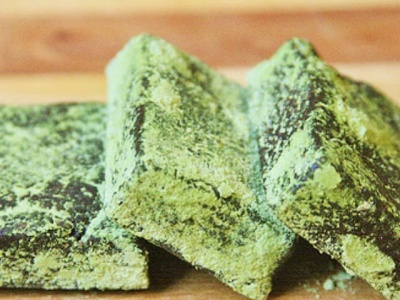
To learn more about acid-base balance and the role of alkalizing foods in daily nutrition, check out our alkaline, acidifying, and acidic foods dossier. To explore other uses of barley grass in cooking, see our 3 recipes to enjoy the benefits of barley grass and the surprising no-bake raw cacao and barley grass brownie recipe.
Precautions and Contraindications
Transient effects at the start of the treatment. Chlorophyll and plant fibers can cause temporary diarrhea, bloating, or mild headaches in some people during the first few days. This is sometimes referred to as a Herxheimer reaction. The solution is simple: reduce the dose of barley grass, increase it gradually, and drink more water throughout the day. To support the liver during the treatment, see our 8 health tips for taking care of your liver.
Celiac disease. Barley grass is harvested young, before heading, at a stage where the plant theoretically contains very little or no gluten. In case of diagnosed celiac disease, still request a certified gluten-free product or avoid it as a precaution.
Grapefruit and medications. Documented interaction with statins, immunosuppressants, vitamin K antagonists, and calcium channel blockers. Seek advice from your doctor or pharmacist.
Pregnancy and breastfeeding. As a precaution, seek medical advice before any regular supplementation with barley grass.
Children. Adjust portions to about one-third of the adult dose for a child from 6 years old. For additional information on uses and precautions, you can consult the MedicineNet page on barley grass.
Frequently Asked Questions
What are the benefits of the barley grass smoothie?
This smoothie combines the chlorophyll and minerals of barley grass with the vitamin C and bioflavonoids of citrus fruits (grapefruit, lemon, lime), the polyphenols of fresh coriander, the iron and folates of spinach, as well as the monounsaturated fats and vitamin E of avocado. It contributes to the daily intake of antioxidants, supports natural elimination functions, and improves the absorption of non-heme iron from green leaves thanks to the vitamin C from citrus fruits.
How many times a week can you drink this smoothie?
For a detox treatment, count 3 to 5 glasses per week for 21 days. For regular use, a daily glass is possible if digestive tolerance is good. For a first introduction to barley grass, start with 1 teaspoon of powder the first week and then gradually increase to 1 tablespoon.
Does barley grass contain gluten?
Barley grass is harvested before heading, at a stage where the plant theoretically contains very little or no gluten. In case of diagnosed celiac disease, request a certified gluten-free product or avoid it as a precaution. People who are simply sensitive to gluten generally tolerate barley grass powder well in small quantities.
Is grapefruit dangerous with certain medications?
Yes, grapefruit interacts with many medications including statins, immunosuppressants, vitamin K antagonists, and calcium channel blockers. If you are undergoing treatment, seek advice from your doctor or pharmacist before incorporating grapefruit into your daily routine. You can also replace it with a sweet orange in the recipe.
Can barley grass powder be replaced with fresh juice?
Yes, you can replace 1 tablespoon of powder with about 30 ml of fresh barley grass juice, or with 1 tablespoon of dehydrated barley grass juice. Fresh juice offers a more complete enzyme profile, but the powder is much more convenient for daily use and has a long shelf life. Both forms provide the essential nutritional benefits.
What are the side effects of barley grass?
The most common transient effects at the start of a regimen are temporary diarrhea, bloating, or mild headaches. These are due to the significant intake of chlorophyll and fiber. Simply reduce the dose, increase gradually, and drink more water. In cases of thyroid disease, pregnancy, breastfeeding, or anticoagulant treatment, medical advice is necessary before any regular supplementation.
In practice: the opinion of Eric Viard, ISTOM
“When I offer this smoothie to taste during training, it's almost always the fresh cilantro that surprises people — pleasantly. Three citrus fruits instead of one, an aromatic herb instead of a banana, and the barley grass powder added last just before blending: these are the three little steps that make the difference between an ordinary green smoothie and a truly balanced detox drink. With Aurélie, we included several variations of barley grass smoothies in the work that led to Algae Daily — it's a family of drinks that deserved dedicated time. The golden rule I always remind: start slowly, with a teaspoon, and listen to your body.” — Eric Viard, founder of Biovie.
Update: April 2026. Article validated by Éric Viard, founder of Biovie and ISTOM engineer, co-author of “Algae Daily” (Gallimard, 2024) — Best Cookbook in the World, Gourmand Cookbook Awards 2025, and Best Cookbook in France, National Culinary Academy 2025.
Disclaimer: The information presented in this article is provided for informational purposes and does not constitute medical advice. Consult a qualified healthcare professional before making any significant changes to your diet or supplementation. As part of a varied and balanced diet and a healthy lifestyle.
Find all our organic ingredients for living food at https://www.biovie.fr/en/