
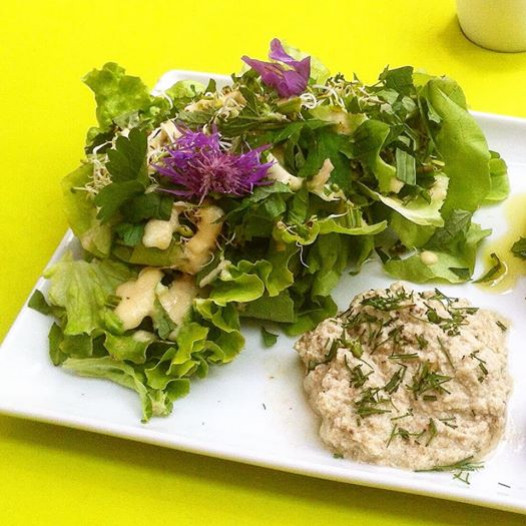

You are looking for a alternative to classic hummus, sunflower without chickpeas and 100% plant-based? Sunflower hummus is the answer. Made from soaked or sprouted sunflower seeds, this raw spread concentrates the benefits of theliving food in a creamy and flavorful bowl. Rich in vitamin E, magnesium, and plant-based proteins, sunflower hummus finds its place on the tables of raw food enthusiasts as well as food lovers seeking healthy and easy recipes.
Why prepare sunflower hummus ?
Traditional chickpea-based hummus is not suitable for everyone. Legume allergies, digestive difficulties, or simply the desire to vary flavors: there are plenty of reasons to look for an alternative. Sunflower seed hummus meets all these expectations.
Unlike chickpeas, which require prolonged cooking, sunflower seeds are prepared no-bake. Simply soak them and then blend them. The result? A creamy spread with a subtle hazelnut flavor, perfect as a vegan spread on bread, as a dip with raw vegetables, or as a sauce base for your bowls. It's one of the simplest and most nutritious recipes of theraw food.
The nutritional benefits of sunflower seeds
Sunflower seedsHelianthus annuus) are among the most nutritionally interesting oilseeds. According to data from the Ciqual table of ANSES, for 100 g of shelled seeds:
- Vitamin E: 42.3 mg (which is more than 350% of the recommended daily intake)
- Magnesium: 325 mg (87% of the RDI)
- Proteins: approximately 20 g
- Phosphorus: 660 mg
- Zinc: 5 mg
- Fiber: 8.6 g
- Energy: 653 kcal
A concentrate of vitamin E and magnesium
Vitamin E is a powerful antioxidant that helps protect cells against oxidative stress. According to a review published in PubMed Central, The bioactive compounds in sunflower seeds exhibit significant anti-inflammatory and antimicrobial properties. Magnesium, on the other hand, is involved in more than 300 enzymatic reactions in the body, including muscle relaxation and the regulation of the nervous system.
An interesting protein profile for vegans
With approximately 20 g of protein per 100 g, sunflower seeds are a valuable source of plant-based protein. Combined with whole grains or sprouted seeds, they contribute to a complete supply of amino acids. A recent scientific review confirms that regular consumption of sunflower seeds contributes to cardiovascular health due to their richness in polyunsaturated fatty acids.
Raw Sunflower Hummus Recipe
This sunflower hummus recipe is prepared entirely no-bake. It thus preserves the enzymes and nutrients sensitive to heat, in the spirit of raw food.
Ingredients (for 4 people)
- 1 cup (150 g) of organic sunflower seeds for sprouting, soaked for 8 hours
- 2 tablespoons of fresh lemon juice
- 2 tablespoons of extra virgin olive oil
- 1 small clove of garlic (optional)
- 1 teaspoon of ground coriander seeds
- 1 teaspoon of caraway seeds
- 80 ml of filtered water (adjust according to desired texture)
- Salt and pepper to taste
Step-by-step preparation
- The day before : Place the sunflower seeds in a glass jar and cover them generously with filtered water. Let them soak for 8 hours (overnight).
- D-Day : drain and rinse the seeds thoroughly under clear water.
- Place the drained seeds in a blender or a powerful food processor.
- Add the lemon juice, olive oil, garlic, spices, and half of the water.
- Blend at high speed for 2 to 3 minutes, scraping the sides if necessary.
- Gradually add the rest of the water until you achieve the desired consistency: thick for spreading, more fluid for a dip.
- Adjust the seasoning with salt, pepper, and lemon.
- Serve immediately or keep chilled.
Tips for a perfect texture
The secret to creamy sunflower hummus lies in the prolonged soaking seeds. A minimum of eight hours allows the seeds to fully hydrate and blend into a smooth cream. If your blender is not powerful enough, add a little more water and blend in several batches. A dash of lemon at the last moment prevents oxidation and maintains a nice light color. For an even more digestible version, let the seeds sprout for 12 to 24 hours after soaking.
Gourmet Variations
Sunflower hummus lends itself to many variations. Here are three ideas to vary the pleasures throughout the seasons:
- Sunflower Beet Hummus : add 50 g of grated raw beetroot at the time of mixing for a bright pink color and a natural sweet touch.
- Sunflower hummus with fresh herbs : incorporate a handful of fresh basil, parsley, or cilantro for a fragrant green hummus, perfect for summer.
- Sunflower-Turmeric Hummus : a teaspoon of freshly grated turmeric brings its golden color and anti-inflammatory properties. Add a pinch of black pepper to activate the curcumin.
These variations fit perfectly into a repertoire of easy raw recipes to share with family.
How to soak and sprout sunflower seeds
Soaking sunflower seeds is not just a matter of texture: it is a key nutritional step. By immersing the seeds in water for 8 hours, you activate the natural enzymatic process that:
- Reduces phytic acid (an anti-nutrient that limits the absorption of zinc and iron)
- Increase the bioavailability of vitamins and minerals
- Significantly improves digestibility
- Initiate the transformation into "living" food in the sense of living nutrition.
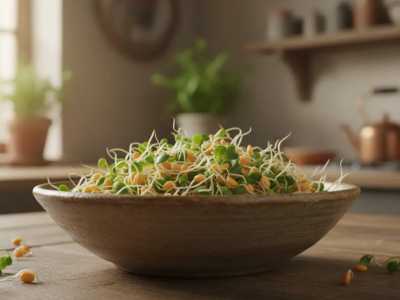
To go further, you can do sprout the seeds after soaking. Drain them, place them in a sprouter or a jar covered with a cloth, and rinse them morning and evening for 12 to 24 hours. You will obtain small sprouts that multiply the enzyme and vitamin content. Discover our Tips for choosing your sprouted seeds and succeed in your germination.
Conservation and daily use
Homemade sunflower hummus keeps 3 to 4 days in the refrigerator in an airtight glass container. A drizzle of lemon juice on the surface slows down oxidation. For longer preservation, you can freeze it in individual portions for 1 to 2 months.
Some ideas for incorporating it into your meals:
- As a spread on whole grain bread, raw crackers, or rice cakes
- Dip for raw vegetable sticks (carrots, cucumber, celery, bell pepper)
- As a sauce for your Buddha bowls and composed salads
- As a topping for raw wraps or nori sheets
- In a creamy vinaigrette base (diluted with a bit of water and apple cider vinegar)
Precautions and contraindications
Sunflower seeds are well tolerated by the vast majority of people. However, a few precautions should be mentioned:
- Allergy : Although rare, sunflower seed allergy does exist. People allergic to sunflower pollen or nuts should be cautious of possible cross-reactions.
- Quantity With 653 kcal per 100 g, sunflower seeds are calorically dense. A portion of 30 g per day (about 2 tablespoons) is a reasonable consumption.
- Digestion : in case of excessive consumption, bloating or gas may occur due to the high fiber content. Pre-soaking alleviates these discomforts.
As part of a varied and balanced diet and a healthy lifestyle. Consult a healthcare professional if in doubt.
FAQ — Sunflower Hummus
Is it good to eat sunflower seeds ?
Yes, sunflower seeds are excellent for health. They are rich in vitamin E (42.3 mg per 100 g, which is more than 3 times the recommended daily intake), magnesium (325 mg), and plant proteins (~20 g). According to Ciqual data from ANSES, they are among the foods richest in antioxidants. A moderate consumption of 30 g per day contributes to cardiovascular health and the proper functioning of the nervous system.
Can sunflower seeds be used instead of tahini in hummus ?
Absolutely. Finely blended sunflower seeds produce a creamy butter that perfectly replaces tahini (sesame paste). This alternative is ideal for people allergic to sesame and offers a milder and slightly sweet taste. Simply blend soaked seeds with a drizzle of olive oil to achieve a smooth consistency. This is, in fact, the very principle of sunflower hummus.
What are the side effects of sunflower seeds ?
In cases of excessive consumption, sunflower seeds can cause digestive issues (bloating, gas) due to their high fiber and fat content. People allergic to sunflower pollen may experience a cross-reaction. Their high caloric density (653 kcal per 100 g) requires moderate consumption, ideally 30 g per day.
How long to soak sunflower seeds ?
For optimal sunflower hummus, soak the seeds in filtered water for 8 hours (overnight). This soaking activates the enzymes, reduces phytic acid, and improves the digestibility and bioavailability of nutrients. To go further, you can let them sprout for an additional 12 to 24 hours after draining, in a sprouter or a jar covered with a cloth.
Is sunflower hummus suitable for people allergic to chickpeas ?
Yes, sunflower hummus is an excellent alternative for people who are allergic or intolerant to chickpeas and legumes in general. Sunflower seeds belong to the aster family, which is different from the fabaceae family (chickpeas, lentils). However, check for any cross-allergy with sunflower pollen before consumption.
In practice: the opinion of Eric Viard, tropical agronomist engineer
"Sunflower hummus is one of those recipes that we prepare all year round at home. As an agronomist and a passionate advocate of raw food for over 33 years, I am convinced that soaked and sprouted seeds are one of the pillars of a healthy diet. The sunflower seed is particularly interesting: accessible, economical, rich in nutrients, and highly versatile in raw cuisine. In our book 'Seaweed for Everyday Use,' which was awarded the Gourmand World Cookbook Award and the National Academy of Cuisine Prize, Aurélie and I explore this culinary philosophy that places the vitality of food at the heart of the plate." — Eric Viard, founder of Biovie.
Update: April 2026. Article approved by Éric Viard, founder of Biovie and engineer ISTOM, co-author of " Seaweed in everyday life "(Gallimard, 2024) —" Best cookbook in the world, Gourmand Cookbook Awards 2025, and Best cookbook in France, National Academy of Cuisine 2025.
Warning: The information presented in this article is provided for informational purposes only and does not constitute medical advice. Consult a qualified healthcare professional before making any significant changes to your diet or supplementation. As part of a varied and balanced diet and a healthy lifestyle.
Find all our organic ingredients for raw food on https://www.biovie.fr/en/