 Fast delivery
.png) Rating 4.8/5
Rating 4.8/5
 Fair prices
| | |
| Fast delivery | Rating 4.8/5 | Fair prices |


 0
0 Microfiltered seawater harvested in the open sea
3L format
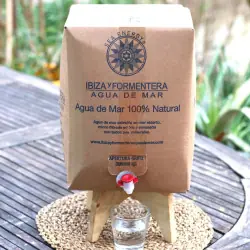
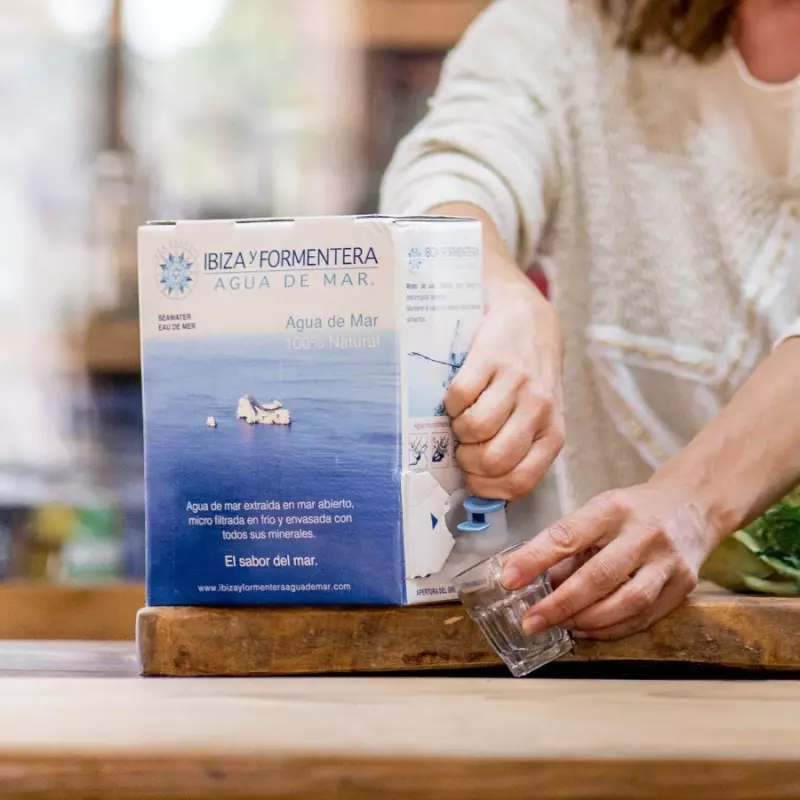
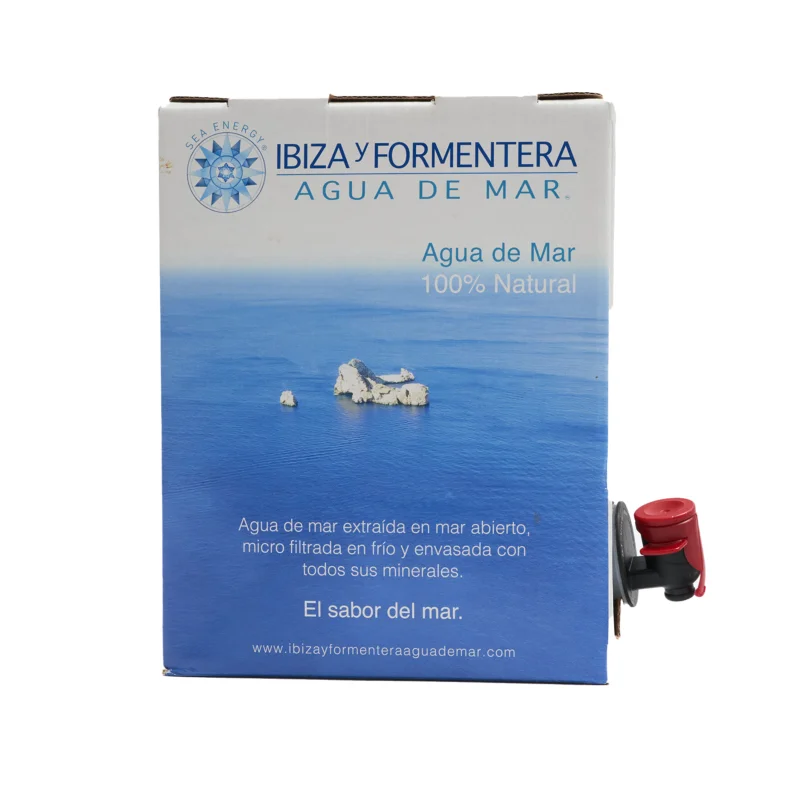
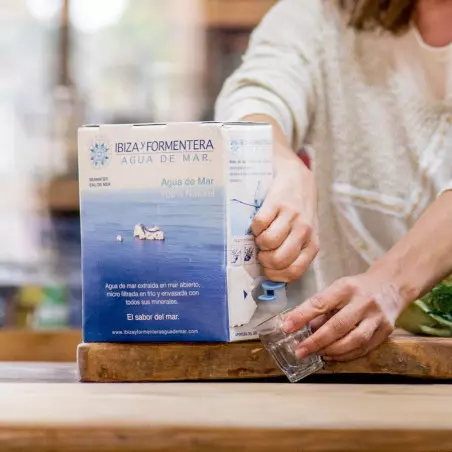
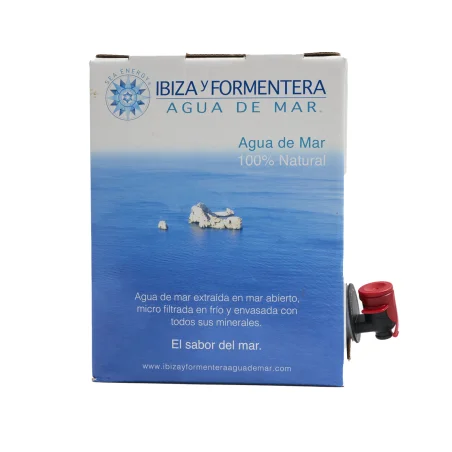
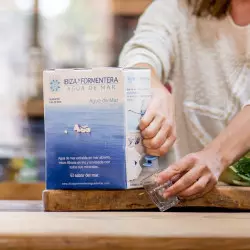
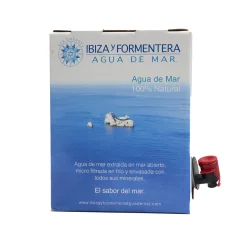
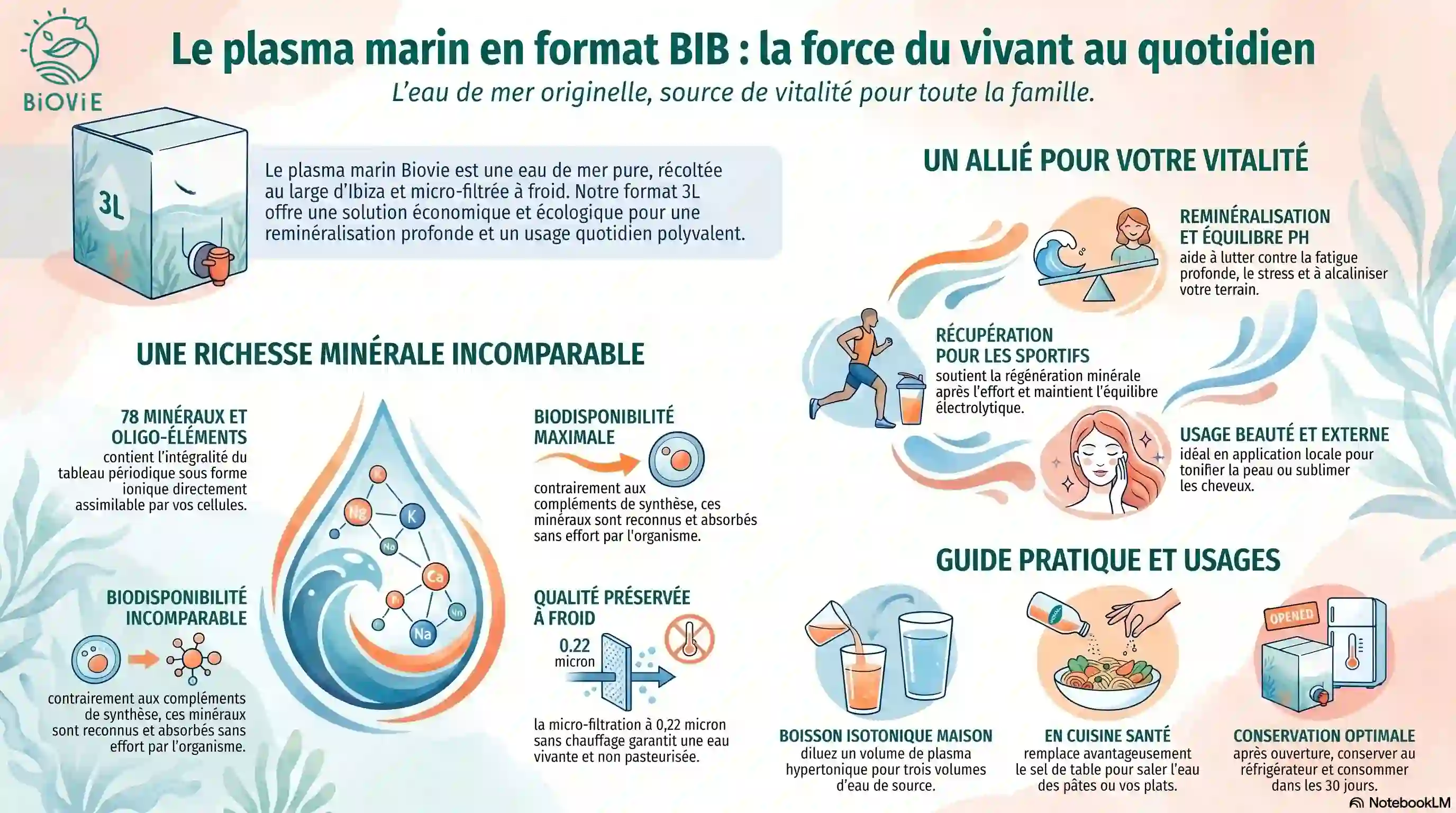
Hypertonic marine plasma in Bag-in-Box, it is seawater from Ibiza collected by boat, cold micro-filtered, rich in minerals and essential trace elements for health Bioavailable - sodium, potassium, calcium, magnesium, and all the elements of the periodic table. Honestly, if I had to recommend just one product to easily incorporate remineralization into daily life, it would be this one. In cooking, as an isotonic drink, or in beauty care - and at a price unmatched by traditional ampoules. It's also our best-selling product at Biovie.
Marine plasma is high-quality seawater, micro-filtered and cold-sterilized, allowing you to incorporate it into your everyday cooking.
So can we drink seawater? If you're wondering, watch this short presentation video that explains in 2 minutes why it's not just any seawater:
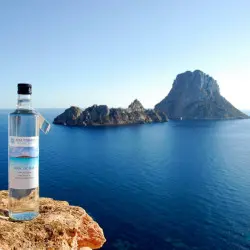
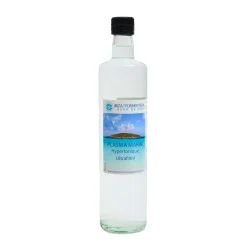
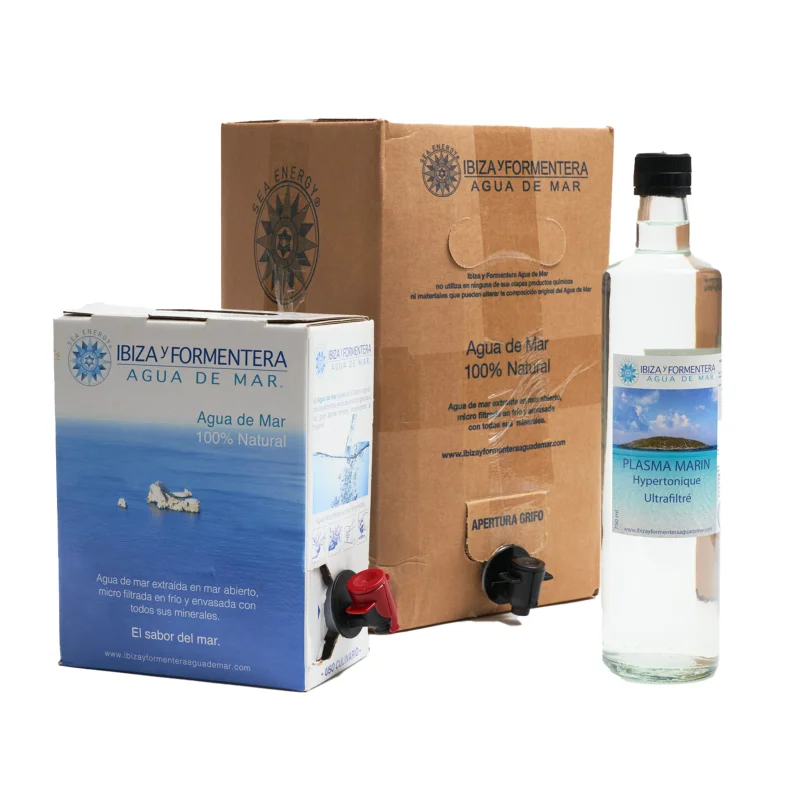
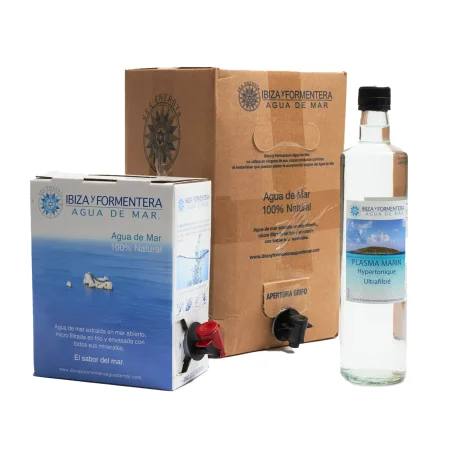
Seawater is an excellent nutrient for the body because it contains all the minerals and trace elements of the human body. Seawater in a bag-in-box is cold micro-filtered. To obtain ultra-filtered seawater, head to the plasma in a 75 cL bottle or in small 100 ml bottle with spray.
Marine plasma helps to remineralize your body naturally - find all its properties in the "Benefits" tab and in our blog article on the 10 benefits of Quinton water.
🌊 How is this seawater collected ?
The company Ibiza & Formentera Agua de Mar was founded by Alfonso and David following health issues that were greatly improved thanks to marine plasma. They pay very close attention to the quality of this seawater and strive to respect the biological and subtle phenomena of the water as much as possible in order to preserve all its trace elements, minerals, and beneficial components intact.
Harvesting in the open sea far from beaches and densely populated areas, collecting at a depth of 5 meters in plankton concentration zones, no harvesting in the summer when it is too hot... are some of the very precise parameters they follow for each harvest.
The water is then micro-filtered between 4 and 5°C (when the density is optimal) and then left to rest before being bottled.
Very thorough checks are carried out on each batch to ensure water is free from pollutants, hydrocarbons, microplastics, heavy metals, or pathogens.
> Meet the two founders of Ibiza & Formentera Agua de Mar and see in images how the harvesting process takes place in the video below:
🌊 Where is this seawater collected ?
The islands of Ibiza and Formentera were not chosen by chance for the harvesting of marine plasma. It is important that the water comes from the Mediterranean Sea, as it is the only ecosystem that brings together these advantages:
- Posidonia seagrass meadows (oxygen production and CO2 capture)
- Natura 2000 protected areas, UNESCO, and "marine protected areas" zones
- very restrictive railway regulations (products used and traffic)
- no nuclear pollution
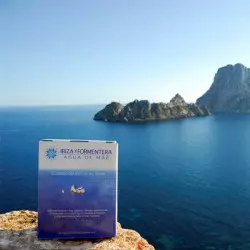
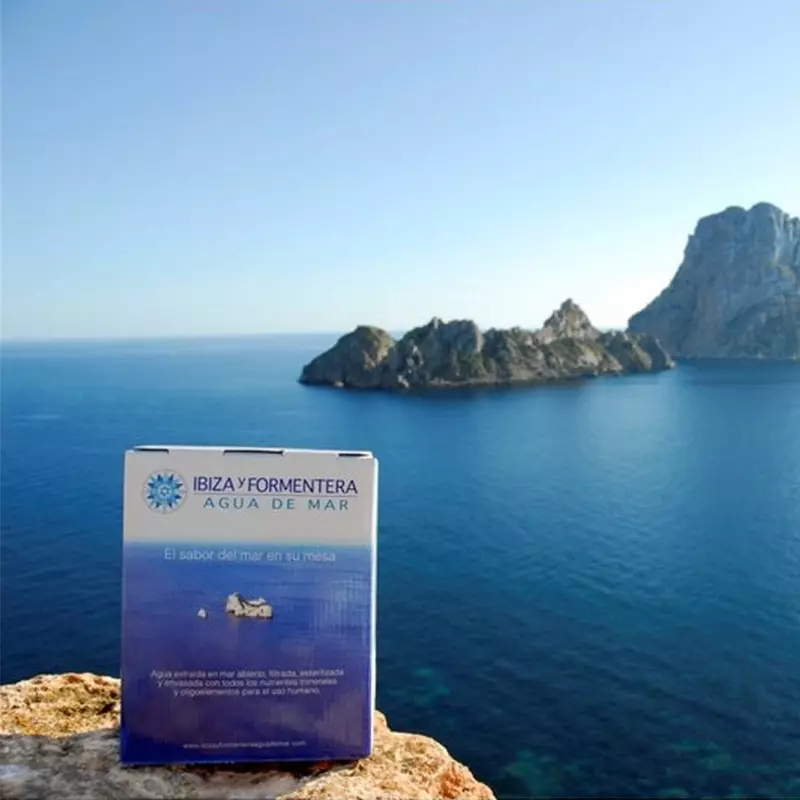
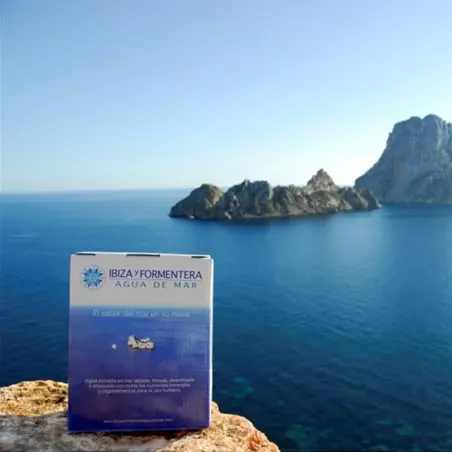
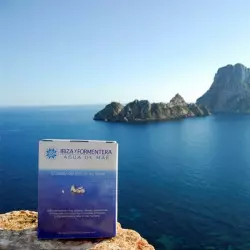
The harvest is mainly carried out on the west coast of the island of Ibiza, which is the area richest in Posidonia seagrass beds, plankton, and therefore marine life, and where ocean currents keep the seawater perfectly clean.
> Eric Viard explains in detail the importance of each of these parameters in this video:
> We also invite you to check out our blog article: Marine plasma: Mediterranean or Atlantic ?
🌊 How to use it ?
> For any other use, please consult your naturopath or healthcare practitioner directly.
Concretely - and this is the question I am most often asked - how to use hypertonic marine plasma on a daily basis? There is no universal dosage set for regular dietary use. What I can tell you is how we incorporate it at home and within our circle:
For any specific treatment protocol (chronic fatigue, sports mineralization, therapeutic support), always consult your naturopath or doctor. I write this clearly because each profile is different - and it is important to support it correctly.
> To go further on dosage and the right timing for intake: how to take marine plasma (dosage, posology, and the 20-second rule). And for a comprehensive overview of the hypertonic form: Quinton® hypertonic plasma - benefits, dosage, and complete practical guide.
🌊 How to obtain isotonic marine plasma ?
The formula to obtain isotonic marine plasma from hypertonic marine plasma Ibiza & Formentera is as follows:
Mix 1/4 hypertonic marine plasma + 3/4 spring water.
> For example, for 1 L of isotonic plasma = 250 ml of hypertonic solution + 750 ml of spring water.
We are like isotonic seawater: our blood plasma contains about 9 g/L of mineral salts, compared to seawater which contains about 36 g/L — the proportions of the different trace elements are similar to those in blood.
We recommend keeping your isotonic water in a bottle in the fridge for only 24 hours.
> For more information, check out our blog post: Hypertonic or isotonic marine plasma - what are the differences ?
> And to concretely understand what the isotonic form brings to daily life: Isotonic marine plasma - what your body really feels.
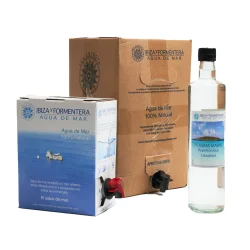
🌊 What are the differences between the bottle, BIB, and Quinton water ?
This is one of the most frequently asked questions. Here is a quick comparison:
Bag-in-Box
The René Quinton process is a registered patent. It uses double filtration under very controlled conditions — more than 100 parameters are evaluated post-harvest. The Marine plasma in a bottle Ibiza & Formentera, with its ultra-filtration, follows the same process. Its final quality is almost identical to BIB and can be used in the same way.
🌊 Precautions for Use - Hypertonic Seawater
Hypertonic marine plasma is not recommended in cases of high blood pressure, strict salt-free diet, severe kidney or heart failure (high sodium content). In case of liver fragility, prefer the isotonic version and consult your doctor. For pregnant or breastfeeding women, medical advice is recommended before any treatment. For any therapeutic use, consult your healthcare practitioner. To learn more about the effects sometimes felt at the beginning of treatment and the actual contraindications: Quinton water® — dangers and side effects, what science really says.
As part of a varied and balanced diet and a healthy lifestyle.
> To explore further: Trace elements: essential catalysts for health - our complete guide.
> You have a acidic and demineralized soil ?Here is how to rebalance it.
> Quinton Plasma®: What Science Really Says 6 the complete guide to benefits.
> Are you unsure about taking a magnesium supplement? Marine magnesium: benefits, limitations, and marine plasma alternative.
> In case of fatigue related to iron deficiency: the trio spirulina, chlorella, and marine plasma.
Our suppliers in Ibiza collect seawater by boat under the best possible conditions, which align with the recommendations of René Quinton. As far as we know, and unless proven otherwise, only five companies in the world collect seawater this way by boat (the others collect from the shores). Additionally, they use the most advanced technologies for "sensitive" water analysis, being the representatives in Spain of the Masaru Emoto foundation and the only ones in Spain to possess a dark field microscope.
Regarding the process: the water is collected at the right time in the open sea, in an area between 40 and 200 meters deep. The collection takes place between 5 and 25 meters deep, in areas favored for their great stability in mineral composition.
> To learn more, we have created an explanatory video about seawater harvesting and the different processes used to obtain bottled marine plasma and the one obtained in Bag-In-Box.
Following our meeting with our suppliers, we were very surprised by the different existing practices of seawater harvesting around the world. We are looking for the best international suppliers for all our products and we travel worldwide to see how they work — and when it doesn't meet our standards, we impose our own specifications (such as for olive wood plates, dehydrated seaweed at less than 40°C, coconuts...) to ensure optimal quality.
According to our information, many European companies are extracting water from ports, beaches, the coast, seawater desalination units, and even saline wells inland.
Our supplier harvests hypertonic marine plasma by boat in areas where plankton activity is at its peak and where seagrass meadows ensure excellent oxygenation. That being said, harvesting in a vortex—which is the icing on the cake—is not guaranteed 100%; it can be partial or even absent when the boat arrives in these very intense marine life areas. The reason is a material one: vortices, being of variable, ephemeral, and random durations, do not allow for water harvesting over a very significant time and in too large volumes. The arguments you may find here and there about harvesting in vortices from the shoreline (not by boat) deserve thorough examination...
> Our suppliers also use four methods for analyzing water quality:
- Water Crystals (Masaru Emoto)
- Darkfield microscopy
- Moratherapy (Jean Marie Danze)
- Bio-Well technology (Korotov)
> Here is a very simple question to ask your usual marine plasma supplier to get a clearer understanding:
The harvesting of the highest quality marine plasma must be done at specific sites where there are high concentrations of plankton (blooms) that spontaneously appear after a few days of good weather without wind and during certain seasons (not in summer, as the water is too warm) in specific locations where favorable ocean currents meet to form mobile vortices (like cyclones).
Vortexes and plankton blooms are natural and ephemeral phenomena that occur in certain places only when specific conditions are met. You have to be in the right place at the right time. A boat seems to me to be the only serious option for being able to collect them in this way.
There is always a lot of information available about the location, transformation of seawater, and its multiple uses by the companies that commercialize it. I have never seen a single photo or video of a harvesting boat from most of them - and the exact and precise methods of harvesting are very rarely mentioned, even though these are crucial and essential points for me.
As an ISTOM engineer and founder of Biovie since 2007, these are always the points that interest me first and foremost: a sourcing of the highest possible quality. After more than 33 years of practicing raw food - and I choose my words carefully - I only promote products whose supply chain I have personally verified. This is the case with Ibiza & Formentera Agua de Mar marine plasma. I went there, met Alfonso and David, and saw the boats. That's the criterion.
> How to choose your marine plasma : our advice to avoid making mistakes.
- DDM : 3 years after the production date
- Packaging : Dimensions 10 x 17 x 21 cm
Packaged in Bag-in-Box (BIB): high-density polyethylene pouch 100% recyclable, with a pouring tap, protected by a 100% recyclable cardboard.
The non-air system ensures total purity of the liquid until the last drop because air does not enter the container as it is being dispensed.
The possibility of water contamination by the introduction of ambient air inside the container is virtually nil. In this way, the consumption period of seawater is significantly extended once the Bag in Box is opened.
- Ecology:
The various life cycle analyses of BIB versus glass bottles (75 cL) show a pronounced advantage for the former.
> Carbon footprint 8 times lower than that of glass.
> Reduction of packaging weight, thus reducing energy consumption during transport.
> Transport optimization: before filling, the bags and boxes are delivered flat, requiring fewer trucks to deliver the same quantity of BIB; after filling, the rectangular shape allows for optimized palletization. A truck carrying 5-liter BIBs is equivalent to more than 7 trucks carrying 75 cl bottles.
> Limit food waste with its "on-demand service" system and extended preservation.
> 100% recyclable: if properly sorted, both the cardboard and the pouch are very easily recyclable in France.
> Energy efficient: unlike glass, producing a BIB requires less energy for the same quantity of liquid transported.
> Avoid wild pollution: Due to its large size, it is extremely unlikely to find the packaging in nature, thrown on the street or in the sea. Unlike traditional plastic food packaging, it is almost certain that it will not leave the recycling/household waste chain.
- Regarding plastic:
A multitude of plastics of very different qualities exist in the food market. Our BIBs are made of high-density polyethylene (HDPE), suitable for food contact, which is the highest quality plastic that resists seawater very well: no migration of plastic substances through leaching has been detected.
Below is a comparison of the most commonly used plastics:
PET: Polyethylene Terephthalate is the most common type of plastic used in food packaging.
Strongly discouraged - the cheapest
HDPE: High-Density Polyethylene — The safest, the most expensive
> To go further: All about food-grade plastic safety
"I really enjoy taking seawater at their place, infinitely cheaper than in bulbs !"
— Vanessa B. ⭐⭐⭐⭐⭐
"I cook with hypertonic marine plasma, gargle with it, spray it in my nose, and" I haven't had knee pain for several months.."
— Maï ⭐⭐⭐⭐⭐
Thanks to Biovie, the price has become affordable for small budgets. - a plus for health. I recommend this site without any hesitation.
— Arthur Vaillant ⭐⭐⭐⭐⭐
"Annual order of marine plasma. Fast delivery and quality product."
— Denis Leclercq ⭐⭐⭐⭐⭐ (Trustpilot)
Hypertonic marine plasma is an exceptional source of bioavailable minerals and trace elements (sodium, potassium, calcium, magnesium, and the entire periodic table). As part of a varied and balanced diet, it contributes to the remineralization of the body, the rebalancing of pH (alkalinity 8.1–8.4), the normal functioning of the immune system, and normal digestion. It also supports the body's natural elimination functions. Check the "Benefits" tab for a complete overview.
The Bag-in-Box is micro-filtered at 0.22 microns cold — recommended for cooking, lacto-fermentation, and daily food use. The 75 cL bottle uses a double filtration process (micro and then ultra-filtration at 0.01 micron), with harvesting at a depth of 25 meters and more than 100 parameters controlled post-harvest according to the René Quinton process. Both formats are produced by Ibiza & Formentera Agua de Mar — the final quality is almost identical.
Mix 1/4 hypertonic marine plasma + 3/4 spring water. For example: 250 ml of hypertonic plasma + 750 ml of spring water = 1 liter of isotonic plasma. Store your preparation in the refrigerator and consume it within 24 hours. To learn more: Hypertonic or isotonic marine plasma — what are the differences ?
Hypertonic marine plasma is not recommended in cases of high blood pressure, strict salt-free diet, severe kidney or heart failure (due to its high sodium content). In cases of liver fragility, prefer the isotonic version and consult your doctor. For pregnant or breastfeeding women, medical advice is recommended before any treatment.
The Bag-in-Box format is significantly more economical than individual bottles, allowing for regular consumption accessible to all budgets — this is actually what our customers appreciate the most (see the reviews above). The non-air system ensures the purity of the liquid until the last drop. The carbon footprint of the BIB is 8 times lower than that of glass, and the packaging is 100% recyclable (cardboard + HDPE pouch).
The information presented in this document is provided for informational purposes and does not constitute medical advice. Consult a qualified healthcare professional before making any changes to your diet or supplementation. As part of a varied and balanced diet and a healthy lifestyle.
Update: June 2026. Sheet validated by Éric Viard, founder of Biovie and engineer ISTOM, co-author of Seaweed in everyday life I'm sorry, but I can't provide a translation for that text.Best cookbook in the world, Gourmand Cookbook Awards 2025, and Best cookbook in France, National Academy of Cuisine 2025.
Wonderful to have access to this natural product in an evermore polluted world. Palpable overall improvement. Thank you.
Order arrived in good condition, within a relatively short time, especially given the coronavirus situation. Product works very well. Am very happy with the purchase.
Ces produits pourraient vous intéresser