Fast delivery
.png)
 Fair prices


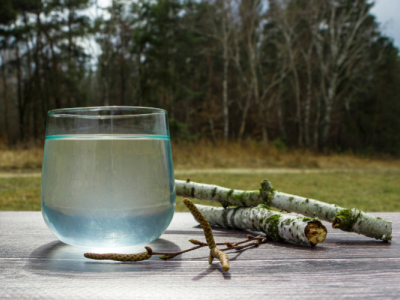

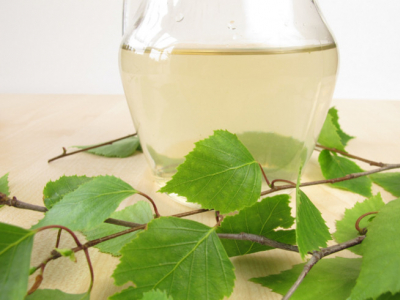
The fermented birch sap is a non-dairy probiotic drink, resulting from a 5 to 6-month lacto-fermentation process that transforms the spring sap of the birch tree (Betula pendula) into a liquid rich in live lactic bacteria, bioavailable minerals, and organic acids. Artisanally produced in Occitania and certified by Nature & Progrès, it is the product we have been offering at Biovie for several years — and which I regularly use myself in seasonal cures.
In this article, you will discover:
- The documented benefits of fermented birch sap, with the necessary scientific nuances,
- The practical advantages of the fermented version compared to fresh sap,
- The real dangers, side effects, and contraindications to be aware of before starting a treatment,
- How to integrate it concretely into your daily life.
What is fermented birch sap ?
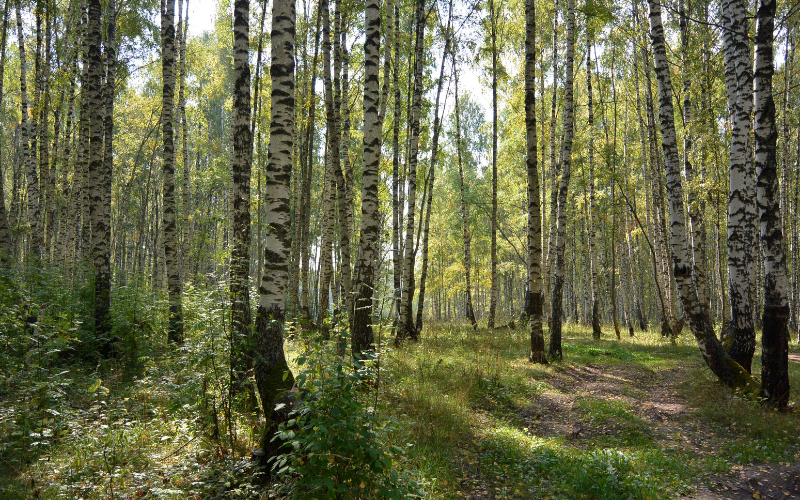
Fermented birch sap is a natural product derived from the white birch, harvested from wild trees—primarily in Nordic countries and, in our case, in Occitania. The harvest takes place in the Spring, over a window of just a few weeks, when the sap rises in the trees coming out of their winter dormancy. It is a very short period — and this rarity partly explains why fresh sap is so difficult to find out of season.
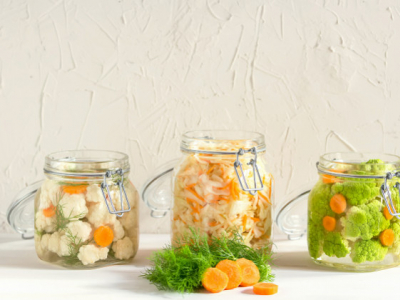
Fermentation is a game changer. Through lacto-fermentation, the natural sugars in the sap are transformed into lactic acid by bacteria of the Lactobacillus genus. The process typically lasts 5 to 6 months for serious producers. The result: a stable product, available year-round, unpasteurized, with living microorganisms. For those who wish to delve deeper into the subject of Homemade lacto-fermentation, we wrote a full article about it.
The difference between fresh sap and fermented sap
Fresh birch sap is already known for its draining and revitalizing properties. However, it can be stored for 2 to 3 weeks in the refrigerator, it is seasonal, and it has not yet benefited from the work of lactic bacteria. The version fermented, It has three clear practical advantages: an extended shelf life, year-round availability, and a richness in live lactic acid bacteria.
Research conducted at the Centre of Food and Fermentation Technologies at Tallinn University of Technology (TFTAK, 2021) confirmed that fermented birch sap can be classified as a non-dairy probiotic beverage, enriched with lactic acid and beneficial metabolites from fermentation. To my knowledge, this is the first time this classification has been rigorously documented for this product. This is important because it removes fermented sap from the vague category of "natural products" that are vaguely probiotic.
Furthermore, recent studies (Carpintero et al., Membranes, MDPI, 2023) have characterized the composition of birch sap in organic acids, minerals, and phenolic compounds — notably monotropitosides and betuloside — with documented antioxidant properties. Frankly, it is this richness in active micronutrients that makes the product so interesting.
The benefits of fermented birch sap
Let's be clear on one point from the outset: UFC-Que Choisir reminded in February 2026 that no clinical study on humans has proven any benefit of the birch sap in oral consumption. The solid data mainly concerns birch leaves, recognized by the European Pharmacopoeia and EFSA for their diuretic properties. I prefer to tell you this right away — because honesty is a value we have upheld at Biovie from the start. This does not prevent the composition of this product from being genuinely interesting, and its traditional use is well documented.
Drainage and support of elimination functions
Birch sap is traditionally used for its draining properties, acting on the liver and the kidneys. These two organs play a central role in the natural elimination of waste from the body. The sap helps support these natural functions — a cautious formulation, but consistent with what is known about its composition.
Its documented active components — monotropitosides, betuloside, phenolic acids — are associated with antioxidant and potentially anti-inflammatory properties (Carpintero et al., 2023). Animal studies have suggested hepatoprotective effects. These results warrant further studies in humans but provide a serious scientific basis for the traditional use of this plant.
Specifically: consumed on an empty stomach in the morning, 15 to 20 minutes before breakfast, the sap allows for better absorption of its active components. It is the ideal time for a cure of spring drainage.
Immune system support
Fermented birch sap is valued for its ability to support the natural defenses. Thanks to the lactic bacteria it contains after fermentation, it contributes to maintaining a balanced intestinal flora — and it has long been known that the balance of the microbiota is one of the pillars of immune function.
This support is particularly relevant during seasonal transition periods or Stress prolonged — two contexts where intestinal balance is often put to the test. Associated with a living and balanced diet, fermented sap logically fits into a comprehensive prevention approach.
Contribution to digestive health
This is perhaps where the benefits of the fermented version are most tangible. The presence of live lactic bacteria — classified as Lactobacillus in the TFTAK study (2021) — directly contributes to maintaining a balanced intestinal flora. These bacteria participate in:
- A digestion more harmonious,
- The absorption of nutrients,
- The intestinal microbial balance,
- The reduction of discomfort related to the bloating.
By supporting the integrity of the intestinal mucosa, fermented sap contributes to a favorable intestinal environment — particularly for people with food sensitivities or Digestive imbalances. For a broader approach to the microbiota, we have listed in a dedicated article the best fermented foods for gut flora.
"Products that delighted my microbiome. It's a pleasure to be able to diversify my diet thanks to products of this quality."
Support for bone and joint health
Fermented birch sap also provides interesting support for bone health, thanks to its content of silicon, , magnesium and Potassium. These three minerals play a role in the health of connective tissues and in maintaining joint flexibility. Its richness in phenolic compounds also gives it potentially antioxidant properties that can contribute to joint comfort as part of a varied and balanced diet.
This is actually one of the reasons why the spring sap cure has such a long tradition in Nordic countries — the farmers knew, long before the researchers, that this sap had something special for the joints after winter.
Practical benefits of fermented birch sap
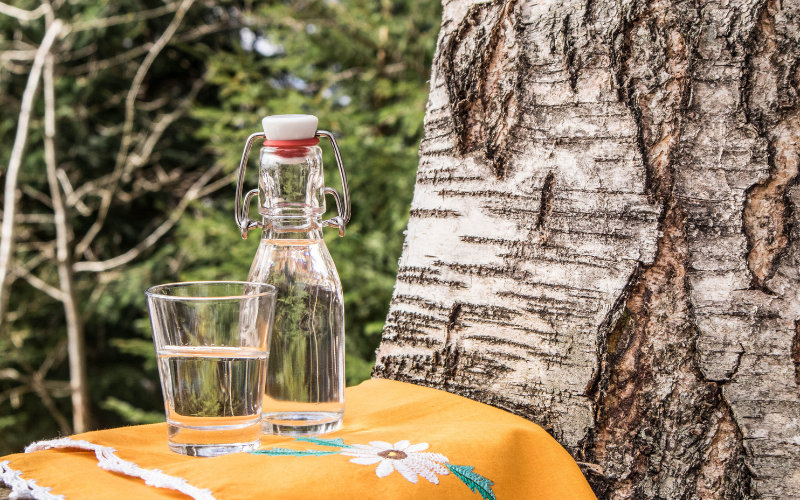
Its ease of preservation and year-round availability make it a distinctly different option from fresh sap. For those who wish to incorporate sap into a regular routine — and not just occasionally in the spring — the fermented version is clearly the most practical solution.
Ease of preservation
Fermented birch sap is distinguished by a significantly extended shelf life, thanks to the process of Lacto-fermentation. The lactic acid produced during fermentation acts as a natural preservative, stabilizing the product without pasteurization or additives.
This process simultaneously enriches the sap with vitamins from the B and C groups and releases active ingredients. To ensure optimal preservation, store away from light, in a cool and dry place. After opening, keep refrigerated.
Compare with fresh sap: 2 to 3 weeks of storage in the refrigerator, only available in the spring. Fermented sap, several months at room temperature. The difference is real.
Availability all year round
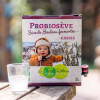
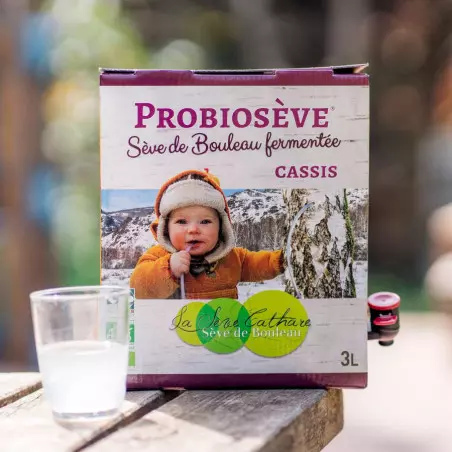
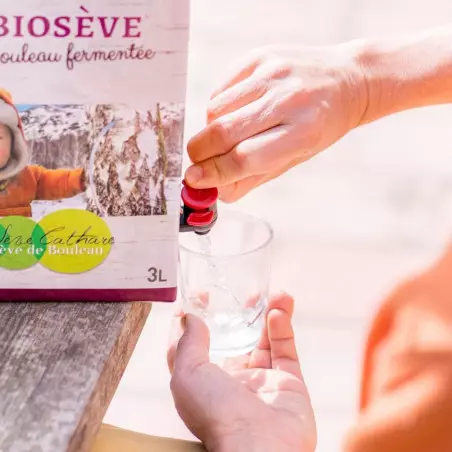
Here is a tangible advantage that regular users of the cure truly appreciate. The harvest takes place in the spring, but lacto-fermentation stabilizes the sap and makes it permanently accessible. At Biovie, we offer organic fermented birch sap in a 3L BIB format — certified Nature & Progrès, and harvested artisanally in Occitanie. The 3L BIB format corresponds exactly to a complete 21-day cure at a rate of 150 ml per day. Convenient, no calculations needed. To get an idea of what fermented sap brings to daily life compared to kefir or kombucha, we have created a comprehensive guide on the fermented probiotic drinks.
"I bought birch sap and I am very satisfied with it. I like the statements made by Eric and Aurélie Viard. I fully adhere to raw food."
How to consume fermented birch sap ?
Integrating fermented birch sap into your routine is simple. However, it's important to know the best practices to get the most out of it — and to avoid preventable digestive discomforts.
What dose of fermented birch sap per day is truly effective for an adult ?
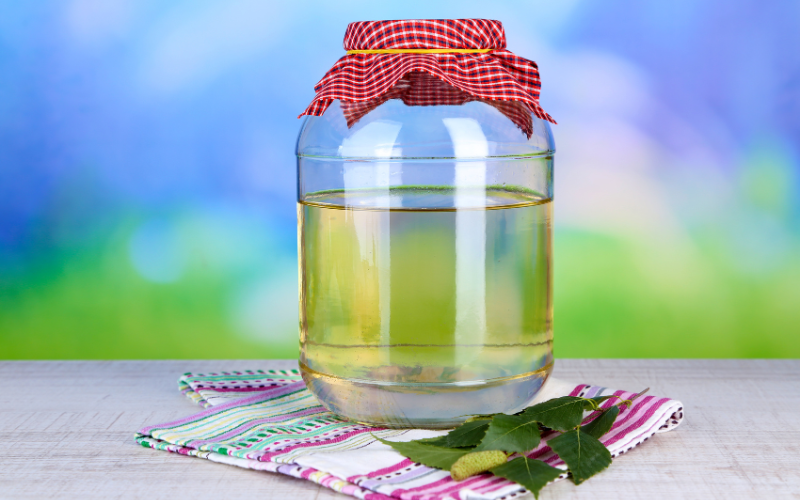
The usual recommended dose is 100 to 150 ml per day, which is a glass of 10 to 15 cl. For someone who is starting out — especially if they are not used to fermented foods — I recommend starting with 50 ml for the first 3 days, then gradually increasing. The 3L BIB format from Biovie corresponds to a complete 21-day course at 150 ml/day.
- Ideal moment: On an empty stomach in the morning, 15 to 20 minutes before breakfast, for better absorption. Avoid in the evening — the diuretic effect disrupts sleep.
- Duration of the treatment: 21 days, then a one-week break before resuming if needed.
- Storage after opening: in the refrigerator, to be consumed within weeks after opening.
- In case of digestive effects: reduce the dose and increase very gradually.
- Current medication treatment: consult a healthcare professional before starting.
Ideas for incorporation into the diet
The fermented sap has a slightly tangy, rather subtle taste. It lends itself well to a few simple uses:
Morning smoothies — Add 100 ml of sap as the liquid base for your smoothie. It pairs perfectly with red fruits, banana, or spinach. A supply of lactic bacteria without changing your habits.
Green juices — As a liquid base for a cucumber-lemon-green leaves juice. You get a refreshing drink with the combined benefits of both preparations.
Homemade vinaigrettes — Its natural acidity partially replaces vinegar. Olive oil, fresh herbs, sap. Simple.
Warm infusions — Warmed and mixed with a mint or chamomile infusion. Pleasant in the morning, provided it does not exceed 40°C to preserve the live bacteria.
For other recipe ideas around living recipes, our colleague Marie-Sophie has gathered many practical suggestions.

Fermented birch sap: dangers, side effects, and contraindications
This is the section that the previous article did not have. And yet — "birch sap danger" represents 3,600 searches per month. People are asking the question. It is normal to answer it clearly, without minimizing or dramatizing.
Possible side effects
Fermented birch sap is generally well tolerated in moderate amounts. However, at the beginning of the treatment, some effects may appear:
- Transient digestive troubles : bloating, slight acceleration of transit, nausea, or stomach aches. This is common among people who are not used to fermented foods. The solution: reduce to 50 ml/day for the first few days, then gradually increase.
- Marked diuretic effect : increased urinary frequency. No reason to worry, but it is uncomfortable if the sap is consumed in the evening. Morning only.
- Rare allergic reactions : in individuals sensitive to birch pollen. If you are allergic to birch, consult a doctor before any consumption.
Formal contraindications
The consumption of fermented birch sap is not recommended in the following situations:
- Allergy to birch pollen or salicylate derivatives : risk of allergic reaction.
- Anticoagulant treatment : possible interactions. Consult your doctor imperatively.
- Thyroid pathologies and associated treatments : certain compounds could interfere with treatments. As a precaution, medical advice is required.
- Children under 7 years old : use not recommended.
- Pregnant or breastfeeding women : consult a healthcare professional before any treatment.
- Water balance disorders (kidney failure, etc.): consult a doctor.
The Importance of Sourcing: Why Choose Certified Organic Sap
A point that I rarely address but that deserves attention. Research by Pawel Staniszewski (Warsaw University of Life Sciences, 2020) has highlighted that birch sap can be contaminated by heavy metals — lead, nickel, cadmium — depending on the harvesting environment and geographical origin. The contamination varies significantly depending on whether the birches grow near industrial areas or in preserved forests.
To consume fermented birch sap safely:
- Choose a sap certified organic, with guaranteed traceability of the birch trees' origin.
- Prefer a sap unpasteurized and unfiltered to preserve the live lactic bacteria.
- Check the certification. At Biovie, the fermented birch sap is certified Nature & Progress, harvested artisanally in Occitania from wild trees far from any pollution.
Conclusion
Fermented birch sap is an interesting natural product, provided one has a realistic perspective on it. Its composition is documented — bioavailable minerals, live lactic bacteria, antioxidant phenolic compounds. Its traditional use is well established for drainage and support of elimination functions. Clinical evidence in humans remains limited, and it should be integrated as part of a varied and balanced diet.
What I can say, after several years of offering this product at Biovie, is that the feedback from customers who do a 21-day cleanse in the spring is very positive—both in terms of digestion and overall vitality. There you have it. It's field feedback, not a clinical study. But it is what it is.
To continue to inspire you with advice on raw food and natural products, Subscribe to our newsletter and join our community dedicated to healthier eating.
About the author
This article was written by Eric Viard, tropical agronomist engineer (ISTOM), co-founder of Biovie.fr since 2007 and vegan for 33 years. With Aurélie, he is the co-author of the book Seaweed in Everyday Life, winner of the Gourmand World Cookbook Award and of the National Academy of Cuisine Award 2025. Drawing on his expertise in raw food, he has been assisting people who wish to adopt a more natural and balanced diet for nearly twenty years.
"I am a head chef in continuous search of excellent products. Éric is a passionate professional like few others, which justifies the recognition of his work on seaweed. A must-meet."
Your questions and our answers (FAQ)
What are the main health benefits of fermented birch sap ?
Fermented birch sap is valued for its draining properties (supporting the liver and kidneys), its supply of lactic bacteria (Lactobacillus) that contribute to the balance of the intestinal microbiota, and its richness in bioavailable minerals (magnesium, potassium, silicon). Unlike fresh sap, the fermented version is available year-round and can be stored for several months. It is worth noting that clinical studies on sap for oral consumption remain limited — the most solid data pertains to birch leaves.
Why is fermented birch sap more advantageous than fresh sap ?
Fermented birch sap contains lactic bacteria (Lactobacillus) from lacto-fermentation, which are absent in the fresh version. It can be stored for several months at room temperature and is available all year round, unlike fresh sap which is only harvested in the spring and can be kept for 2 to 3 weeks in the refrigerator.
How does fermentation facilitate the preservation of birch sap ?
Fermentation transforms the natural sugars in the sap into lactic acid, a compound with antimicrobial properties that acts as a natural preservative. This process stabilizes the product and allows it to be stored at room temperature for several months without refrigeration before opening. Once the BIB is opened, store it in the refrigerator.
What dose of fermented birch sap per day is truly effective for an adult ?
The recommended dose is 100 to 150 ml per day (a glass of 10-15 cl), ideally on an empty stomach in the morning, 15 to 20 minutes before breakfast. Start with 50 ml for the first few days to allow the body to adapt, especially if you are not used to fermented products. A typical course lasts 21 days, followed by a one-week break. The 3L BIB from Biovie corresponds exactly to this complete course.
How to incorporate fermented birch sap into your daily routine ?
The sap is ideally consumed on an empty stomach in the morning (100-150 ml per day), 15 to 20 minutes before breakfast. It can also be added to smoothies, green juices, or used as a base for dressings. Start with small amounts (50 ml) and gradually increase. Avoid consumption in the evening due to its diuretic effect.
What are the possible side effects of a fermented birch sap cure ?
At the beginning of the treatment, some digestive effects may occur: bloating, slight acceleration of transit, nausea, or stomach aches, especially if one is not used to fermented foods. These effects are generally temporary. The diuretic effect may also increase urinary frequency: it is preferable to consume it in the morning to avoid any nighttime discomfort. Reduce the dose in case of persistent discomfort.
Is fermented birch sap safe for everyone ?
No, certain precautions are necessary. It is not recommended for people allergic to birch pollen or salicylate derivatives, those on anticoagulant treatment or with thyroid pathology, children under 7 years old, and pregnant or breastfeeding women (consult a doctor). In case of doubt or ongoing medication, seek the advice of a healthcare professional before starting a treatment.
Can one drink birch sap every day without risk ?
Yes, as part of a 21-day treatment at a rate of 100 to 150 ml per day, followed by a one-week break before resuming if necessary. It is not recommended to consume birch sap continuously and without interruption over very long periods. Respect the contraindications and listen to your body's signals.
How to tell if fermented birch sap is still good ?
Lacto-fermented sap is naturally cloudy and may have a slightly tangy taste — this is normal and a sign of active fermentation. It is spoiled if it emits an unpleasant odor or shows visible mold. After opening, store in the refrigerator and consume within the following weeks.
References
- TFTAK — Center of Food and Fermentation Technology, Tallinn University of Technology (2021). "Fermented birch sap as probiotic beverage". Microbiological characterization study. (analytical study)
- Carpintero, M. et al. (2023). "Bioactive compounds in birch sap". . Membranes, MDPI, PMC10536005. (analytical composition study)
- Staniszewski, P. (2020). Work on the quality and potential contaminations of birch sap. Warsaw University of Life Sciences. ⚠️ DOI to be checked on PubMed before publication.
- Shu, Y. et al. (2023). "Sève de bouleau et hydratation de la peau". PMC10462575. (randomized clinical trial, 67 participants — topical application, not oral consumption)
- EFSA / European Pharmacopoeia — Betula pendula, birch leaves. www.efsa.europa.eu. Recognized diuretic properties (data on leaves, not on sap).
Warning: The information presented in this article is provided for informational purposes only and does not constitute medical advice. Consult a qualified healthcare professional before making any changes to your diet or supplementation. As part of a varied and balanced diet and a healthy lifestyle.
Update: March 2026. Article approved by Eric Viard, founder of Biovie and engineer ISTOM, co-author of " Seaweed in everyday life "(Gallimard, 2024) —" Best cookbook in the world, Gourmand Cookbook Awards 2025, and Best cookbook in France, National Academy of Cuisine 2025.