



In France, we consume on average 8.5 g of salt per day, while the World Health Organization recommends not exceeding 5 g. Excess sodium is one of the most well-documented cardiovascular risk factors in the world, and refined salt literally impoverishes our taste palette over the years. However, there is a simple, tasty, artisanal, and very ancient solution: replace part of the salt with a homemade mix of celery anddulse seaweed. This marine condiment delivers the same flavor punch with 60 to 70% less sodium, while providing iron, calcium, bioactive iodine, vitamin B12, and plant proteins. In this guide, I share with you the recipe I use at home, the precise measurements, the right granularity, storage tips, and five daily uses to sustainably replace salt in your cooking.
This recipe is an adaptation of one of the condiments we detail in our book. Seaweed in Everyday Life, published by Gallimard in 2024 — the first 100% vegan book to have won both the Gourmand World Cookbook Award 2025 and the Prix de l'Académie Nationale de Cuisine 2025. For a broader overview of edible seaweeds, also check our Complete guide to dulse, wakame, sea lettuce, and sea beans.
Why replace (part of) your salt with a celery-dulse seasoning?
According to theANSES, The average salt consumption in France exceeds 8 g per day for adults, well above the recommended threshold of 5 g by theWHO. This excess statistically contributes to high blood pressure, strokes, and chronic kidney diseases. Reducing salt intake without sacrificing taste is therefore one of the most cost-effective nutritional actions.
The celery naturally provides 127 mg of sodium per 100 g (source: Ciqual ANSES) accompanied by potassium, apiol, and 3-n-butylphthalide — two compounds studied for their role in vascular relaxation. Thedulse seaweed, she develops a taste smoky umami unique by containing only 2 g of sodium per 100 g, compared to 40 g in table salt. When mixed, these two ingredients create a powerfully aromatic condiment that can reduce sodium intake by up to 70% without losing flavor. For more practical tips, read our article on the Benefits and recipes of seaweed and microalgae.
Dulse, the Breton red seaweed that changes everything
Origins and habitat
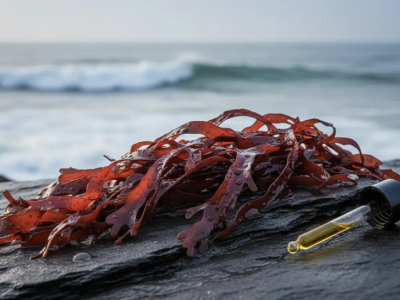
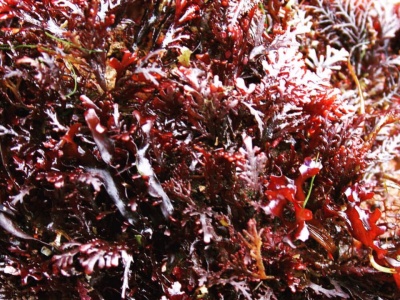
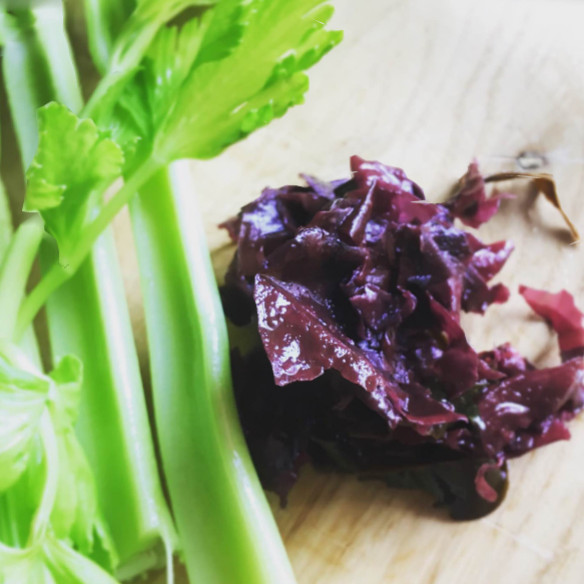
Thedulse seaweed (Palmaria palmata) is a red algae that grows on the coasts of the North Atlantic — Brittany, Ireland, Iceland, and the Canadian coasts of Nova Scotia. It is harvested at low tide, in spring and summer, on exposed rocks. In France, the Breton industry, particularly in Roscoff, continues a tradition of manual harvesting that respects the resource. To see the industry in images, watch our Video report at Bretalg in Roscoff.
Exceptional nutritional composition
According to the Ciqual table and the review published in PubMed in 2024https://pmc.ncbi.nlm.nih.gov/articles/PMC11595611/), dried dulse concentrates:
- 20 to 35% of plant proteins — as much as soy and with a more complete amino acid profile ;
- 247 mg of calcium per 100 g ;
- 13 mg of iron per 100 g ;
- of the bioactive vitamin B12, extremely rare in the plant world ;
- a variable iodine content (1,500 to 3,500 µg per gram depending on the batch) ;
- only 2 g of sodium per 100 g, which is 20 times less than fine salt.
To delve deeper into the protein richness of this algae, consult our article: Dulse seaweed contains as much protein as soy..
A unique umami taste: marine, smoky, nutty
Umami.umami. When you combine it with the earthy and slightly aniseed aromas of celery, you get a condiment with a rare depth of flavor, which some chefs even nickname "vegetable bacon" for its smoky notes after being pan-fried.
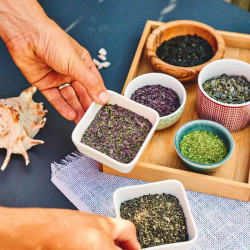
Celery, an underestimated vegetable-condiment
Before moving on to the recipe, a word about the second pillar of the mix. The celery (Apium graveolensIt exists in several forms: celery stalk, celeriac, and, especially for our preparation, the celery seeds. These concentrate the plant's aromas and contain three active compounds studied for their effects on vascular tone: apiol, limonene, and especially 3-n-butylphthalide. A study published in 2013 in the Journal of Medicinal Food highlighted the role of these phthalides in the relaxation of vascular smooth muscles.
Historically, the celery salt (Celery seeds + fine salt) is a popular condiment since the 19th century, particularly in Anglo-Saxon cuisine, where it is used to flavor cocktails (Bloody Mary), soups, and broths. Our celery-dulse mix is the marine version, more vibrant and more mineralizing.
The recipe for homemade celery-dulse mix
Here is the basic recipe for a jar of approximately 125 g. Allow 5 to 10 minutes of active preparation.
Ingredients
- 80 g of organic celery seeds OR 100 g of dehydrated celery stalk ;
- 30 g ofdulse seaweed dried ; ;
- 10 g of coarse grey Guérande salt (optional, for untrained palates) ;
- 5 g of toasted sesame seeds (optional, marine gomasio version).
Material
- a spice grinder, a stone mortar, or a powerful blender (like Vitamix or Thermomix) ;
- a 150 ml airtight glass jar, sterilized and perfectly dry ;
- a dry pan to toast the sesame (if making gomasio).
Step by step
- Celery preparation. If you are using celery stalks, slice them into thin strips and dry them in a dehydrator or in the oven at 50°C with the door slightly open for 6 to 8 hours. If you are using celery seeds, proceed directly to the next step.
- Crushing of dulse. If you have purchased dulse in strips, roughly cut it with scissors to make mixing easier. Ready-made flakes are also suitable.
- Mixing. Gather all the ingredients in the bowl of a blender or spice grinder. Blend in short bursts (2 to 3 seconds) to achieve a slightly crunchy texture, never completely powdery. The target granularity is similar to that of gomasio.
- Canning. Transfer the mixture into the clean and dry jar. Seal tightly. Label with the date of manufacture.
Conservation
- 3 months at room temperature, protected from light and moisture ;
- 6 months in the refrigerator, in a perfectly dry jar ;
- never introduce a wet spoon into the jar (risk of mold and loss of flavors).
Homemade variations
- Strong version: Add 1 teaspoon of dehydrated garlic powder and a few Espelette pepper flakes for a spicier condiment.
- Ultra-iodized version: Replace 15 g of dulse with 15 g of dried sea lettuce, which is milder and greener in taste.
- Asian version: Replace the white sesame with black sesame and add 10 g of crushed wakame; the result resembles a marine furikake.
5 ways to use your celery-dulse seasoning daily
This condiment is a great substitute for salt in most preparations. Here are five simple uses that I personally use every week.
1. On steamed or roasted vegetables
Sprinkle half a teaspoon over the vegetables. out of the oven, never during. The intense heat alters the volatile aromas of celery and dulse; when applied cold or barely warm, they retain their full aromatic range.
2. In raw salads and vegetable tartares
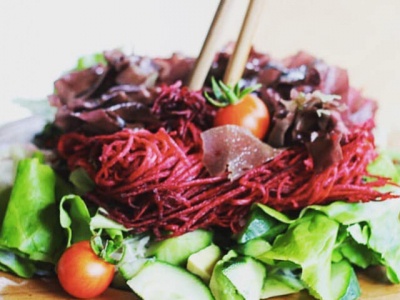
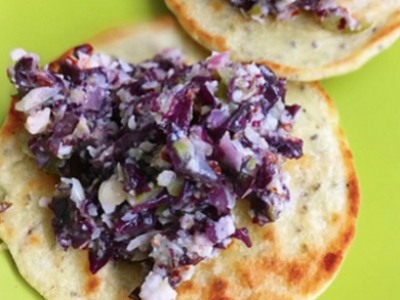
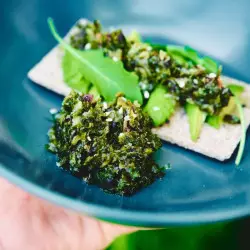
Particularly magical on mashed avocado, sliced tomato, cucumber sticks, or grated kohlrabi. A teaspoon for two servings is enough. For a complete version, try our recipe for seaweed tartare with three types of seaweed, which you can enhance with your celery-dulse mix.
3. In soups and broths
Completely replace the salt. Reference dose: 1 teaspoon for 4 servings of soup. Add at the end of cooking, with the heat turned off. You'll see, even the children ask for more — as testified by Catherine, a Biovie customer: "I use dulse daily to replace salt in my soups and salads. Even the children ask for more. The umami taste changes everything."
4. On eggs, fresh cheeses, and tofu
Bland preparations like soft-boiled eggs, cottage cheese, silken tofu, or ricotta gain an extra flavor dimension with a simple sprinkle of celery-dulse mix.
5. In marinades and dressings
Mix 1 teaspoon of your condiment into a dressing of olive oil + lemon juice + mustard. The marine depth brought by the dulse transforms a classic dressing into a chef's sauce. Ideal on endive, chicory, lamb's lettuce, or arugula salads.
Precautions: iodine, thyroid, pregnancy, and antihypertensives
Seaweeds are powerful foods, and dulse is no exception. Even in a diluted condiment, a few usage rules apply.
Iodine. Seaweed is the richest food source of iodine. The recommended daily intake for adults is 150 µg/day, and the upper safety limit set by the EFSA is 600 µg/day. To stay within a comfort zone, consume at most 3 to 5 g of mixture per day, which corresponds to an iodine intake between 30 and 100 µg — well below the safety threshold.
Pregnancy and breastfeeding. ANSES recommends moderate consumption of seaweed during pregnancy due to the risk of excess iodine (which can lead to fetal hyperthyroidism). When in doubt, seek advice from your midwife or doctor before incorporating this condiment into your daily routine.
Thyroid pathologies. If you suffer from Hashimoto's thyroiditis, Graves' disease, or if you are undergoing thyroid treatment (Levothyrox), prior medical advice is essential. Our dedicated article Seaweed, iodine, and thyroid: solid scientific evidence provides an overview of what the research says.
Antihypertensive treatment. The vasodilatory effect of celery combined with the reduction in sodium can potentiate certain antihypertensive medications. If you are being treated, inform your doctor before permanently replacing salt with the mixture.
Allergies. Rare but documented, allergic reactions to algae proteins do exist. If you are allergic to seafood, exercise caution and test a small amount before any regular use.
FAQ — All About Celery-Dulse Seasoning
What does dulse seaweed taste like ?
Dulse seaweed develops an umami flavor profile, slightly smoky and nutty, with moderately salty marine notes. When dry-toasted, it even resembles "vegetarian bacon." It pairs particularly well with celery, avocado, tomato, and eggs. It is one of the most flavorful and accessible edible seaweeds for a Western palate.
How to replace salt in your cooking ?
Several alternatives allow for reducing salt without losing flavor. The five most effective are: homemade celery-dulse mix (natural umami and low in sodium), sesame gomasio, fresh herbs (parsley, basil, chives), strong spices (cumin, turmeric, smoked paprika), and lemon juice or vinegar to enhance flavors. The WHO recommends not exceeding 5 g of salt per day for adults.
How to make your own homemade spice blend ?
For a basic celery-dulse mix, you need 80 g of organic celery seeds, 30 g of dried dulse flakes, and optionally 10 g of grey Guérande salt. Blend everything in short bursts to achieve a granular texture similar to gomasio, transfer to an airtight glass jar, and store away from light. Shelf life: 3 months at room temperature, 6 months in the refrigerator.
Can dulse be consumed during pregnancy ?
ANSES recommends moderate consumption of seaweed during pregnancy due to the risk of excess iodine, which can lead to fetal hyperthyroidism. In the context of a mixture like celery-dulse seasoning, consuming 1 to 2 g per day remains within a safe zone, but it is advisable to seek the advice of your midwife or doctor before regular use.
How much celery-dulse mix can I consume per day ?
In a healthy adult, a consumption of 3 to 5 g per day (approximately one teaspoon) is ideal. This provides between 30 and 100 µg of iodine, well below the safety limit set at 600 µg/day by the EFSA. Individuals undergoing thyroid treatment should seek medical advice before any regular use.
Can the celery-dulse mixture be cooked ?
The mixture withstands moderate heat but gains in flavor when added at the end of cooking. Intense and prolonged heat degrades the volatile aromatic compounds of celery (apiol, limonene) and the polyphenols of dulse. To preserve the full range of flavors, sprinkle the seasoning on the plate, after removing from the oven or pan, or once the heat is off in soups and broths.
Update: April 2026. Article approved by Éric Viard, founder of Biovie and engineer ISTOM, co-author of " Seaweed in everyday life "(Gallimard, 2024) —" Best cookbook in the world, Gourmand Cookbook Awards 2025, and Best cookbook in France, National Academy of Cuisine 2025.
Warning: The information presented in this article is provided for informational purposes only and does not constitute medical advice. Consult a qualified healthcare professional before making any significant changes to your diet or supplementation. As part of a varied and balanced diet and a healthy lifestyle.
Find all our organic ingredients for raw food on https://www.biovie.fr/en/