



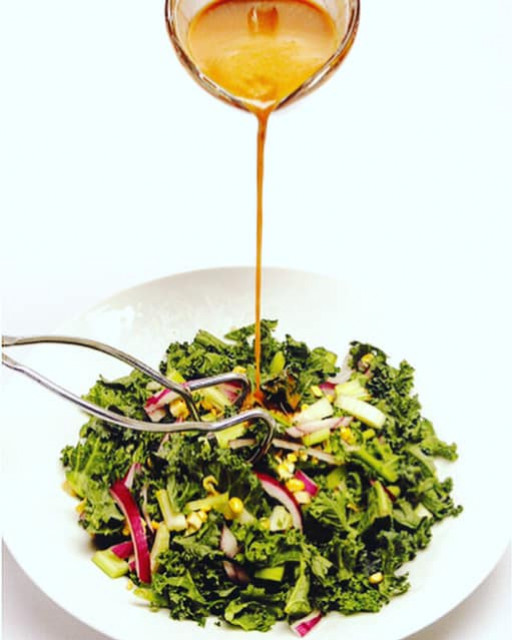

There is a crudités sauce that I have been preparing for nearly twenty years, every time a guest discovers for the first time theliving food at our table. Its uniqueness? It transforms a plate of raw crudités into a dish that seems "almost cooked": after 30 minutes of marinating, the zucchinis, mushrooms, and cauliflower soften, become flavorful, and the experience becomes astonishing. This vinaigrette is not a homemade invention. It comes directly from the Hippocrates Health Institute in Florida, a pioneering institution that has trained several generations of raw food enthusiasts. It's called the "Hippocrates sauce" - and it can be prepared in just 5 minutes with 7 ingredients that you probably already have in your pantry.
What is Hippocrates sauce? An iconic recipe of raw food cuisine
The Hippocrate sauce has nothing to do with the Greek philosopher nor with the medieval hypocras (that spiced mulled wine that regularly appears at Christmas markets). It derives its name from theHippocrates Health Institute, an American center dedicated to healing through theliving food, founded in Boston in 1956 by Ann Wigmore and Viktoras Kulvinskas, then moved in 1987 to West Palm Beach, Florida, where it still operates (hippocratesinst.org).
During their stays, the institute's guests learn to cultivate their sprouted seeds, to prepare their wheatgrass juices and to create 100% raw sauces that add flavor to their crudités. Among these sauces, one recipe has achieved iconic status over the decades - the one we present to you today. Ann Wigmore recorded it in The Hippocrates Diet and Health Program (Avery, 1984), and Viktoras Kulvinskas popularized it in Survival Into the 21st Century from 1975. To better understand their contribution to the crusine movement, discover our dedicated article on Ann Wigmore, pioneer of living foods and our portrait of Norman Walker, father of living juice.
The 7 authentic ingredients of the original Hippocrates sauce
The original recipe is based on seven simple and accessible ingredients, but their quality makes all the difference. Here is their complete list, along with their taste and nutritional function:
- Extra virgin olive oil - fatty base, flavor vector, source of monounsaturated fatty acids (about 73 g/100 g, according to The Ciqual Table ANSESPrefer a first cold-pressed oil with an intense fruity taste.
- Fresh garlic raw, de-germed - provides allicin, a sulfur compound released only by crushing rawBayan et al., Avicenna J Phytomed, 2014).
- Fresh lemon juice - source of vitamin C (≈ 43 mg/100 g, Ciqual) and polyphenols, replaces vinegar for a more digestible acidity.
- Ground mustard seeds - precursors of isothiocyanates (sinigrin), bioactive compounds of the Brassicaceae family. See our detailed article on the Mustard seed, benefits and recipes.
- Tamari (or shoyu) - long-fermented soy sauce without wheat, milder than industrial soy sauce. Provides natural umami but be cautious of its sodium content (≈ 1,000 mg per 10 ml).
- Cayenne pepper - source of capsaicin, warms the mouth and stimulates emulsification. Use sparingly.
- Still spring water - a few spoons are enough to thin the emulsion and adjust the consistency according to its use (sauce or marinade).
All these ingredients are raw, alive, and perfectly compatible with a living food approach beginner.
Step-by-step recipe: the vibrant raw vegetable sauce in 5 minutes
Ingredients for 1 bowl (serving 4 to 6 people)
- 1 cup (240 ml) of extra virgin olive oil
- 2 cloves of fresh garlic, germ removed
- 2 tablespoons of fresh lemon juice (approx. 30 ml)
- 2 teaspoons of ground mustard seeds
- 2.5 tablespoons of tamari or shoyu
- 1/4 teaspoon of cayenne pepper powder
- A few tablespoons of still spring water for the emulsion
Preparation in 4 steps (5 minutes)
- Crush the garlic : Peel, remove the germ, then crush the cloves with a garlic press or chop them finely. Crushing activates alliinase, the enzyme that releases allicin - this is the crucial step not to skip.
- Mold the mustard : If you start with whole seeds, grind them just before use with a small spice grinder or a mortar. This step releases the sinigrin and the pungent isothiocyanates.
- Emulsify : In a bowl, pour the olive oil, lemon juice, tamari, ground mustard, crushed garlic, and cayenne pepper. Whisk vigorously with a small whisk (or blend briefly in a mini blender) to achieve a smooth emulsion.
- Adjust the texture : add 2 to 4 tablespoons of spring water depending on the use. Less water for a thick dip-like sauce, more water for a fluid dressing or marinade.
Yield : approximately 300 ml, for 4 to 6 people in sauce or marinade. Material : a mixing bowl, a whisk (or a small blender). Active time : 5 minutes.
The dual function: sauce OR marinade that "cooks" raw vegetables
This is where the recipe takes on its full dimension. Viktoras Kulvinskas, in Survival Into the 21st Century, explains how the hosts of the Hippocrates Health Institute used this preparation as raw marinade to "tenderize" the vegetables. The principle is simple: the salt from the tamari, the acid from the lemon, and the enzymes released by the raw garlic work in osmosis on the cell walls of the raw crudités, which lose their water, soften, and absorb flavors.
The result is spectacular. After 30 minutes to a night of marinating in the refrigerator, zucchini ribbons, sliced button mushrooms, cauliflower florets, or raw beet slices acquire a texture reminiscent of gentle cooking - without ever touching the heat. It is precisely this magic that has made the Hippocrate sauce one of the pillars of modern cuisine.
"I have known this company for 20 years, a pioneer in living food (healthy, organic, and raw, young shoots and sprouted seeds). Fresh seaweeds like sea lettuce or dulse are delicious in tartare: desalinate them, cut them finely, add nuts, garlic, and lemon, and marinate in olive oil. Delicious and rich in protein. I highly recommend it, especially to vegans!" - Catherine (Trustpilot ★★★★★)
6 Variations to Customize Your Fresh Vegetable Sauce
The original recipe is perfect as it is, but it lends itself well to creativity. Here are six variations that we prepare at home depending on the seasons and guests:
- Fresh herb version : add a handful of finely chopped chives, flat-leaf parsley, or fresh basil just before serving. Ideal in crudités dip sauce in summer.
- Asian version with ginger and sesame : replace the mustard with 1 tsp of freshly grated ginger and add 1 tsp of toasted sesame oil (or a drizzle of raw sesame oil) and a pinch of black sesame seeds. Pairs wonderfully with raw vegetables like Chinese cabbage, cucumber, and daikon radish.
- Creamy avocado version : blend half of a ripe avocado with the sauce base. Result: a crudités sauce Creamy that clings to carrot or celery sticks.
- Protein version with almond puree : add 1 tablespoon of white almond butter. Ideal for turning the sauce into a more filling meal, especially with sprouted seeds and a bowl of raw vegetables.
- Light version without oil : replace the olive oil with 2 tablespoons of tahini diluted in 4 tablespoons of water. The sauce remains creamy, but its fat content is halved - a light vegetable dip without oil Perfect for summer bowls.
- Child version : completely remove the cayenne pepper, reduce the tamari by half, add 1 teaspoon of maple syrup or mild honey to soften the profile. The children dip their sticks without hesitation.
Want to delve deeper into the umami-fermented category? Also try our recipe forgarlic fermented in honey as a partial substitute for raw garlic.
What raw vegetables to serve with Hippocrates sauce? 12 seasonal vegetables
The beauty of this dip for raw vegetables is its versatility: it enhances almost all seasonal raw vegetables. Here are our 12 favorites, ranked according to their compatibility in dip sauce or in marinade :
- Zucchini tagliatelle (marinate 30 min - al dente pasta texture)
- Sliced button mushrooms (marinate for 1 hour - impressive "cooked" effect)
- Cauliflower in mini florets (marinate for 30 minutes to 1 hour)
- Raw beet slices (marinate for 1 hour to overnight)
- Carrots in ribbons or sticks (in dip)
- Black radish or pink radish (as a dip or marinade for 20 min)
- Cucumber slices (in dip, very short marinade 10 min otherwise it releases too much water)
- Finely sliced fennel (marinate for 30 minutes - anise pairs superbly with tamari)
- Celery sticks (in dip)
- Kohlrabi in slices (marinate 30 min)
- Multicolored bell peppers in strips (in dip)
- Endives in leaves (in natural dip, the bitterness balances the umami of the tamari)
Feel free to complete your trays with a handful of sprouted seeds (lentils, alfalfa, broccoli, sunflower), which provide live proteins, fiber, and crunch. To fully understand this family of foods, read our guide on the benefits of raw foods and crudités.
The 5 nutritional benefits of Hippocrates sauce
Each ingredient in the recipe contains bioactive compounds documented by scientific literature. Here are the five nutritional benefits that make this sauce much more than just a simple dressing - within the context, of course, of a varied and balanced diet.
- 1. Monounsaturated fatty acids of extra virgin olive oil - Virgin olive oil provides approximately 73 g of monounsaturated fats per 100 g (primarily oleic acid), according to the Ciqual Table by ANSES. The study PREDIMED published in the New England Journal of Medicine (Estruch et al., 2018) showed that a Mediterranean diet enriched with virgin olive oil contributes to cardiovascular health.
- 2. Allicin from fresh raw garlic - Crushing garlic releases allicin, a sulfur compound with antimicrobial properties documented by Bayan et al. (Avicenna Journal of Phytomedicine, 2014). Cooking quickly degrades this compound: consuming it raw is therefore the most effective way to benefit from its potential.
- 3. Vitamin C and polyphenols from fresh lemon - Lemon juice provides approximately 43 mg of vitamin C per 100 g (Ciqual 2020), contributing to the normal functioning of the immune system and the protection of cells against oxidative stress (claims authorized by regulation EC 1924/2006).
- 4. Isothiocyanates from mustard seeds - Crushed mustard seeds release sinigrin, which is transformed into allyl isothiocyanate, a sulfur compound studied for its antioxidant properties by ANSES in its reports on Brassicaceae.
- 5. Capsaicin from Cayenne pepper - Cayenne pepper contains capsaicin, an alkaloid whose thermogenic properties are documented in the scientific literature.Zheng et al., Progress in Drug Research, 2017). Consume in moderation.
This list does not constitute a therapeutic promise: it summarizes documented nutritional compounds to be integrated into a varied and balanced diet associated with a healthy lifestyle.
Precautions and contraindications to know
⚠️ Even though it is made with natural ingredients, this sauce requires some precautions depending on your health profile:
- High sodium content of tamari : approximately 1,000 mg of sodium per 10 ml. People on a low-sodium diet or suffering from high blood pressure should limit their consumption and prioritize Coconut aminos (fermented sauce made from coconut sap) as a milder alternative.
- Declarable allergens : Tamari contains soy (a declarable allergen according to EU regulation 1169/2011, annex II). Mustard seeds are also listed as an allergen. Avoid in case of known allergy.
- Cayenne pepper : contraindicated in cases of gastric ulcer, severe gastroesophageal reflux, or irritable bowel syndrome in the acute phase. Start with half of the recommended dose and increase according to your tolerance.
- Raw garlic and anticoagulant treatments : Raw garlic can potentiate the effect of anticoagulants like warfarin. Consult your doctor if you are undergoing such treatment.
- Quality of olive oil : to benefit from polyphenols, choose an extra virgin olive oil from the first cold pressing, stored away from light and heat, and used only raw.
Conservation and yield of Hippocrates sauce
Pour the sauce into an airtight glass jar and store it in the refrigerator. It keeps 5 days without alteration of flavor. Do not freeze : freezing would break the emulsion and irreversibly alter the texture. Before each use, vigorously shake the jar to re-emulsify the ingredients that naturally tend to separate. For a weekly preparation, simply double the quantities: you will have enough to enhance salads, Buddha bowls, marinades, and dips throughout the week.
Frequently Asked Questions about Hippocrates Sauce
What exactly is Hippocrates sauce ?
Hippocrates sauce is a 100% raw, living dressing that is emblematic of the Hippocrates Health Institute, an American living food center founded in 1956 by Ann Wigmore. It combines virgin olive oil, raw garlic, fresh lemon juice, ground mustard, tamari, and cayenne pepper. It serves both as a sauce and a marinade that softens raw vegetables.
Can tamari be replaced with regular soy sauce ?
Yes, technically. But tamari is preferable because it is fermented longer, without wheat (therefore gluten-free), and contains fewer additives. For a 100% soy-free version, you can use coconut aminos, a fermented sauce made from coconut sap with a mild and slightly sweet taste.
How long can Hippocrates sauce be stored ?
Stored in an airtight glass jar in the refrigerator, Hippocrates sauce keeps for 5 days. Do not freeze as the emulsion would break. It is recommended to shake the jar before each use to re-emulsify the ingredients.
Is Hippocrates sauce suitable for children ?
Yes, provided that the cayenne pepper is removed and the amount of tamari is halved, as its sodium content is high. For the younger ones, adding a hint of maple syrup softens the profile while maintaining the characteristic emulsion.
Can the Hippocrates sauce be used as a marinade for cooking ?
In the philosophy of raw food, this sauce is designed exclusively for raw use. Heating virgin olive oil and raw garlic degrades the beneficial polyphenols and sulfur compounds. Therefore, it should be used as a sauce or cold marinade (30 minutes to overnight) to preserve its nutritional benefits.
What is the difference between Hippocrates sauce and a classic vinaigrette ?
A classic vinaigrette is based on oil + vinegar + mustard. The Hippocrates sauce replaces the vinegar with fresh lemon juice and adds tamari, raw garlic, and cayenne pepper, creating a much more umami, complex, and stimulating profile, better suited for raw vegetables as well as marinating raw vegetables.
Is there a soy-free version of Hippocrates sauce ?
Yes. Replace tamari with coconut aminos (fermented coconut sap, soy-free and gluten-free, with a milder taste). The proportions remain the same. This version is ideal for people allergic to soy or those wishing to limit phytoestrogens.
References
- Estruch R. et al. (2018). Prévention primaire des maladies cardiovasculaires avec un régime méditerranéen enrichi en huile d'olive extra-vierge ou en noix. . New England Journal of Medicine, 378:e34. PREDIMED study.
- Ail frais cru, dégermé - apport d'allicine, composé sulfuré libéré uniquement par l'écrasement à cru (Bayan et al., Avicenna J Phytomed, 2014).
- 5. Capsaïcine du piment de Cayenne - Le piment de Cayenne contient de la capsaïcine, un alcaloïde dont les propriétés thermogéniques sont documentées dans la littérature scientifique (Zheng et al., Progress in Drug Research, 2017). À consommer avec modération.
- ANSES. Ciqual 2020 Nutritional Composition Table of Foods. National Agency for Food, Environmental and Occupational Health Safety.
- Hippocrates Health Institute - hippocratesinst.org. Institution founded in 1956 by Ann Wigmore, a historical reference in living foods (West Palm Beach, Florida).
- Wigmore A. (1984). The Hippocrates Diet and Health Program. Avery Publishing Group.
- Kulvinskas V. (1975). Survival Into the 21st Century. Omangod Press.
To further explore raw cuisine and discover 170 raw recipes tested by families, check out our eBook. Living Cuisine.
Update: September 2026. Article approved by Éric Viard, founder of Biovie and engineer ISTOM, co-author of " Seaweed in everyday life "(Gallimard, 2024) -" Best cookbook in the world, Gourmand Cookbook Awards 2025, and Best cookbook in France, National Academy of Cuisine 2025.
Warning: The information presented in this article is provided for informational purposes only and does not constitute medical advice. Consult a qualified healthcare professional before making any significant changes to your diet or supplementation. As part of a varied and balanced diet and a healthy lifestyle.
Find all our organic ingredients for raw food on https://www.biovie.fr/en/