The benefits of hemp oil: a treasure for health and beauty
Among edible vegetable oils, hemp oil is among the richest in omega-3 fatty acids and offers an omega-6/omega-3 ratio considered ideal. Unknown just ten years ago, it is now established as a valuable ally in living nutrition, both in cooking and cosmetics. At Biovie, we have chosen an organic hemp oil from a Breton artisanal oil mill, cold-pressed and simply filtered to preserve the integrity of its nutrients.
In this 2026 guide, you will discover the nutritional composition of hemp oil, its six major documented health benefits, the proper way to use it daily, and the precautions to observe.
What is hemp oil ?
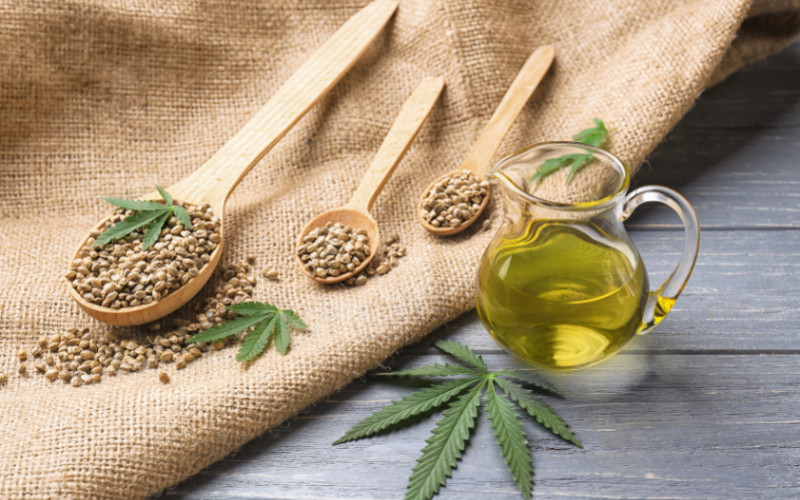
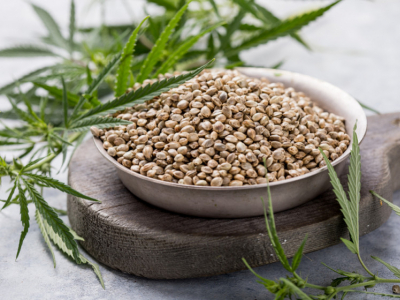
Hemp oil is obtained by cold pressing of hemp seeds (Cannabis sativa L., industrial variety). These seeds, also known as hemp seeds, are completely hulled before extraction. The resulting oil is a deep green, with a slightly herbaceous nutty flavor.
It is important to distinguish it from two other products often confused with it:
CBD oil, which is an extract from the flower and leaves, intended for wellness use and subject to specific legislation.
Hemp essential oil, obtained by distillation, reserved for aromatic use.
Hemp oil sold in health food stores does not contain no THC (the psychoactive molecule). It is perfectly legal and has no effect on consciousness.
To learn more about the raw material, check out our article on the hulled hemp seeds.
Nutritional composition: an exceptional omega-3 profile
The most balanced omega-6 / omega-3 ratio among common oils
What distinguishes hemp oil from other vegetable oils is its omega-6/omega-3 ratio close to 3:1, considered one of the most favorable for human nutritional balance. By comparison, sunflower oil has a ratio of around 120:1.
For 100 g of hemp oil, one finds approximately:
Linoleic acid (omega-6): 55 to 57 g
Alpha-linolenic acid (ALA, omega-3): 14 to 18 g
Gamma-linolenic acid (GLA, rare omega-6): 2 to 4 g
Stearidonic acid (SDA, rare omega-3): 0.5 to 2 g
These values are derived from the seminal work of Callaway (2004) and summarized in the journal. Cerino et al., 2021 (PMC).
Vitamin E, phytosterols, and chlorophyll
In addition to its fatty acids, hemp oil provides:
Of the natural vitamin E (tocopherols and tocotrienols), about 15 mg per 100 g - an excellent antioxidant protection for the oil itself.
Of the phytosterols (about 500 mg/100 g), which contribute to lipid balance.
Of the chlorophyll, responsible for the characteristic green color and carrying its own benefits.
For an overview of the plant-based omega-3, you can explore the question further in our dedicated guide.
The 6 health benefits of hemp oil
Support for cardiovascular balance
Intake of ALA (plant-based omega-3) helps maintain normal cholesterol levels in the blood. A review published in 2025 reviews the effects of hemp oil on several cardiovascular risk factors. As always, these benefits are part of a varied diet, not an isolated food.
An ally for the skin and barrier functions
The reference study of Callaway et al. (2005), published in the Journal of Dermatological Treatment, observed in patients with atopic dermatitis an improvement in skin dryness and itching after 20 weeks of daily consumption of hemp oil. Thegamma-linolenic acid (GLA) plays a key role in the flexibility of the skin barrier.
A documented anti-inflammatory potential
The review by Cerino et al. (2021) synthesizes data suggesting a modulatory action of hemp oil on low-grade inflammation, through the favorable omega-6/omega-3 ratio and the presence of GLA.
Emotional balance and functioning of the nervous system
Omega-3s contribute to the normal functioning of the brain. However, according to theANSES (2016), The ALA intake of the French population remains insufficient. Regularly incorporating hemp oil is a simple way to address this deficiency without resorting to animal products.
Support for immunity and healing
The combination of omega-3 + vitamin E + phytosterols creates a synergy that is beneficial for antioxidant defense, serving as a barrier against daily oxidative stress.
Cholesterol and lipid profile modulation
In relation to cardiovascular effects, regular consumption of hemp oil, as part of a balanced diet, contributes to maintaining a favorable lipid profile. Note: no oil can replace medical supervision.
Hemp oil is extremely sensitive to heat. Beyond 40-50 °C, its omega-3s oxidize and lose all nutritional value. Therefore, it should be reserved strictly for raw use., a posteriori cooking if we want to pair it with hot dishes.
3 raw recipe ideas
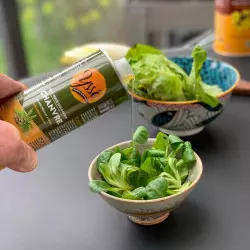
Hemp-lemon vinaigrette : 3 tablespoons of hemp oil, 1 tablespoon of fresh lemon juice, 1 teaspoon of whole grain mustard, salt and pepper. It enhances all winter salads (beetroot, lamb's lettuce, endive).
Fillet on raw soup : on a summer gazpacho or a raw zucchini soup, a few drops as a finishing touch are enough to transform the dish.
The generally recommended daily dose is 1 to 2 tablespoons per day, which is approximately 10 to 20 g. This amount largely covers the ALA needs recommended by ANSES (2 g per day for an adult).
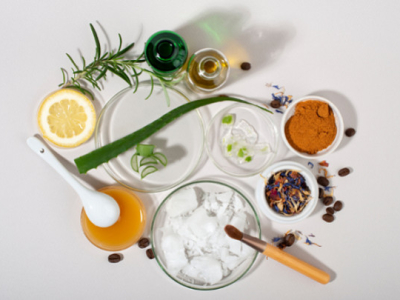
Hemp oil is particularly appreciated by those with combination to acne-prone skin. It penetrates quickly, leaves a non-greasy finish and is considered non-comedogenic. Insider tip: a few drops of isotonic marine plasma or warm water can be used to dilute it for a more comfortable facial massage.
In hair care
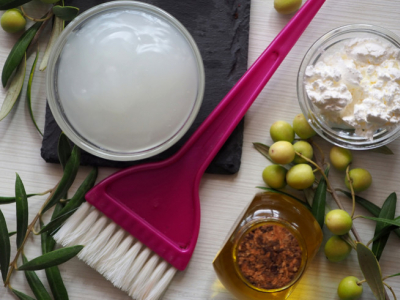
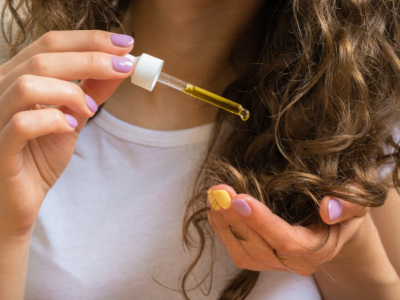
For dry, damaged, or curly hair, a hemp oil treatment on the lengths 30 minutes before shampooing nourishes without weighing it down. Discover our complete guide. hemp oil for hair.
For nails and cuticles
A drop massaged morning and evening on each cuticle strengthens the nail and reduces small cracks.
Precautions and contraindications of hemp oil
Conservation
Hemp oil is fragile. It must be preserved:
In a tinted bottle (light protection),
At the refrigerator after opening,
Consumed in the 3 months following the opening.
Audience with precautions
People under Anticoagulants : a high intake of omega-3 can theoretically interfere with these treatments - seek the advice of a healthcare professional.
Women Pregnant or breastfeeding : no documented contraindication, moderate use recommended.
No contraindication related to THC: certified hemp seed oil contains 0% THC.
How to choose it well ?
To enjoy all the benefits of hemp oil, make sure your oil checks these five boxes:
Cold pressing (extraction temperature below 45 °C).
Simple filtration, no chemical refining.
Tinted bottle (dark glass).
Certification Biography.
Provenance traced, ideally French or European.
Hemp in France: A sector of excellence
France is the leading European producer of hemp, with more than 22,000 hectares cultivated in 2024 (source: InterChanvre). It is a virtuous crop: low in water consumption, pesticide-free, and improves soil structure.
At Biovie, we have chosen a Breton artisanal oil mill to produce our hemp oil. A choice consistent with our demand for quality and traceability. Discover the story of our partnership with the Yssé oil mill.
FAQ - Hemp Oil
What are the benefits of hemp oil ?
Hemp oil provides an excellent omega-6/omega-3 ratio (about 3:1), vitamin E, phytosterols, and GLA. It contributes to cardiovascular balance, supports skin suppleness, helps modulate low-grade inflammation, and partially compensates for the insufficient intake of omega-3 ALA in the French population.
Does hemp oil have any contraindications ?
Hemp seed oil is very well tolerated. People on anticoagulants should seek advice from a healthcare professional, as high doses of omega-3s can theoretically interact with these treatments. There are no contraindications related to THC: certified food-grade oil contains 0% THC.
Is hemp oil good for the face ?
Yes, hemp oil is particularly suitable for combination to acne-prone skin. It absorbs quickly, leaves a non-greasy finish, and is considered non-comedogenic. A few drops massaged onto a cleansed face in the evening are sufficient.
Is hemp oil anti-inflammatory ?
Several scientific journals, including Cerino et al. (2021), suggest that hemp oil contributes to the modulation of low-grade inflammation, thanks to its favorable omega-6/omega-3 ratio and the presence of gamma-linolenic acid (GLA). It does not replace medical treatment.
Where to apply hemp oil on the body ?
Hemp oil can be applied all over the body: face (morning or evening), hair (as an oil bath on the lengths), nails and cuticles (daily massage), and dry areas (elbows, knees). It absorbs quickly and does not leave a greasy film.
Can hemp oil be consumed every day ?
Yes, at a rate of 1 to 2 tablespoons per day (10-20 g), preferably cold in a vinaigrette or as a finishing touch to a dish. This amount covers the daily ALA needs recommended by ANSES. To vary your intake, alternate with other oils rich in omega-3s such as flaxseed oil or rapeseed oil.
The author
"I have been consuming hemp oil for over twenty years. It has become an essential oil in our kitchen, both for its benefits and its subtle nutty flavor."
Updated on April 23, 2026 by Eric, ISTOM, co-founder of Biovie (2007) and vegan for 33 years.
This article is intended for informational purposes. It does not replace medical advice. In case of a condition or ongoing treatment, seek advice from a healthcare professional.