In a world increasingly mindful of the environment and of health, more and more people are turning to natural solutions. Homemade toothpaste stands out as an appealing alternative to industrial products, which are often loaded with chemical substances. Making your own toothpaste can genuinely benefit both your oral health and the planet. In this article we walk through easy recipes for making a natural toothpaste: the benefits of common ingredients, simple step-by-step recipes, and what dental professionals think of the practice. Get ready to discover how to look after your smile the natural way.
The benefits of homemade toothpaste
Homemade toothpaste offers a number of advantages that keep winning over people drawn to natural care:
It avoids the chemicals often found in industrial toothpastes, such as triclosan and parabens. These substances, common in conventional toothpaste, can be harmful to health over the long term.
It avoids endocrine disruptors and nanoparticles.
It suits sensitive teeth thanks to gentle ingredients such as clay or calcium carbonate.
It lets you tailor the ingredients to specific needs (anti-tartar, whitening, fresh breath).
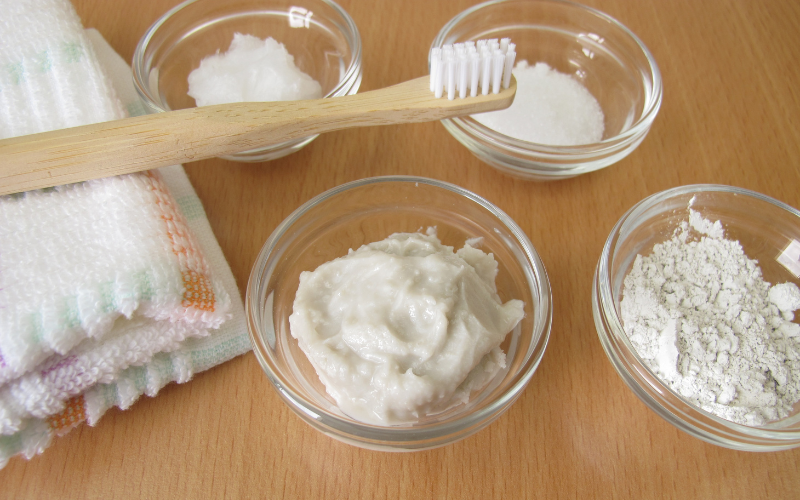
Making your own toothpaste means you can personalise the ingredients, for instance using white clay or green clay, both of which have soothing properties for sensitive gums. Baking soda is also prized for its whitening effect.
Essential oils, such as spearmint, can be added to fight bad breath and give a feeling of freshness. That said, it's best to avoid certain essential oils during pregnancy.
Choosing homemade toothpaste helps cut down on plastic tube use, supporting a more eco-friendly approach in your bathroom.
Common ingredients for toothpaste
Making your own homemade toothpaste lets you choose natural, healthy ingredients that can bring a range of benefits, from protecting the gums to whitening teeth. Let's look at some of the ingredients commonly used in homemade toothpaste.
Activated charcoal
Activated charcoal is known for its absorbent properties. It can help remove impurities and whiten teeth naturally. It should, however, be used in moderation, since overuse can wear down tooth enamel.
Baking soda
Baking soda is a key ingredient thanks to its mildly abrasive effect, which helps remove plaque and whiten teeth. Because it's so effective, it's usually added in small amounts in homemade toothpaste recipes.
Coconut oil
Coconut oil is valued for its antibacterial and moisturising qualities. Used in homemade toothpaste, it supports better oral health by reducing harmful bacteria while keeping the gums well nourished.
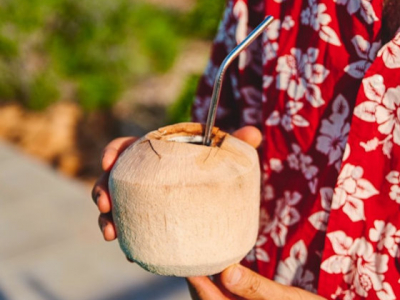
If you'd rather work from fresh coconut than from an oil off the shelf, you'll find certified organic fresh coconuts in our shop.
White kaolinite clay
White kaolinite clay is often chosen for its soothing, remineralising properties. It helps protect sensitive gums and strengthen tooth enamel. Adding this ingredient makes the toothpaste gentler on the teeth.
Marseille soap, while less conventional, is sometimes used for its cleansing properties. It should be used with care, though, to avoid disturbing the oral flora. Including it in a homemade toothpaste recipe is generally optional and should be tested according to individual tolerance.
In short, personalising your homemade toothpaste with these ingredients can turn your brushing routine into something genuinely good for your oral health, while also supporting an eco-conscious way of living.
3 easy recipes for making your own natural toothpaste
Simple charcoal toothpaste recipe
Toothpaste made with activated charcoal is a popular option for anyone looking to whiten their teeth naturally. Here's a simple recipe for making your own charcoal toothpaste.
Preparation instructions
Mix the powders: in a bowl, mix the white clay, activated charcoal and baking soda until you get a smooth, even powder.
Add the oils: add melted coconut oil to the dry mixture. Stir until you get a smooth paste.
Add the essential oils: mix in the drops of spearmint essential oil, which will help fight bad breath and give a feeling of freshness.
Adjust the texture: if the paste is too thick, add water a little at a time until you reach the consistency you want.
Storage: pour your homemade toothpaste into a reusable plastic tube or a small airtight jar.
Keeping the product
Shelf life: this homemade toothpaste generally keeps for 2 to 3 weeks. That's why it's best to prepare it in small batches.
Storage: keep it somewhere cool and dry, ideally outside the bathroom, to minimise exposure to humidity.
Use: always use a clean spatula or spoon to scoop out the toothpaste, to keep it clean and avoid contamination.
Following these steps gives you a natural homemade toothpaste, free of the endocrine disruptors often found in industrial toothpaste. It's an excellent option for anyone who wants to look after their teeth while respecting the environment.
Baking soda toothpaste recipe
Baking soda is a key ingredient in many homemade toothpaste recipes thanks to its cleansing and whitening properties.
Ingredients needed:
2 tbsp of baking soda
1 tbsp of white clay
10 drops of spearmint essential oil
1/2 tsp of fine sea salt
1 tbsp of coconut oil
A few drops of water to adjust the texture
Preparation steps:
Mix the dry ingredients: in a bowl, combine the baking soda, clay and salt.
Add the coconut oil: mix in the coconut oil until you get a smooth paste.
Essential oil: add the spearmint essential oil. Mix well.
Adjust the texture: if needed, add a few drops of water to reach the consistency you want.
Storage: keep the toothpaste in an airtight jar, away from light.
This recipe is ideal for anyone looking for a natural alternative to industrial toothpaste, and it suits even sensitive gums.
Natural toothpaste recipe
Finely mix with the help of a mini whisk, fork or spatula:
1 tbsp of calcium carbonate
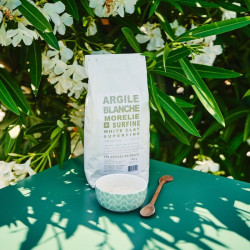
2 tbsp of white kaolinite clay
(e.g. Morélie clay)
add:
1 pinch of food-grade baking soda
1 pinch of sea salt
2 tbsp of vegetable glycerin
5 drops of essential oils of your choice (peppermint, sweet bay, eucalyptus, lemon…)
a bit of coconut oil to give the consistency of a paste if wanted
With the help of a small pestle, mix everything carefully, then transfer the mixture into a clean, sterilised jar.
This toothpaste keeps for up to 10 months in a dry place.
Don't forget to save the recipe so you can come back to it!
Beyond toothpaste: a daily mouth care routine
Toothpaste is only part of the job. What we see working, both for us and for the people who write to us, is rotating between a few simple gestures rather than relying on a single product used year-round. The oral mucosa adapts quickly, and alternating also avoids wearing down enamel with an abrasive ingredient used without a break.
Oil pulling with coconut oil
The principle is ancient: a teaspoon of coconut oil held in the mouth on an empty stomach, swished between the teeth for five to ten minutes, then spat out - never swallowed, and never down the sink, where it solidifies. This is the gentlest gesture on the list, usable every day without limit, and the one that people with sensitive gums tolerate best.
Clay mouth rinses
A teaspoon of clay mixed into half a glass of water, left to settle for a few hours, then used as a rinse morning and evening. Clay soothes and cleanses without foaming or stripping. It can also be used directly for brushing, by dipping a damp brush into the powder. Our clays for oral use can be found in our Clays range.
Why alternate rather than insist
A rotation over several weeks gives better results than a single ingredient: two weeks of clay, two weeks of baking soda - no more, since it's abrasive -, then two weeks of oil pulling, and the cycle starts again. Everyone finds the duration that suits them; what matters is not settling long-term into an aggressive gesture.
Two supplements that come up often: raw propolis to chew, and xylitol, a sugar alcohol that plaque bacteria cannot metabolise. Neither one replaces brushing.
When this isn't enough
Let's be clear about the limits: gums that recede, bleed or swell recurrently are a matter for a dental surgeon, not a home protocol. No essential oil treats an established infection, and delaying a visit makes things worse. The routine described here is groundwork maintenance - useful for prevention, as a complement to follow-up care, never as a substitute for it.
Precautions to take
Creating your own organic, homemade toothpaste can be an excellent alternative to industrial toothpaste. Some essential precautions should nonetheless be followed to protect your safety and the health of your mouth. Here are a few key points:
Choice of ingredients: use safe, good-quality ingredients, and avoid anything potentially irritating for sensitive gums.
Amount of essential oil: keep essential oil drops to a low concentration, and always check oil compatibility during pregnancy.
Hygiene: make sure all utensils and containers used, such as reusable toothpaste tubes, are clean to avoid bacterial contamination.
Potential side effects: watch for signs of irritation or allergic reaction, and consult a professional if needed.
See your dentist: visit your dentist regularly to check for cavities or other issues.
Checklist:
Suitable ingredients
Accurate dosing
Correct use
Proper storage
Following these precautions lets you enjoy the benefits of your own toothpaste while protecting the health of your oral flora.
Dentists' views on homemade toothpaste
Homemade toothpaste is gaining popularity, but dentists remain divided on it. Most dentists acknowledge that, while some homemade toothpaste recipes can be free of endocrine disruptors and potentially harmful chemicals, they may also lack certain elements essential to oral health. It's important to keep an eye on how effective homemade toothpaste actually is at preventing cavities and maintaining a healthy oral flora. Dentists often recommend continuing to use fluoride toothpaste, even in rotation with natural options, to ensure complete protection.
Why fluoride matters for dental health
Fluoride is a key mineral in preventing tooth decay. It helps strengthen tooth enamel, making it more resistant to the acid attacks caused by bacteria in dental plaque. Industrial toothpastes generally contain fluoride for this reason, but it's often missing from homemade recipes. Dentists stress the importance of this mineral, especially in areas where the drinking water isn't fluoridated. Anyone using homemade toothpaste should weigh the potential cavity risk that comes from having no fluoride in their toothpaste.
Potential risks of homemade preparations
Homemade toothpaste, however appealing for being natural, does carry certain risks. Among them, not controlling the pH and texture of the mixture can lead to excessive enamel abrasion. On top of that, misuse or overdosing on ingredients such as baking soda or essential oils could irritate sensitive gums.
List of potential risks
Lack of fluoride: increases the risk of cavities.
Abrasive ingredients: risk of enamel erosion.
Essential oil concentration: potential irritation of the mucous membranes.
Hygiene and storage: risk of bacterial contamination without proper storage.
It's essential to take a balanced approach, using homemade toothpaste in rotation with fluoride products, while keeping a close eye on any signs of dental wear.
Eco-friendly alternatives to traditional toothpaste
In a world where ecological awareness keeps growing, interest in alternatives to traditional toothpaste keeps growing with it. These solutions help reduce your ecological footprint while also avoiding the endocrine disruptors often found in industrial toothpaste.
Here are a few eco-friendly alternatives:
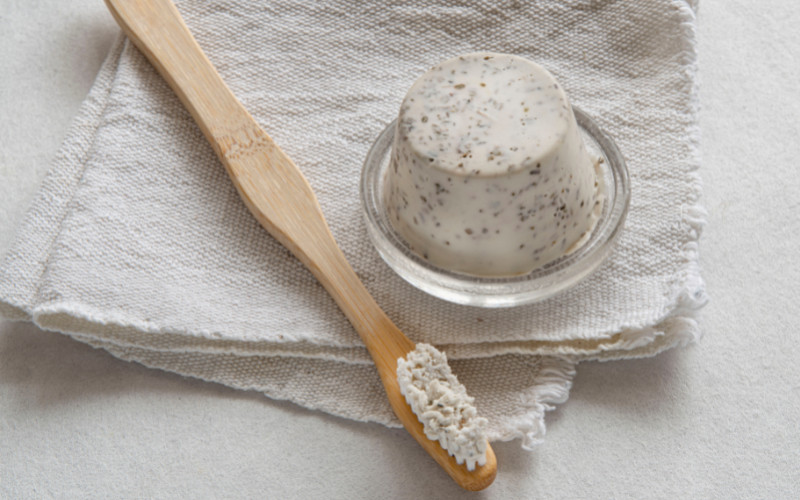
Solid toothpaste: by doing away with plastic tubes, solid toothpaste turns out to be a durable, waste-free option.
White clay: rich in minerals, it purifies the teeth while being gentle on sensitive gums.
Baking soda: effective against dental plaque, it also works on bad breath.
White clay - gentle purification
Baking soda - natural whitening
Activated charcoal - absorbs impurities
Coconut oil - hydration and tooth protection
Combined with good oral hygiene, these options help preserve the oral flora while limiting the impact on the environment.
Conclusion
In conclusion, making your own homemade toothpaste brings real benefits, both for your health and for the environment. Choosing natural ingredients such as white clay, baking soda and essential oils avoids exposure to the endocrine disruptors often found in industrial toothpaste.
That said, it's important to keep the ingredients in balance, so as not to disturb the oral flora or damage the enamel. Extra care is needed with certain essential oils during pregnancy. Finally, keep in mind that how well your toothpaste works will depend on the quality of the ingredients used and how well the recipe suits your own oral health needs.
By adopting these practices, you can look after your oral health while also contributing to a more sustainable way of living.
FAQ about homemade toothpaste
Q: What is homemade toothpaste?
A: Homemade toothpaste is a preparation you make yourself from natural ingredients, with no chemicals or preservatives. It can be made using different recipes, giving you control over exactly what goes into your toothpaste.
Q: What are the benefits of using homemade toothpaste?
A: Homemade toothpaste offers several benefits, including the ability to choose natural, quality ingredients, avoid chemical additives, and cut down on packaging waste. Some recipes can also help remineralise enamel and support gum health.
Q: What ingredients can I use to make my own toothpaste?
A: Commonly used ingredients include white clay, baking soda, coconut oil and essential oils such as peppermint. Each ingredient brings its own properties, such as a purifying or remineralising effect.
Q: Is making homemade toothpaste complicated?
A: No, making homemade toothpaste is generally simple and quick. You just need to mix the ingredients according to the recipe you've chosen, for example in a mortar, and keep the mixture in an airtight jar.
Q: How long does homemade toothpaste keep?
A: As long as it's kept away from moisture and in an airtight container, your homemade toothpaste can be used without a strict time limit. This keeps the ingredients stable and effective.
Q: Is homemade toothpaste as effective as commercial toothpaste?
A: While effectiveness can vary depending on the ingredients and formulation, many people find homemade toothpaste just as effective at maintaining good oral hygiene, provided suitable ingredients are used.
Q: Are there any risks associated with using homemade toothpaste?
A: As with any homemade product, it's essential to make sure the ingredients are good quality and suited to your oral health. It's a good idea to consult a healthcare professional if you have specific concerns or oral conditions.
Q: Is it better to use homemade toothpaste rather than a commercial one?
A: It depends on personal preference. Homemade toothpaste can appeal to those looking for natural, eco-friendly alternatives, while commercial toothpaste can offer specific, clinically tested formulations. It's important to choose what suits you best.
Last update: September 2026. Article written and validated by
Éric Viard,
founder of Biovie since 2007 and ISTOM engineer
ISTOM,
co-author of « Algues au quotidien » (Gallimard, 2024) -
World's Best Cookbook, Gourmand Cookbook Awards 2025, and
Best French Cookbook, Académie Nationale de Cuisine 2025.
Disclaimer: the information in this article is provided for general interest and does not constitute medical advice. Consult a qualified healthcare professional before making any significant change to your diet or supplementation. As part of a varied, balanced diet and a healthy lifestyle.